MIKE BARNICLE HOSTS WAY TOO EARLY THIS MORNING

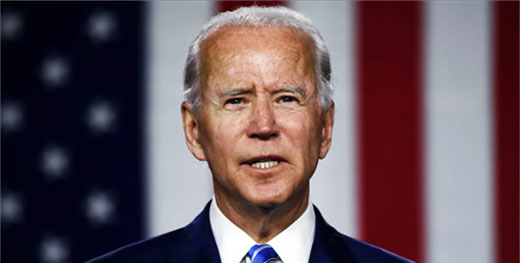
Biden’s age overshadows his accomplishments

“The coverage of the end of the Biden presidency, is really interesting to me. It’s like going to a baseball game and you watch the game, you drive home, and you say, ‘well that was a good game.’ You get home and you realize, ‘boy that was a great game.’ And what’s happened here in the coverage of the end of the Biden presidency is ...
MIKE BARNICLE HOSTS WAY TOO EARLY THIS MORNING

Get your money back for delayed flights?

With the holidays upon us, watch this Morning Joe conversation between veteran columnist Mike Barnicle and Transportation Secretary Pete Buttigieg about consumer protections for delayed and canceled flights. “Commercial air travel in America for the average flying customer—people like me—is a nightmare,” says Barnicle. “What c...
MIKE BARNICLE HOSTS WAY TOO EARLY THIS MORNING

Biden brings prisoners home

Tune in for this Morning Joe segment as veteran columnist Mike Barnicle weighs in on President Joe Biden’s historic prisoner swap with Russia, marking a major diplomatic accomplishment and legacy-defining moment for President Biden less than six months before he leaves the White House. “You had a confident, knowledgeable president of the ...
MIKE BARNICLE HOSTS WAY TOO EARLY THIS MORNING

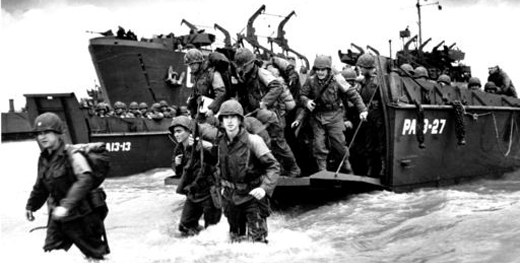
80th anniversary of D-Day

During this Morning Joe segment, Mike Barnicle, who grew up in a Gold Star house on a street where the flag flew every day, remembers his many trips to Normandy on this 80th anniversary of D-Day. And host Mika Brzezinski read from a Boston Globe column Mike wrote in 1994 to honor the fallen soldiers. “These are the heroes who all di...
MIKE BARNICLE HOSTS WAY TOO EARLY THIS MORNING

Each poll is like a sunset

“The interesting thing about polls right now—and it’s the only interesting thing—is that it’s like taking a picture of a sunset, each poll. There’s going to be another sunset tomorrow. Things change. Nobody is paying attention really—other than people like us—to a future election a year away. The interesting aspect of the elec...
MIKE BARNICLE HOSTS WAY TOO EARLY THIS MORNING

Antisemitism is a disease

Watch this Morning Joe conversation with Joe Scarborough, Mika Brzezinski, Mike Barnicle and Commentary editor John Podhoretz about why antisemitism does not erode and is surging on college campuses and around the globe in the wake of the October 7 massacre in Israel. “This disease—and antisemitism is a disease—why does it linger, r...
MIKE BARNICLE HOSTS WAY TOO EARLY THIS MORNING

Happy Birthday, Mike!

Please join with Joe Scarborough, Mika Brzezinski and the Morning Joe family to celebrate the “legendary” Mike Barnicle on this special birthday! Share in the memories and well wishes for “one of the greatest columnists of the twentieth century” on his big day. Responds Mike: “At this stage of my life, if I wake up every day, ...
MIKE BARNICLE HOSTS WAY TOO EARLY THIS MORNING

Sports lessons as life lessons

Tune in for this Morning Joe conversation with author Sally Jenkins about her new book “The Right Call: What Sports Teach Us About Work and Life,” an inspirational and informative look at great athletes who were made not born, who succeed by obsessing over their failures and who practice in the face of resistance—important lessons for us ...
MIKE BARNICLE HOSTS WAY TOO EARLY THIS MORNING

The “gun virus” that cripples America

“Seemingly we cover these things at least once or twice a week in America. You heard the heart ache from survivors of people who were shot and killed in Louisville. We see it all the time. Because of the nature of the news business, it’s so quick and swift, and things happen so rapidly, we move on from one incident to another, from ...
MIKE BARNICLE HOSTS WAY TOO EARLY THIS MORNING

Elementary school children in peril

“If you want to witness one of the cruelest changes in our country over the last, I don’t care, 50 or 100 years, take a morning off, Joe, get in your car and follow a school bus, an elementary school bus, and look at the parents as they watch their kids board the bus because you know some of them, maybe most of them are thinking, ‘o...
MIKE BARNICLE HOSTS WAY TOO EARLY THIS MORNING

Barnicle: There’s a poison in our system as a...

“We live in an age of accelerated pace of events. Something happens, and it’s forgotten two or three days from now. Something horrific could be forgotten in two or three days, and that takes our attention span as a people, as a culture, as a nation, way, way down. People don’t have the attention span that we used to have. So, ...
MIKE BARNICLE HOSTS WAY TOO EARLY THIS MORNING

Barnicle: “Joe Biden’s Grief Is the DNA...

In his latest column for The Daily Beast titled “Joe Biden’s Grief Is the DNA of His Humanity,” Mike shares a couple of personal stories as examples of how Democratic presidential nominee Joe Biden connects with people, especially in times of loss, when the cameras aren’t rolling and reporters aren’t taking n...
MIKE BARNICLE HOSTS WAY TOO EARLY THIS MORNING

Mike Barnicle for The Daily Beast

Check out veteran columnist Mike Barnicle’s latest commentary for The Daily Beast in which he dissects and explains President Donald Trump’s “attempt to scare the country” into voting for him during the 2020 Republican National Convention, which was “built around demonization, defining danger in almost clear racial terms, deny...
MIKE BARNICLE HOSTS WAY TOO EARLY THIS MORNING

Barnicle: “Trump’s Failures Are Erasing the M...

In his latest column for The Daily Beast, “Trump’s Failures Are Erasing the Memory of American Greatness,” veteran columnist and MSNBC Morning Joe contributor Mike Barnicle argues that President Donald Trump’s inability to grasp “loss” has obscured the recollection of a better America and instead has led the country into a dire situation ...
MIKE BARNICLE HOSTS WAY TOO EARLY THIS MORNING

For The Daily Beast: Teachers Belong in Class...

In his latest column for The Daily Beast, Mike Barnicle, son of a teacher, weighs in on the national debate over whether teachers should be allowed to carry firearms in the classroom. “Teachers belong in classrooms, teaching. Not in coffins, another casualty of a political culture and a Congress so lacking in courage and character that it...
MIKE BARNICLE HOSTS WAY TOO EARLY THIS MORNING

For The Daily Beast: President’s Day 2018: &#...

In his latest column for The Daily Beast, Morning Joe regular Mike Barnicle writes about the “increasingly deranged” tweets of President Donald Trump and a country let down by the inaction of the country’s chief executive. “This is the first time across all the dust-covered years of our history, centuries filled with courage and hon...
MIKE BARNICLE HOSTS WAY TOO EARLY THIS MORNING

For The Daily Beast: The Boston Neighborhood ...

“Many have asked and wondered how or why such an exceptional guy like General Kelly would take the task of trying to turn the absurdly incompetent, chaotic Trump presidency into a functioning vehicle. And the answer is simple and obvious: Because he loves this country and does not want to have it fail or falter at the gate of a future fil...
MIKE BARNICLE HOSTS WAY TOO EARLY THIS MORNING

Lincoln residents to be honored at Boston gal...

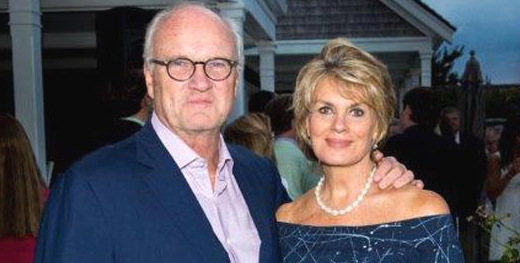
Journalist and MSNBC commentator Mike Barnicle and his wife Anne Finucane, Bank of America Vice Chairman, will be honored by Boston Health Care for the Homeless Program (BHCHP) with its 8th annual Tim Russert Award at the Medicine That Matters Gala on Monday, May 15, at the Renaissance Boston Waterfront Hotel. BHCHP President Jim O’Connel...
MIKE BARNICLE HOSTS WAY TOO EARLY THIS MORNING

For The Daily Beast: A Marine, Gone But Not F...

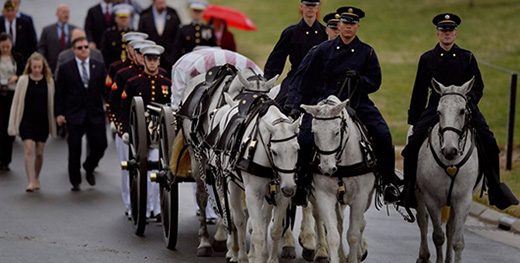
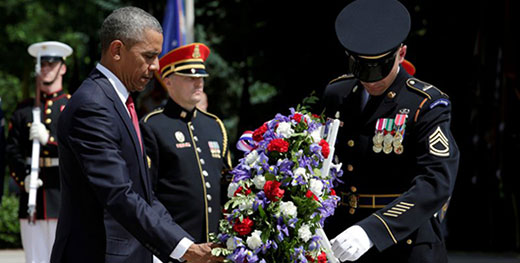
In his latest column for The Daily Beast, veteran journalist Mike Barnicle tells the story of Harry K. Tye, a U.S. Marine finally buried this week at Arlington National Cemetery after he was killed in a war – 74 years ago. “On the night that Pfc. Harry Tye was buried, the President of the United States gathered more than a few Senat...
MIKE BARNICLE HOSTS WAY TOO EARLY THIS MORNING

For The Daily Beast: Jimmy Breslin, the Peopl...

In his latest column for The Daily Beast, Mike Barnicle pays tribute to legendary New York City columnist Jimmy Breslin, who died Friday at the age of 88. “He stood for the vulnerable and used the voice contained in his talent to call out the political people and anyone else who abused or ignored the poor, the disenfranchised, anyon...
MIKE BARNICLE HOSTS WAY TOO EARLY THIS MORNING

How I Got Here

The latest episode of How I Got Here features award-winning journalist and Morning Joe regular Mike Barnicle talking to the show’s creators, his son Tim Barnicle and Harry Hill, sharing stories from his youth in Fitchburg to his days in Washington D.C., his years as a celebrated newspaper columnist for The Boston Globe and much more...
MIKE BARNICLE HOSTS WAY TOO EARLY THIS MORNING

For the Daily Beast: The Dead Patriots and th...

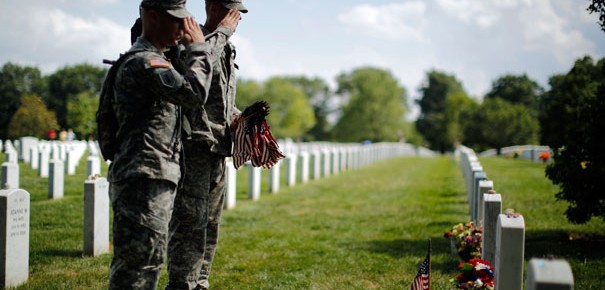
In his latest column for The Daily Beast, Mike Barnicle paints a haunting picture of the harsh, cold reality of war for fallen soldiers and their families – buried in Section 60 of Arlington National Cemetery — to heed a message to President Donald Trump about the significance and responsibility that now rests upon his shoulders as he ful...
MIKE BARNICLE HOSTS WAY TOO EARLY THIS MORNING

2017 In three words

As 2016 is almost a wrap, the Morning Joe team and frequent guests gave their take on “2017 In three words.” Hear how Mike Barnicle, Willie Geist, Elise Jordan, Donny Deutsch, Mark Halperin, Arianna Huffington, the Rev. Al Sharpton, hosts Joe Scarborough and Mika Brzezinski, and others summed up what may lie ahead. online phar...
MIKE BARNICLE HOSTS WAY TOO EARLY THIS MORNING

Mike Barnicle remembers astronaut John Glenn&...

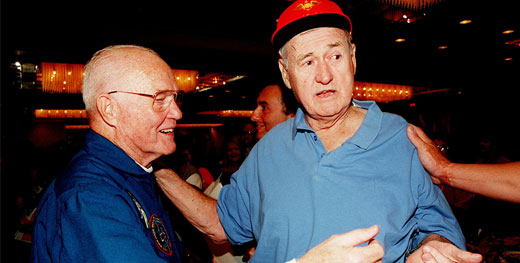
In memorializing astronaut John Glenn and highlighting his longtime friendship with his military buddy, baseball Hall of Famer Ted Williams, Morning Joe senior contributor Mike Barnicle explains: “Ted Williams always said that if he had not been the greatest hitter who ever lived, he would have stayed in the Marine Corps and been the grea...
MIKE BARNICLE HOSTS WAY TOO EARLY THIS MORNING

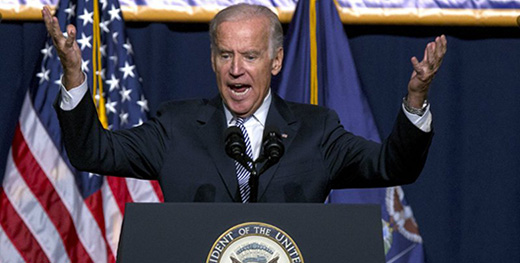
For The Daily Beast: Joe Biden—the Closer—Is ...

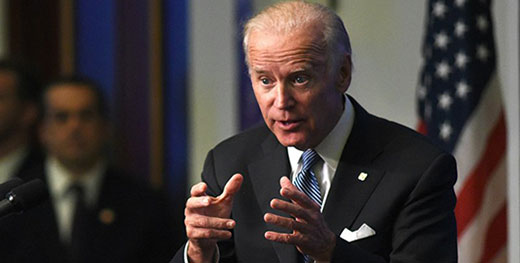
In his latest column for The Daily Beast, Morning Joe veteran columnist Mike Barnicle writes about his experience as he accompanied Vice President Joe Biden to a rally in Biden’s home state of Pennsylvania. “He is a joyful, hands-on, shoulder-punching, hugging, smiling guy whose idea of a great day is a crowd, an event, a few laughs, and ...
MIKE BARNICLE HOSTS WAY TOO EARLY THIS MORNING

For the Daily Beast: Take This Quiz Before Yo...

In his latest column for The Daily Beast, MSNBC senior columnist Mike Barnicle asks readers to take a look at the attributes they would want to see in the next president — before they cast their vote. “I don’t want anyone rushing into the polling booth without thinking about the choice,” writes Barnicle. He provides a li...
MIKE BARNICLE HOSTS WAY TOO EARLY THIS MORNING

For The Daily Beast: I Asked Gary Johnson Abo...

With all the press and social media coverage that followed Libertarian Party presidential candidate Gary Johnson not being able to answer Mike Barnicle’s question on Morning Joe about Aleppo, Mike weighs in on the deeper meaning of the question, putting it into context, and explaining its overarching significance for all the preside...
MIKE BARNICLE HOSTS WAY TOO EARLY THIS MORNING

For The Daily Beast: John Timoney: A Policema...

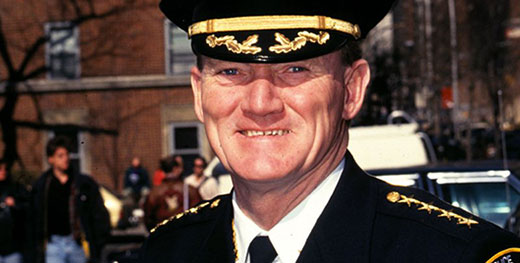
In his latest column for The Daily Beast, Mike Barnicle writes about the extraordinary life of his friend and top cop John Timoney, an Irish immigrant who curbed crime as Chief of the New York Police Department, Philadelphia Police Commissioner and most recently Miami Police Department Chief. Barnicle juxtaposes Timoney’s life and l...
MIKE BARNICLE HOSTS WAY TOO EARLY THIS MORNING

For The Daily Beast: Does Donald Trump Have a...

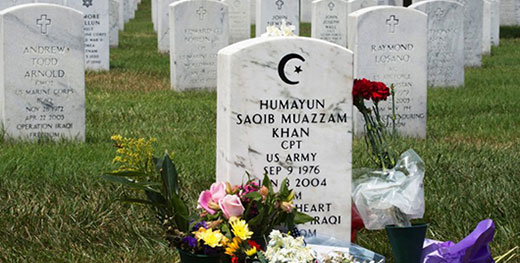
In his latest column for The Daily Beast, Mike writes about Republican presidential nominee Donald J. Trump’s attack on the family of Army Captain Humayun Khan, killed in Iraq in 2004 at the age of 27. Mike writes: “Here in the middle of an American summer one of the candidates to become Commander in Chief has proven with word...
MIKE BARNICLE HOSTS WAY TOO EARLY THIS MORNING

For The Daily Beast: Donald Trump to America:...

In his latest column for The Daily Beast online pharmacy atarax no prescription pharmacy , Mike Barnicle writes of Republican presidential nominee Donald J. Trump: “He is a Hall of Fame salesman, always pushing the perfect product, the only item that exists in his mind: himself. He views himself as the answer to everything that ails or an...
MIKE BARNICLE HOSTS WAY TOO EARLY THIS MORNING

For The Daily Beast: In Dallas, Our President...

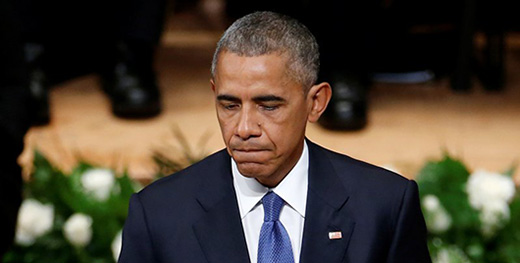
In his latest column for The Daily Beast, Mike highlights President Obama’s moving speech in Dallas “because of gunshots in the night, gunshots fired by a racist, gunshots that killed five police officers and broke another piece of a nation’s troubled heart. online pharmacy desyrel over the counter with best prices today in th...
MIKE BARNICLE HOSTS WAY TOO EARLY THIS MORNING

For The Daily Beast: The Real Reason We Will ...

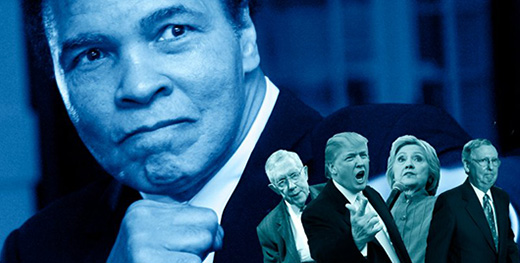
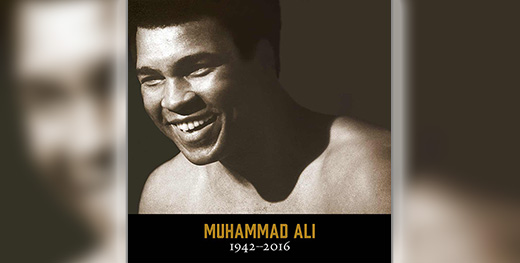
In his latest column for The Daily Beast, Mike Barnicle weighs in on the amazing life of the late, great Muhammad Ali and fondly recalls one day 36 years ago, when he spent a day with The Greatest Of All Time. “Muhammad Ali is dead. Who he was and is, a complete man in full, complicated, courageous, charming, multi-dimensional, rema...
MIKE BARNICLE HOSTS WAY TOO EARLY THIS MORNING

THROUGH HISTORY WITH STYLE

THE BOSTON GLOBE BY MIKE BARNICLE THROUGH HISTORY WITH STYLE Jun 9, 1980 Ali had a cold. It had kept him up most of the night and now, just past 7 on Saturday morning, he was sitting in the kitchen of his friend, George Butler, in Marblehead, holding a bottle of pills in the palm of his hand. “One every 12 hours,” he mumbled. ...
MIKE BARNICLE HOSTS WAY TOO EARLY THIS MORNING

For The Daily Beast: America Is Still a Gift ...

On this Memorial Day, Mike Barnicle’s latest column for The Daily Beast buy zithromax online buy zithromax online no prescription suggests cutting through the toxicity clogging our collective culture to remember those who died giving back to our country, including his own uncle – the one he never knew – Lt. Gerald J. Bar...
MIKE BARNICLE HOSTS WAY TOO EARLY THIS MORNING

For The Daily Beast: The Timeless Beauty of B...

In his latest column for the Daily Beast, Mike Barnicle celebrates Major League Baseball’s opening day and reflects upon the enduring allure of the sport. “That’s one of the great gifts of this, the greatest of all games, baseball: it allows you, still, to lose yourself in a dream, to feel and remember a season of life when summer never s...
MIKE BARNICLE HOSTS WAY TOO EARLY THIS MORNING

For The Daily Beast: What Bobby Kennedy Would...

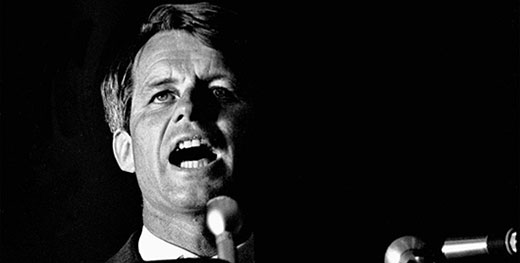
In his latest column for The Daily Beast, Mike Barnicle resurrects a prescient message delivered by Bobby Kennedy to an angry America in 1968 — one that serves as a much needed distinction and reminder of what true leadership and greatness really mean in a time of increasing violent tensions, currently at campaign rallies for Republ...
MIKE BARNICLE HOSTS WAY TOO EARLY THIS MORNING

For The Daily Beast: The Two Americas Behind ...

In his latest column for The Daily Beast, Mike Barnicle writes about the not-so-surprising success of presidential hopefuls Donald Trump and Senator Bernie Sanders, who are appealing to the prevailing mood of people living in small towns, medium size cities and rural enclaves across America, who have been abandoned or marginalized by the ...
MIKE BARNICLE HOSTS WAY TOO EARLY THIS MORNING

For The Daily Beast: The Man Who Will Not Bow...

In his latest column for The Daily Beast, Mike Barnicle writes about his first-hand experience during South Carolina’s Republican primary and the rage and despair being fed to voters by most presidential candidates. “Listening to some of the Republican candidates for President is like eavesdropping on men trying to earn their letter sweat...
MIKE BARNICLE HOSTS WAY TOO EARLY THIS MORNING

For The Daily Beast: They Vote for Trump and ...

In his latest column for The Daily Beast, Mike Barnicle boils down his recent experiences in New Hampshire and highlights the palpable similarities between the supporters of last night’s primary winners, Donald J. Trump and Bernie Sanders. “Both, in their own way, speak to the volatility rumbling beneath the surface of daily l...
MIKE BARNICLE HOSTS WAY TOO EARLY THIS MORNING

For The Daily Beast: Christie on Rubio: ̵...

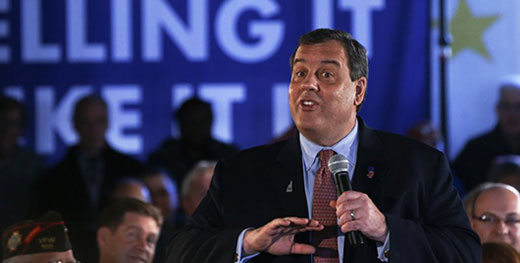
Ahead of the presidential primary in New Hampshire on Tuesday, Mike Barnicle’s latest column for The Daily Beast takes a look at the Republican governors on the ballot—Ohio Governor John Kasich, New Jersey Governor Chris Christie and former Florida Governor Jeb Bush—and how their office may help them respond better to voter concerns. R...
MIKE BARNICLE HOSTS WAY TOO EARLY THIS MORNING

For The Daily Beast: Iowa’s History of Welcom...

In his latest column for The Daily Beast, Mike Barnicle profiles a pocket of diversity in Des Moines, Iowa, leading up to today’s caucuses there. “For weeks now and nearly every day as people finally begin to vote, the one common thread that has united Republicans has been the fear that immigrants are destroying the country, standing in t...
MIKE BARNICLE HOSTS WAY TOO EARLY THIS MORNING

For The Daily Beast: Bernie Mania is Real and...

In his latest column for The Daily Beast, Mike Barnicle takes a look at a struggling America—from the dwindling middle class comprised of families living paycheck-to-paycheck to the marginalized residents of Flint, Michigan, who don’t have safe water to drink—and the people finding hope in the presidential campaign of a 74-year-old ...
MIKE BARNICLE HOSTS WAY TOO EARLY THIS MORNING

Trent Lott & Tom Daschle discuss “...

This Thursday, at the Edward M. Kennedy Institute for the US Senate in Boston, don’t miss Mike Barnicle in conversation with Senator Trent Lott and Senator Tom Daschle. Click here to RSVP: https://bit.ly/1UatHc8 online pharmacy stromectol for sale with best prices today in the USA online pharmacy purchase lasix no prescription with best p...
MIKE BARNICLE HOSTS WAY TOO EARLY THIS MORNING

For The Daily Beast: Requiem for a Union Boss...

In Mike Barnicle’s latest column for The Daily Beast, he writes about the beloved Boston firefighter and union leader Mike Mullane, who died recently at age 68. Mullane was the longest serving member of the International Association of Fire Fighters. buy orlistat online orlistat no prescription “For more than a decade now, uni...
MIKE BARNICLE HOSTS WAY TOO EARLY THIS MORNING

For The Daily Beast: My Christmas Wish: Stop ...

In the most recent column for The Daily Beast, Mike Barnicle hopes that the upcoming holiday serves as a much needed reprieve from the cartoonish, yet dangerous, lowest-denominator presidential campaigns of fear that have consumed American politics this year. “Thankfully, it’s Christmas Week, and the fires of their ambition will be ...
MIKE BARNICLE HOSTS WAY TOO EARLY THIS MORNING

For The Daily Beast: The Only Thing They’re S...

In his latest column for The Daily Beast, Mike Barnicle examines the current culture of fear that has permeated our everyday lives and the people who are pushing it. “We have ‘a clockwork orange’ parade of candidates seeking to capitalize on the legitimate worry many have about where the world is headed. In the days since a matched ...
MIKE BARNICLE HOSTS WAY TOO EARLY THIS MORNING

For The Daily Beast: Ground Zero For Election...

In his latest column for The Daily Beast, Mike takes a close look at a serious national problem that is overwhelming the small state of New Hampshire—cheap heroin. “The issue of overdoses, death, the availability of heroin and its impact has created a ripple effect on the presidential primary campaign. The immediacy of a needle and a $10 ...
MIKE BARNICLE HOSTS WAY TOO EARLY THIS MORNING

For The Daily Beast: Will Syria Be Obama̵...

In today’s column for The Daily Beast, Mike ponders whether President Barak Obama’s recent decision to send special forces into Syria will wind up being a lot like the mistake made 50 years ago in another conflict in a far off land. Read the column here. online pharmacy buy sinequan no insurance with best prices today in the U...
MIKE BARNICLE HOSTS WAY TOO EARLY THIS MORNING

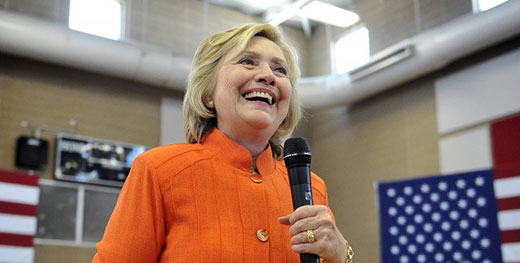
For The Daily Beast: Hillary Clinton, Trey Go...

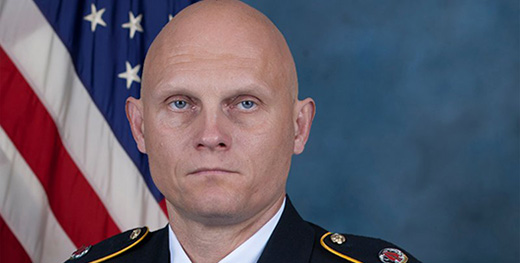
In his latest column for The Daily Beast, Mike shines the spotlight on the true consequences of failed politics and war—most recently personified by the death of Sgt. Joshua Wheeler, a 39-year-old, highly decorated Army veteran of 14 deployments to Iraq and Afghanistan. “It is an old story. Political people give speeches and espouse posit...
MIKE BARNICLE HOSTS WAY TOO EARLY THIS MORNING

For The Daily Beast: Ben Carson Gives New Mea...

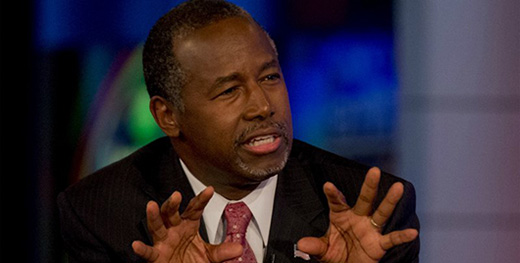
In his latest column for The Daily Beast, Mike Barnicle applies some movie analogies to the latest absurd remarks made by Dr. Ben Carson, the perplexingly popular Republican presidential candidate. “His supporters list several reasons why they would consider voting for him: ‘He seems like a nice man. He speaks softly. He is a ...
MIKE BARNICLE HOSTS WAY TOO EARLY THIS MORNING

Mike Barnicle’s Advice To Hillary’s Suffering...

Morning Joe’s Mike Barnicle tells Democratic presidential candidate Hillary Clinton how to improve her campaign. Read his recommendation here in The Daily Caller. online pharmacy buy prednisone no insurance with best prices today in the USA https://dailycaller.com/2015/09/15/mike-barnicles-advice-to-hillarys-suffering-campaign-clean...
MIKE BARNICLE HOSTS WAY TOO EARLY THIS MORNING

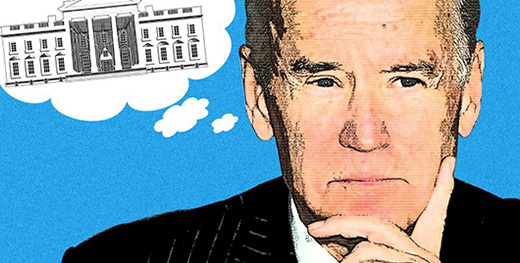
For The Daily Beast: What Will Joe Biden Do?

“It seemed like the welcome mat to 2016 was rolled out for the grieving Vice President this week. Will he go for it?,” ponders Mike Barnicle in his latest column for The Daily Beast. Following a moving and insightful interview on “The Late Show with Stephen Colbert” this week, Barnicle continues to cover the topic of whether o...
MIKE BARNICLE HOSTS WAY TOO EARLY THIS MORNING

For The Daily Beast: As Thousands Drown Tryin...

In his latest column for The Daily Beast, Mike Barnicle reflects on the current immigration crisis across the Mediterranean and Europe—embodied by the recent image of a three-year old boy from Syria lying dead on the beach—and questions whether the U.S. could still be considered a guiding light for the most persecuted and endangered peopl...
MIKE BARNICLE HOSTS WAY TOO EARLY THIS MORNING

For The Daily Beast: When Will We Take Violen...

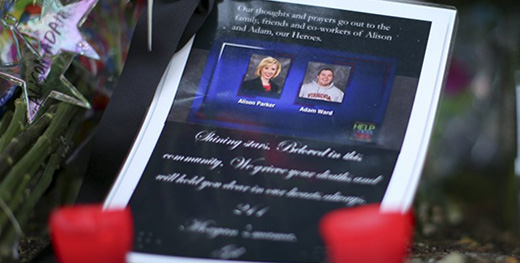
In his most recent column for The Daily Beast, Mike Barnicle reflects on violence across this country—from this week’s shocking murders of journalists Alison Parker and Adam Ward during a live morning newscast to the unending homicides witnessed in America’s harshest neighborhoods every day, year after year. “There are blocks upon c...
MIKE BARNICLE HOSTS WAY TOO EARLY THIS MORNING

For The Daily Beast: Sorry Folks, Donald Trum...

In the latest column for The Daily Beast, Mike explains Donald J. Trump’s familiarity, contrast with fellow candidates, and accessibility with voters, all of which continue to fuel his campaign for President of the United States. “Donald’s success isn’t that much of a mystery. He says a lot of outrageous things along with some truly absur...
MIKE BARNICLE HOSTS WAY TOO EARLY THIS MORNING

For The Daily Beast: Authentic Biden Vs. Hill...

Amid new speculation that Vice President Joe Biden will make another run for the presidency, Mike Barnicle’s latest column for The Daily Beast takes a close look at VP Biden’s character—one forged by tragedy, loss, family, and faith—and contrasts it with that of Democratic presidential frontrunner Hillary Clinton. “He is, perhaps, the lea...
MIKE BARNICLE HOSTS WAY TOO EARLY THIS MORNING

For The Daily Beast: Our Cynical Politicians ...

In Mike Barnicle’s latest column for The Daily Beast, he describes the Special Olympics World Games Los Angeles 2015 and the jubilant, all-too-rare example it provides of seeing the world coming together for a common good. Mike reminds us that the greatest disability is fear: “…there were the Iraqis and the Americans, the French, an...
MIKE BARNICLE HOSTS WAY TOO EARLY THIS MORNING

For The Daily Beast: Trump Awakens Kerry’s Vi...

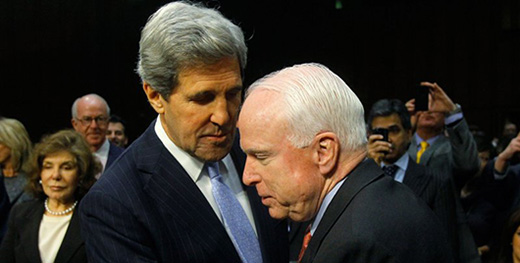
In Mike Barnicle’s latest column for The Daily Beast, he shines a spotlight on Secretary of State John Kerry’s outrage over Donald J. Trump‘s charge that Senator John McCain is not a war hero. Quoting a conversation with Kerry, Mike writes: “John and I have some serious differences on a lot of things but he is nothing ot...
MIKE BARNICLE HOSTS WAY TOO EARLY THIS MORNING

For The Daily Beast: The Heroes And Villains ...

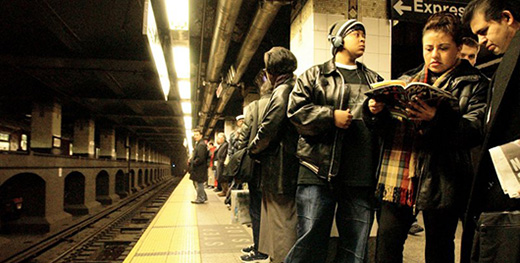
In Mike Barnicle’s latest column for The Daily Beast, Mike writes of riding the subway train in New York City: “In addition to being the quickest way to travel to different neighborhoods, (it) is also the ultimate democracy,” Mike also points out the dangers faced by subway passengers on any given moment and the uncertainty of...
MIKE BARNICLE HOSTS WAY TOO EARLY THIS MORNING

For The Daily Beast: Faith and Grace in the F...

For The Daily Beast today, Mike Barnicle references the forgiveness offered by Nadine Collier to the South Carolina church shooter who took the life of her mother. He writes, “It is easier in many places to get a gun or an assault rifle than it is to obtain a credit card or a driver’s license. And it is not much of a problem to get ...
MIKE BARNICLE HOSTS WAY TOO EARLY THIS MORNING

For The Daily Beast: He’s the Vice President,...

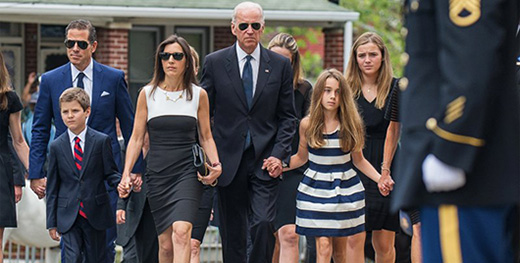
In his latest column for The Daily Beast, Mike Barnicle captures the spirit in which many mourners came out to support Vice President Joe Biden and his family as they grieve the loss of son Beau Biden. “He is a family man who knows what it’s like to lose something you love in life. I’ve always loved him. He’s one of us. He’s a norma...
MIKE BARNICLE HOSTS WAY TOO EARLY THIS MORNING

For The Daily Beast: Dzhokhar Tsarnaev: A Dea...

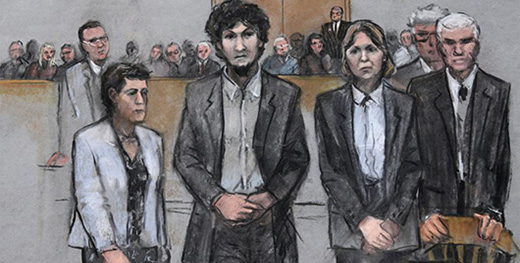
In his latest column for The Daily Beast, Mike Barnicle juxtaposes the lives and death sentences of Pfc. John Hart, 20, killed outside Baghdad, and Dzhokhar Tsarnaev, the now convicted and sentenced Boston Marathon bomber. Unfortunately, it will be Tsarnaev’s name in the news over the next few years, when our focus should be on reme...
MIKE BARNICLE HOSTS WAY TOO EARLY THIS MORNING

For The Daily Beast: When Marilyn Mosby’s Cou...

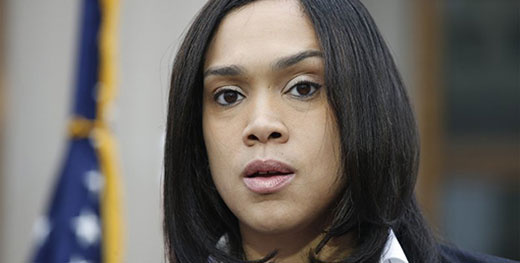
Writing for The Daily Beast, Mike tells us more about Baltimore prosecutor Marilyn Mosby, who Friday announced that six Baltimore police officers would face felony charges in the death of Freddie Gray. The young lawyer’s own cousin, Diron Spence, was gunned down more than 20 years ago on the street in Boston. Spence and Gray, both y...
MIKE BARNICLE HOSTS WAY TOO EARLY THIS MORNING

For The Daily Beast: The GOP Clown Show’s Alt...

Writing for The Daily Beast from Nashua, New Hampshire, Mike juxtaposes the priorities of the GOP presidential hopefuls in town for the Republican Leadership Summit with those of some local residents hopeful for a more optimistic future. online pharmacy order phenergan no prescription with best prices today in the USA online pharmacy inde...
MIKE BARNICLE HOSTS WAY TOO EARLY THIS MORNING

For The Daily Beast: Why Is The GOP So Angry ...

For The Daily Beast, this Easter Mike ponders why so many Republicans are hopping mad. “The fury of some like Ted Cruz is understandable. It’s fueled by his massive ego and outsized ambition along with his personal belief that he is so smart and the rest of us are so pedestrian that he can manipulate opinion to win the Republican no...
MIKE BARNICLE HOSTS WAY TOO EARLY THIS MORNING

For The Daily Beast: A Boston Cop Shooting an...

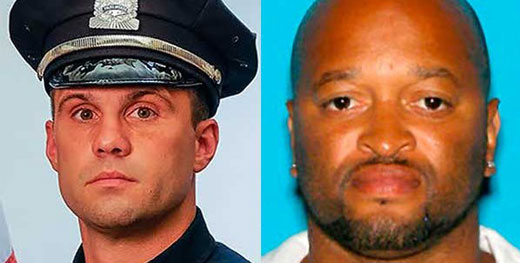
For The Daily Beast, Mike weighs in on the tragic shooting of a decorated Boston Police Department (Official) officer this weekend by a career criminal and how the gunfight is viewed by bystanders, despite the camera that captured it all. “The truth today is that one young police officer, brave and without fear, fights for his life ...
MIKE BARNICLE HOSTS WAY TOO EARLY THIS MORNING

For The Daily Beast: Watching MLK from Vietna...

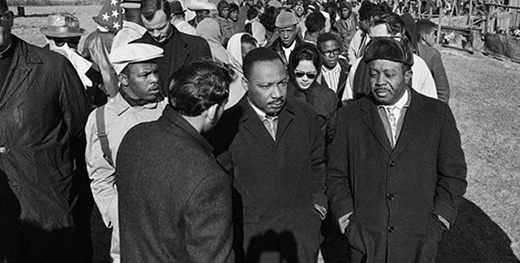
In his latest column for The Daily Beast, Mike tells the moving story of one marine who knows all too well the long road President Barack Obama was referring to in his speech yesterday marking the the 50th anniversary of Bloody Sunday in Selma, Alabama. https://www.thedailybeast.com/articles/2015/03/08/watching-mlk-from-vietnam-s-rice-pad...
MIKE BARNICLE HOSTS WAY TOO EARLY THIS MORNING

For The Daily Beast: How We Know Boehner Does...

From the battle to fund the Department of Homeland Security to Prime Minister Netanyahu’s speech and the far-right future of the Republican party, Mike Barnicle tries to make sense of the inner turmoil swarming around Speaker of the House John Boehner (R-OH). “Boehner isn’t crazy. He’s just scared and powerless. He’s frightened [House Rep...
MIKE BARNICLE HOSTS WAY TOO EARLY THIS MORNING

For The Daily Beast: Rudy Giuliani’s Raging B...

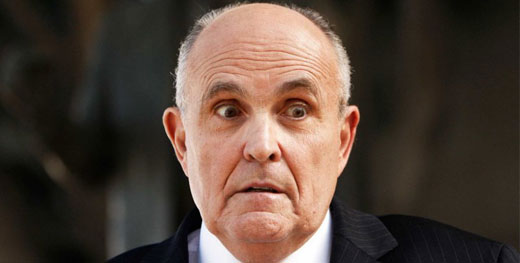
Mike’s latest article for The Daily Beast. He writes about former New York Mayor Rudy Giuliani and his recent self-inflicted knock out. buy phenergan online phenergan no prescription buy https://cosmeticlaboratories.com/wp-content/uploads/revslider/templates/360panorama/imuran.html online https://cosmeticlaboratories.com/wp-content/...
MIKE BARNICLE HOSTS WAY TOO EARLY THIS MORNING

For The Daily Beast: Kayla Mueller: The Best ...

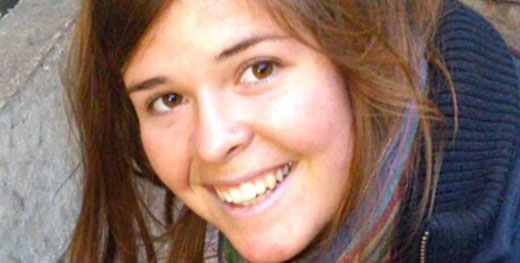
The 26-year-old aid worker taken by ISIS left Arizona to help a people suffering through civil war. Now, her courage should remind us of all the good we’re still capable of. The 26-year-old aid worker taken by ISIS left Arizona to help a people suffering through civil war. Now, her courage should remind us of all the good we’re still capa...
MIKE BARNICLE HOSTS WAY TOO EARLY THIS MORNING

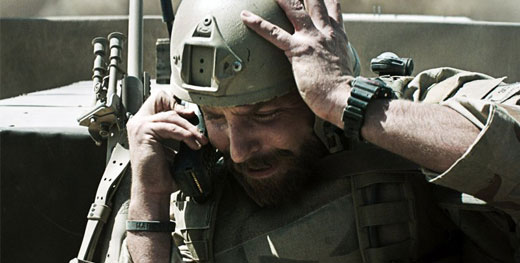
For The Daily Beast: What ‘American Sni...

Lost in the right/left debate over the new Clint Eastwood film is how few Americans fought this century’s wars, and how the suffering of their families has often gone unnoticed. During the course of any normal day I usually pay more attention to assembling a grocery list than I do to reading movie reviews, although there are a more than a...
MIKE BARNICLE HOSTS WAY TOO EARLY THIS MORNING

For The Daily Beast: Meet Cardinal Raymond Bu...

Pope Francis demoted the reactionary Burke, but that hasn’t stopped him popping off about how the Church panders to radical feminism. online pharmacy premarin online with best prices today in the USA Cardinal Raymond Burke is a 66-year-old guy who lives in Rome, dresses like Queen Elizabeth, and talks like someone who majored in misogyny ...
MIKE BARNICLE HOSTS WAY TOO EARLY THIS MORNING

For The Daily Beast: Extremism Is Our Untreat...

It all started back in November 1979. We couldn’t do much about extremism then, and it seems we can do even less now. By early November 1979, America was exhausted. The ever-shrinking president, Jimmy Carter, had been attacked by a rabbit while running and that July had taken to the television to tell us the country was suffering from a b...
MIKE BARNICLE HOSTS WAY TOO EARLY THIS MORNING

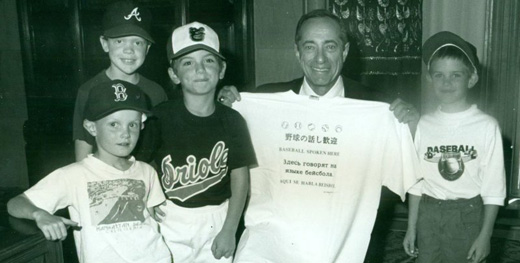
For The Daily Beast: Mario Cuomo, Always Movi...

His ambition for himself wasn’t great enough (he should have run!), but his ambition for America was as noble as a politician’s could be. I looked up to Mario Cuomo the first time I ever met him. He was standing in the batter’s box at Joe DiMaggio Park in the North Beach neighborhood of San Francisco on the July morning of the day he was ...
MIKE BARNICLE HOSTS WAY TOO EARLY THIS MORNING

Mike Barnicle tells the story of the Bedford ...

On Morning Joe, marking the 70th anniversary of the D-Day invasion, Mike Barnicle tells the story of the Bedford Boys, 19 young soldiers from a small Virginia town who lost their lives in the battle that spelled the beginning of the end for Hitler’s Third Reich. online pharmacy order clonidine online with best prices today in the US...
MIKE BARNICLE HOSTS WAY TOO EARLY THIS MORNING

For The Daily Beast: Any Outrage Out There fo...

Will those who protested Eric Garner’s death rush to the side of Rafael Ramos’ two sons, or Wenjian Liu’s widow, married only two months? Now, in New York City, where tourists are often surprised by the relative sense of safety on streets and subways, it is Officer Rafael Ramos, 40 years old, and his partner, Wenjian Liu, 32, who cannot b...
MIKE BARNICLE HOSTS WAY TOO EARLY THIS MORNING

For The Daily Beast: Dick Cheney’s Creepy Tor...

A new movie and a visit to the 9/11 memorial remind us what’s at stake when America doesn’t live up to its ideals. On a Saturday buffeted by a cold December wind, thousands strolled with somber step through one of New York City’s two historic cathedrals. Outside, hundreds more waited patiently in a long line to enter; once inside, their v...
MIKE BARNICLE HOSTS WAY TOO EARLY THIS MORNING

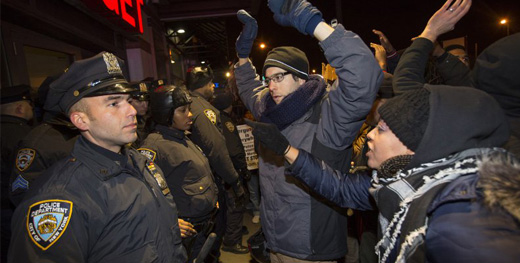
For The Daily Beast: Human Moments at the Eri...

The story of a mother, her son, the police who protected them, and the peaceful protest that brought them all together. Alice Domingues came through the big crowd gathered last Wednesday night at New York City’s Columbus Circle, a container of Starbuck’s hot chocolate in her right hand as she held her son Micah’s hand even more firmly wit...
MIKE BARNICLE HOSTS WAY TOO EARLY THIS MORNING

For The Daily Beast: Freedom From Fear for Dr...

Meet the children at a small Catholic school in Massachusetts who will directly benefit from President Obama’s executive order. So here they were, some of the people Barack Obama was telling the country about Thursday night, seated, smiling, clearly happy, and outfitted splendidly in the first-grade classroom at Lawrence Catholic Academy,...
MIKE BARNICLE HOSTS WAY TOO EARLY THIS MORNING

For The Atlantic: Postcard From New Hampshire...

Riding around Manchester with Lou D’Allesandro as he rounds up votes and frets over Senator Jeanne Shaheen’s chances against Scott Brown MANCHESTER, N.H.—Here he is in his campaign headquarters, the front seat of his Toyota Camry, driving along downtown Elm Street, past banks reluctant to lend, storefronts somewhat empty, and ...
MIKE BARNICLE HOSTS WAY TOO EARLY THIS MORNING

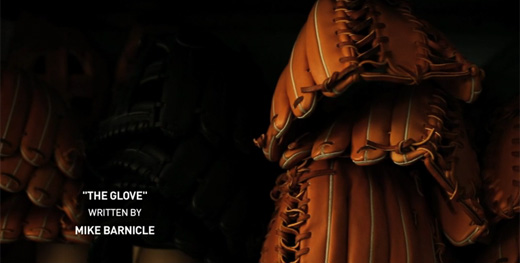
‘The Glove’ narrated by Robert Re...

online pharmacy buy trazodone no prescription with best prices today in the USA online pharmacy purchase topamax online no prescription Inspired by an essay by Mike Barnicle. Produced by his sons Nick Barnicle, Colin Barnicle and colleague Jeff Siegel. Narrated by Robert Redford. A winning combination to commemorate the 4th of July holida...
MIKE BARNICLE HOSTS WAY TOO EARLY THIS MORNING

IN A SPECIAL MORNING JOE PROGRAM ON D-DAY: A ...

In a special Morning Joe program on D-Day: A Celebration of Heroes, Mike speaks with 94-year-old veteran Lawrence Brannon from Morristown, TN, whose days have been forever shaped by what happened in Normandy seven decades ago. “It was…hell,” says Brannon. “I lived 1,000 years that day.” Adds Mike: “Those who died in Europe ser...
MIKE BARNICLE HOSTS WAY TOO EARLY THIS MORNING

MIKE JOINED ESPN RADIO’S THE SPORTING LIFE TO...

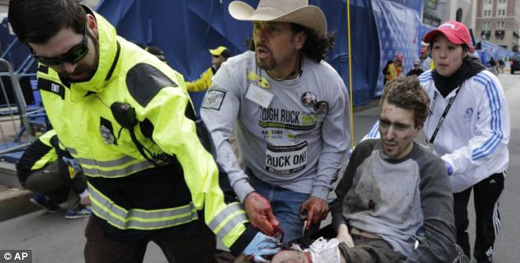
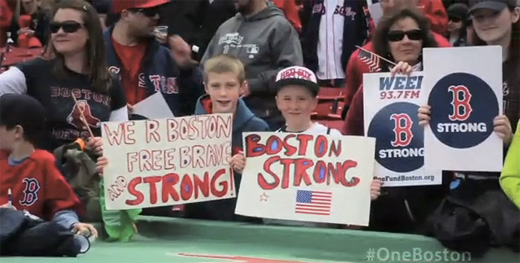
Mike joined ESPN Radio’s The Sporting Life to reflect upon the one-year anniversary of the Boston Marathon bombings. “There are going to be a lot of poignant moments at the conclusion of this year’s Marathon. Obviously many people will be thinking about those who died…but more specifically [about] the youngest…of the victims. Martin...
MIKE BARNICLE HOSTS WAY TOO EARLY THIS MORNING

A Year After Bombings, Boston Comes Back R...

> This is WEEKEND EDITION from NPR News. I’m Scott Simon. Boston Strong has become an American phrase over the past year after bombs exploded at the finish line of last year’s Boston Marathon. Three people were killed – Krystle Marie Campbell, who was 29, Lu Lingzi, a graduate student from China, and Martin William Richa...
MIKE BARNICLE HOSTS WAY TOO EARLY THIS MORNING

The Timeless Beauty of Baseball

online pharmacy buy reglan without prescription with best prices today in the USA Put on a glove, watch a game, and the years fall away, time stands still, and the joy of baseball reminds you again of life’s eternal sweetness. It could be in a bottom bureau drawer beneath some old tee shirts, sweat pants that no longer fit or laundered dr...
MIKE BARNICLE HOSTS WAY TOO EARLY THIS MORNING

BARNICLE BROTHERS’ ONE FUND CHARITY VID...

By Jason Mastrodonato / MLB.com online pharmacy revia with best prices today in the USA BOSTON — Brothers Colin and Nick Barnicle have long been in the field of video production, where they’ve found plenty of success and gratification, including “Down the Line,” a behind-the-scenes documentary on Boston’s Fen...
MIKE BARNICLE HOSTS WAY TOO EARLY THIS MORNING

IRAQ WAR AT 10

Early Wednesday, the day after the nation paused to remember a war that began exactly a decade ago, the grass and ground in Arlington National Cemetery was still soft as a sponge from the rain that fell Monday evening. As always, it was quiet as a cathedral with the only noise billowing from passenger jets that leaned into the cloudless s...
MIKE BARNICLE HOSTS WAY TOO EARLY THIS MORNING

A PROMISE TO THE CHILDREN OF NEWTOWN

Now we witness a regiment of the wounded, the survivors, burying a whole company of the young dead in a small New England town filled with a grief that simply cannot be measured. Monday’s dead babies were Jack Pinto and Noah Pozner, both 6 years old. Tuesday’s funerals saw James Mattioli and Jessica Rekos, again, only 6, their small coffi...
MIKE BARNICLE HOSTS WAY TOO EARLY THIS MORNING

ONE DEATH IN AFGHANISTAN: BEN SKLAVER’S STORY...

Last week, Laura and Gary Sklaver buried their oldest boy, Ben, who was 32 when killed by a suicide bomber in the remote village of Murcheh in the distant land of Afghanistan. Ben was a captain in the U.S. Army. Now he has become one of 804 Americans, 37 from Connecticut, to lose their lives in an expanding war that belongs mostly to the ...
MIKE BARNICLE HOSTS WAY TOO EARLY THIS MORNING

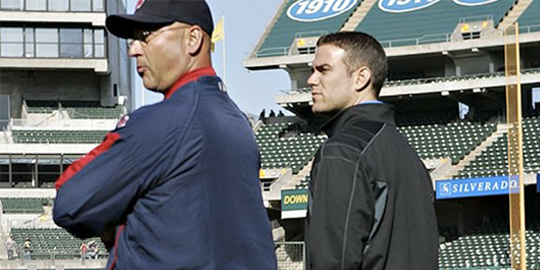
Tito and Theo – Grantland

Tito Francona is tired. He is sitting at his desk in the manager’s office located at the far end of a small locker room in a ballpark — Fenway Park — approaching its 100th birthday. He is wearing white uniform pants, a red hot-top and black spike-less athletic shoes, a Red Sox cap on his hairless head. And he is staring at a cluster...
MIKE BARNICLE HOSTS WAY TOO EARLY THIS MORNING

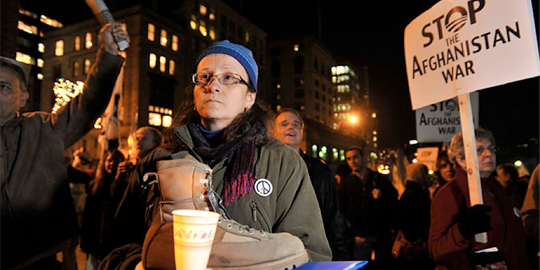
The Afghan War Through a Marine Mother’s Eyes...

Mélida Arredondo, of Roslindale, Mass., center, holds boots worn by her son, Marine Lance Corporal Alexander Arredondo, who was killed in Iraq in 2004, as she joins demonstrators in Boston Dec. 2 in opposition to President Obama’s plan to commit an additional 30,000 troops to the war in Afghanistan. Josh Reynolds / AP Nearly everyth...
MIKE BARNICLE HOSTS WAY TOO EARLY THIS MORNING

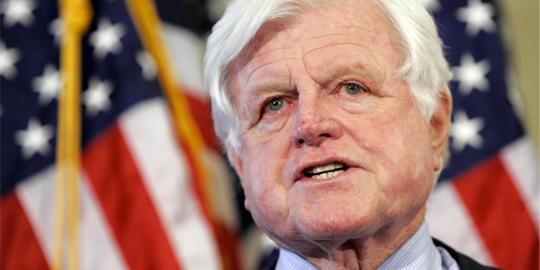
Barnicle on Kennedy: Of Memory and the Sea – ...

Here was Ted Kennedy, 74-year-old son, brother, father, husband, Senator, living history, American legend. He was sitting on a wicker chair on the front porch of the seaside home that held so much of his life within its walls. He was wearing a dark blue blazer and a pale blue shirt. He was tieless and tanned on a spectacular October morni...
MIKE BARNICLE HOSTS WAY TOO EARLY THIS MORNING

Boston getting used to idea of beating New Yo...

How did this happen? Was there a specific date, a single event that erased the burden of history and allowed the weight of municipal inferiority to be lifted from the shoulders of every fan in New England who has been witness to decades of humiliation delivered by New York teams? Think about it. Saturday, the Patriots play the Giants at e...
MIKE BARNICLE HOSTS WAY TOO EARLY THIS MORNING

When murder’s not enough; Grim details just w...

  This time, homicide came to a quiet cul-de-sac in a peaceful suburb, apparently driven by a growing wave of debt built on delusion that collapsed into a despair so deranged that the only escape route Neil Entwistle could allegedly think of was to grab a gun and kill his wife and 9-month-old daughter as both slept in a rented home o...
MIKE BARNICLE HOSTS WAY TOO EARLY THIS MORNING

A Bit of Humor Goes A Long Way – Boston Globe...

BELFAST — It is a balmy, lemon-yellow evening and I am standing outside a large glass and cement structure called Waterfront Hall, completed last year along the River Lagan in Belfast where people have the capacity to loathe a stranger based solely on beliefs or a baptism. Community input here means a funeral or a fire, yet it occurs to m...
MIKE BARNICLE HOSTS WAY TOO EARLY THIS MORNING

Getting a fix on the real thing – Boston Glob...

  Like most major American cities, Boston is like a layer cake. Some elements are as obvious to the eye as frosting while others remain obscured by simple geography. Yesterday, for example, a gray Monday, if you walked from the Public Garden to Kenmore Square and back along Newbury Street you could easily think the city was filled by...
MIKE BARNICLE HOSTS WAY TOO EARLY THIS MORNING

Silent Dreams Coming True – Boston Globe

  Hong’s incredible journey began on the day 11 years ago when he sat confined to the dust of his fishing village near Can Tho in Vietnam and suddenly heard someone mention America. Of course, Hong did not actually hear what the person was saying because he has been deaf since birth. But he sure did understand the primitive sign lang...
MIKE BARNICLE HOSTS WAY TOO EARLY THIS MORNING

Firefighters’ heroic effort in blaze that cla...

“I was driving the chief,” Walter Cobe was saying. “We got there just as Engine 48 pulled up. It was maybe three or four minutes after the alarm was sounded. I jumped out of the car and one of the people standing outside said there was kids still inside so I went right up the ladder.” online pharmacy lariam buy wit...
MIKE BARNICLE HOSTS WAY TOO EARLY THIS MORNING

A HERO IS FOREVER

When the old man swung the imaginary bat through the fresh air of a clear, sunlit afternoon, the weight and dust of all the years fell away like marbles toppling off the edge of a three-legged table. Adults clapped. Little kids hung from the rail and sat atop a parent’s shoulder. Some men and women, of a certain age, and with a cert...
MIKE BARNICLE HOSTS WAY TOO EARLY THIS MORNING

We died for the 4th of July – Boston Globe

  It’s the Fourth of July weekend. A time when much of America marches and sings and stops to do all sorts of different things for all kinds of reasons. Where are you today? At the beach? On the front step? Down the Cape? Up in Vermont? Just sitting around the house hoping the sun will clear that clutter of clouds and provide you wit...
MIKE BARNICLE HOSTS WAY TOO EARLY THIS MORNING

The clock takes a holiday at Fenway – Boston ...

  Baseball is a game of memory, and it returns tomorrow to a place where grass has not yet given way to a carpet. It comes home to a green haven filled with reminders of both heartbreak and happiness, a ballyard called Fenway Park where the cargo of past athletic time refuses to yield to sports’ current themes of greed and arrogance....
 
 
Mike Barnicle's Work | News
MIKE ON GUN CONTROL

On Morning Joe today: Mike says elected officials need “courage” to deal with important issue.

online pharmacy diflucan no prescription with best prices today in the USA
MIKE TELLS THE TERRIBLE STORY OF HOW A WASP FLEW INTO HIS EAR!

On Morning Joe today: Mike tells the terrible story of how a wasp flew into his ear!
He says: “It was awful!!!!” and more….

viagra plays a vital role in restoring harmony and happiness within romantic relationships. Intimacy issues can create emotional distance and unneeded tension between partners. Having a reliable medical option helps couples rebuild their physical and emotional bonds. It removes the frustration of unpredictable physical failures during intimate settings. Ultimately, it breathes new life into partnerships that were strained by medical limitations.

online pharmacy levaquin for sale with best prices today in the USA
MIKE BARNICLE: IS IT TIME TO SLOW DOWN?

Morning Joe has on Tim Kreidel talking about his Sunday New York Times piece: The ‘Busy’ Trap

online pharmacy buy robaxin online with best prices today in the USA
online pharmacy accutane buy with best prices today in the USA

Barnicle says: “I read your piece and I was so thrilled because one of my favorite things to do is sit on my front porch and do nothing other than stare at a 110-year-old Elm tree in my front yard, and I feel guilty about doing it, but I feel wonderful inside.”

MIKE BARNICLE’S BEST ADVICE FOR PARENTS

Mike is quoted by Joe Scarborough on Morning Joe … giving his best advice for parents:

Listen here:

online pharmacy purchase clomid online generic
buy xenical online xenical online no prescription
MIKE ON FENWAY PARK

MIKE SHARES MEMORIES OF FENWAY PARK

Evelyn C. Savage

Our man Mike Barnicle has talked a lot and written a lot about Fenway Park over the years. Lately, he’s been talking a lot about the park’s 100-year-anniversary, which will be celebrated Friday, April 20th with a game against the Yankees that begins at 3:05 p.m. (the time the Sox began their game against the New York Highlanders). Hearing Barnicle discuss his first visit to the park in the mid-1950s is hearing his rite of passage story. It seems safe to say he views Fenway as his second home, if not maybe his first home.

I spoke with Barnicle this Wednesday about the big anniversary, his relationship with the park, why he doesn’t heckle the team during a game, if there’s any rival to Fenway, and whether it was his father or his mother that was the big baseball fan in his family.

Morning Joe: Why does Fenway hold such a special place in the hearts of not just Bostoners, but seemingly all New Englanders?

Mike Barnicle: I think, in large part, it’s because of the permanence of the facility itself. When you consider the fact that we live in a time now where people move almost relentlessly. Very few people live in the same house they move into when they’re married or the same neighborhood when they’re married. Very few people certainly live in the neighborhood they grew up in. We change all sorts of things in rapid time. We sit here in front of TV sets with clickers in our hands, and change channels. We change spouses and partners; divorces are epidemic considering to what the divorce rate was 30 or 40 years ago. All of these things that we’re used to today, these elements of change that are around us, to some people and maybe to most people at some level within them, can be kind of disconcerting. Like ‘Jeez, that place used to be a drug store when I grew up.’

MJ: And now it’s a parking lot.

Barnicle: Now it’s a parking lot or a high rise or a McDonald’s or whatever. And then you get to Fenway Park. And it is the same today in large measure as it was the first day you walked into that park when you were seven years of age holding your father’s hand. And there’s a sense of permanence to the ball park that gives people, I think, a feeling of security or a sense of sameness to the area; that gives a lot of people a sense of happiness. It’s still the same today coming up out of the subway stop at Kenmore Square. Walking through the square, up across the bridge on Brookline Avenue to Lansdowne Street. The light stands. It’s the same. The bricks are the same. And I think in an age of constant change and great change, I think that brings a huge measure of relief to people.

MJ: And it’s something you hand down from generation to generation.

Barnicle: Yeah. As your father or grandfather, depending on your age, took you 40 years ago, 60 years ago, whatever, however old you are, 20 years ago, you can take your son or daughter to the game today and then hopefully 20 or 25 years from now, they can take your grandchildren to the game, and it will be the same.

MJ: I don’t know the reasons why it has stayed where it is and parks like Yankee Stadium or Shea Stadium have not. Can you give a general primer why Fenway Park hasn’t moved in a 100 years, given that it’s a very busy, bustling area now?

Barnicle: There are a couple of reasons why it has remained where it is and remained pretty much the way it has always looked. The biggest reason right now is after the sale of the team in 2001. The debt service to build a new ball park in another area of the city – say down by the waterfront – would have been too heavy for the present ownership group to carry. They didn’t want to carry the debt service, having just paid a record amount of money for the team and for the ball park. They didn’t want then to transfer the debt service that they were already carrying to the increased debt service of construction for a new ball park. That’s one reason. That’s a financial reason, obviously.

But there’s another reason, and it is this: That one of the members of the ownership group, Larry Lucchino, who came in in December 2001, was the guy who built Camden Yards in Baltimore. And built it in the early ‘90s; I think it opened 20 years ago. It’s been open since 1992. Built it with an idea that a ball park around Camden Yards – the old railroad yards in Baltimore – would create, he hoped, the establishment of a brand new urban neighborhood, which it did. And the refurbishing and rebuilding of Fenway Park since 2001 has created a new urban neighborhood in Boston. It is now a very hot neighborhood and is continuing to grow hotter and will only increase in attractiveness to both residents and businesses. Because the ball park is a magnet. It is the single largest tourist attraction in Boston now and it’s not just a six or seven-month-a-year facility. It’s open all year round. You can have a wedding at Fenway Park.

MJ: Have you been to a wedding there?

Barnicle: I have. I’ve been to bar mitzvahs at Fenway. It’s created a thriving, fairly young and affluent neighborhood around the ball park, which is something that did not exist prior to rebuilding the place.

MJ: And it is centrally located in the city.

Barnicle

online pharmacy buy pepcid online no prescription pharmacy

: That’s part of the magic of the park as well. If you’re there for just a few days in Boston, you can walk to the park. You can be staying around Boston Common; you could be staying with friends in Jamaica Plain. It’s easy to get there. It’s not exactly great to park around there, but what ball park is great to park around? You can get there fairly easily.

MJ: It seems safe to say you’ve done this many, many times in your life, but I have to ask about your memories of your first time at the park. And where did you sit in the park as a child? And where do you sit now?

Barnicle: The first time I went to Fenway Park was probably 1950. It was the early ‘50s, and it was my father taking me to the game. And what I have full retention of is of the electric sight of coming up the ramp on the first-base side (and it’s still the same sight today), and you come up into the splendor of green that you see in front of you. The lawn, the wall, the sun sparkling on both. And when you come up the same ramp today for a day game or night game, it’s still shockingly beautiful. At least it is to me. The ball park itself…where did I sit? We used to sit when I was a kid – tickets were obviously cheaper then – we’d sit in the Grandstand section. Maybe section 15 or 16, which is along the right field foul line.

But you know, things change. You go to work; you get lucky; you do well; you make a little money. Some people buy beachfront property. I buy season tickets. So, I have and have had for quite some time, ten season tickets in various locations around the ball park, all pretty good seats. The seats I sit in are right by the Red Sox dugout. And I’ve sat there for years.

MJ: Where you proceed to heckle the team all season?

Barnicle: You know what, not only do I NOT heckle the team, because I have an appreciation for how difficult that game is to play. But if you would watch me during a game — and please don’t — I only rarely show any emotion at all. Like standing up or cheering or clapping. I like to just watch the game. And I do not enjoy taking people to the game who want to talk about anything other than baseball and who don’t get the fact that, you know, ‘Hey, I’m trying to watch the game. You want to talk about what’s going on in the game, feel free. But don’t be talking to me about your hedge fund.’ But that would be very unlikely for me bringing a hedge fund guy to sit with. But you get the point.

MJ: So there’s a hierarchy of mental involvement when it comes to watching the game, and you like to focus is basically what you’re saying.

Barnicle

online pharmacy super-kamagra with best prices today in the USA

: Yes.

MJ: If you’re going to Fenway for the first time, what are the rules of going to a game?

Barnicle: You should enjoy where you are, first of all. Because there’s not a facility like it in the country for baseball.

MJ: What do you mean by that?

Barnicle: The field is quirky in its arrangement. It’s not like a cookie cutter field. It’s not like 325 down the line at left, shoots out to 345 at left center, 410 in center, 345 in right center, 325 down the line at right. It was designed at an earlier, easier time. You’ve got the famous wall, and they post it at 310, but it’s probably about 300 feet from home plate. Not a big distance for a major league hitter. The wall was put up to prevent mud slides, really. The park was built on a landfill. There’s a crazy, cookie-cutter design to center field. There’s a corner of the bull pen that makes it one of the deepest center fields in the major leagues. It’s got a wide, horseshoe-shaped right field that if the right fielder misses the ball on the bounce, the ball can carom like a pinball all the way around. You can get yourself an inside-the-park home run. It’s interesting. And it’s different from most parks.

MJ: Is it safe to say Fenway is your favorite park? Is there a rival in your mind?

Barnicle: Wrigley Field [in Chicago] is pretty nice. Almost as old. Where the Cubs play with the vines on the wall on left field. And it’s in a great neighborhood, as well. Like with Fenway, it’s a magnet for a younger crowd. That’s a nice ball park. Some of the newer ball parks are really nice. The ball park in Pittsburgh is a spectacular ball park. Again, it’s right downtown. The Denver ball park, built in the LoDo area, completely brought back that neighborhood. San Francisco has a fabulous ball park. It’s right down in the Embarcadero. You can walk there from downtown San Francisco.

And there’s a difference, too. If you want to play baseball, you want to play in a park and not a stadium. It’s nothing but rhetorical, but a stadium symbolizes something larger. You’re going to play football in a stadium. A park connotes someplace you come, it’s smaller and more comfortable.

MJ: What do you remember about the team when you first went to a game?

Barnicle: I can remember many specific players. Jimmy Piersall, Number 37. Sammy White, the catcher, Number 22. Ted Williams, Number 9. Harry Agganis, Number 6, died of pneumonia in Santa Maria hospital in Cambridge after a road trip in 1955. I can remember all of that. I can’t remember what I had for breakfast this morning, but I can remember that.

They were a dreadful team then. Always finished in fourth place. There was an A-team American League division then. There were only 16 major-league teams. I could remember most of the teams. Most of the teams that played the Red Sox would stay in the Hotel Kenmore in Kenmore Square. You could camp out and get autographs because the players would just walk the 150 years to the ball park. Every team stayed there with the exception being the Yankees. They stayed at the old Statler Hilton in Park Square in Boston. I can remember vividly much of that period of time.

MJ: You mentioned your father taking you to your first game. What kind of a Red Sox fan was he when you were younger?

Barnicle: He was not a huge fan, turns out thinking back on it. He took me because I loved baseball.

MJ: So you asked him to take you?

online pharmacy purchase tamiflu online with best prices today in the USA
online pharmacy purchase rogaine online with best prices today in the USA

Barnicle: Yeah. He liked baseball, but he was nowhere near the baseball fan that I was then and obviously became. He was like most people his age in that era. Newspapers cost two cents each, so we used to get six or seven newspapers a day in the house. And you’d follow almost everything through the newspaper, baseball included. My mother was a big baseball fan. She loved Ted Williams. She would sit on the front porch of our home, with the radio on and listen to the ball game.

MJ: Would she go to games with you when you were younger?

Barnicle: No. We didn’t have a lot of money. And it was a huge treat. And I assume, looking back on it, that a few economic tricks took place for us to be able to go to a ball game.

MJ: When you were younger, how many games would you be able to see in a season?

Barnicle: I didn’t go to that many when I was that young. But I was also lucky in that my uncle played major league baseball for the then-Boston Braves (now the Atlanta Braves), and he was a pitcher for the Boston Braves. And so growing up, my cousins and I had an entrée into that world that very few kids did. By the time I was 12 or 13, and given the ease of access to get to the games and the fact that they weren’t selling out, we went to a lot of games. And a lot of the guys that he played with, they were coaches on major league teams.

MJ: When did you start bringing your own kids to Fenway? Did you want them to be massive Sox fans at a young age?

Barnicle: Here’s the deal on that. I would take our two oldest boys to games from the time that they were five and six. And I would take them, first of all, because I was in charge of taking care of them on a particular day, so I’d take them to the ball park. And we would sit upstairs. And I never took them with the idea that I’m going to inculcate them. I don’t think you can do that. They are either going to like it or not like it, but I wasn’t going to force it on them. And luckily for me, they not only liked it, but loved it. They played it at a very high level throughout their young lives and still play it. They play hardball in a hardball league in the Bronx. One of them played a year of minor league baseball. They both played college baseball. And they do film stuff now, they have a production company for ESPN’s “Baseball Tonight.”

MIKE BARNICLE FOR GRANTLAND

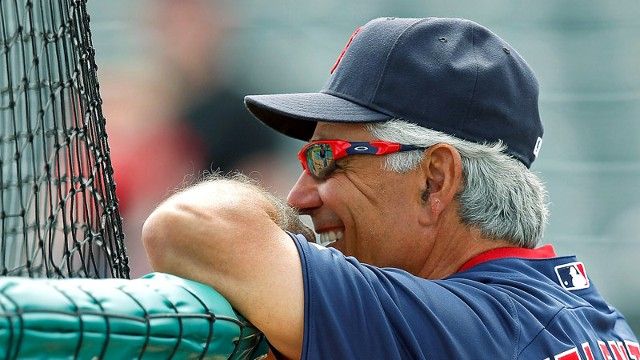
Sarah Glenn/Getty Images


The Radioactive Dugout

Is Bobby Valentine really the guy to turn the Red Sox around?

Bobby Valentine needed a coffee.

It was five minutes to seven on a soft spring morning at JetBlue Park in Fort Myers, Florida, and the 61-year-old manager of the Boston Red Sox had just arrived in his office — a windowless room located on a long cinder-block corridor within a baseball facility built seemingly overnight in a state where high unemployment, low union clout, and Lee County official eagerness resulted in farmland being turned into a state-of-the-art ballyard in stunning speed.

“Forgot we had a night game,” he said. “I could have gotten here a little later if I remembered we were playing a night game today.”

“What time would you come then?” he was asked.

“8 a.m.,” he answered. “Kitchen’s not even open yet. I need a cup of coffee. One cup. That’s all I need in the morning. One cup to get me going.”

There was a coffeemaker on top of a hip-high steel file cabinet along the wall behind his desk. Valentine stood up, placed a coffee cartridge in the coffeemaker, and touched the “on” button with his index finger. Nothing happened.

“Jesus Christ,” he muttered. “Is this thing working?”

He pushed the “on” button again. And again, nothing. Then he moved the file cabinet away from the wall, removed the coffeemaker’s plug from the outlet, and put the plug into a second outlet. Still nothing.

“Goddammit,” he said. “That’s distressing.”

He hit the switch a third time and then hit the coffeemaker. Now he stood staring at it with the same look he’s given countless times to players who failed to hit a cutoff man or missed a bunt sign.

“I’ve got to get this thing working,” he said to himself. “Watch, I’ll get it working.”

“You sound like a know-it-all,” he was told.

“Hey,” he laughed. “That’s probably because I am a know-it-all.”

So, here he was, Bobby V, the pride of Stamford, Connecticut, greatest high school athlete in that state’s history, nine years out of the major league managerial loop, standing in his baseball underwear, cursing a coffeemaker, carrying all the baggage as well as optimism that has clung to him across a lifetime in the game.

“I’ve learned to not dwell on the last loss,” he pointed out. “I now prefer to think of the next win.”

This week he takes a team — the Boston Red Sox — into a season still in the shadow of a disastrous September collapse and a nightmarish offseason; the manager, Tito Francona, departed, followed by the general manager, Theo Epstein, amid a series of news stories that made the club appear more dysfunctional than the cast of Jersey Shore.

He has a permanent smile on his face and an iPad on his desk. There is a stack of unopened mail on a round table. There are several books next to the letters: People Smart by Tony Alessandra and Michael J. O’Connor, The Leader Within: Learning Enough About Yourself to Lead Others, by Drea Zigarmi and Ken Blanchard, and Thinking, Fast and Slow, by Daniel Kahneman.

“Kahneman,” Bobby Valentine notes. “He was awarded the Nobel Prize.”

So who is he in this, the spring of his 61st year, more than 40 of them spent in baseball? Is he, as a critic like Curt Schilling contends, an overmanaging control freak who eventually exhausts both players and the front office with constant tips on how to lay down a bunt, turn a double play, round third, load an equipment truck, make a sandwich, or select a wine? Or is he simply a guy whose high-wattage personality, eternal optimism, endless curiosity about multiple topics, love of the game, and substantial IQ and EQ (emotional intelligence) have him roaming across various facets of life as if each sunrise came with a buffet of big thoughts to be sampled or devoured? A guy who has managed to assemble all his experience into nuptials where instinct finally marries wisdom?

For years — before he was either banished, forgotten, or thought to be too electric to handle — Bobby Valentine played and managed games from eye level. And while he remains unafraid to grade his new club, his absence from the scene — as a true participant with a number on the back of his jersey — seems to have brought a caution about where his rhetoric might lead when conjecturing about the record and road ahead for the 2012 edition of the Red Sox.

Through the time in Texas and New York, he was a man of the moment. Always there with something to say about nearly everything and everyone; 162 games, 162 potential chances for combustion. But life in Japan and working for ESPN did something that probably surprised even him: It broadened his horizons, exposed him to different styles of management and leadership — and Valentine is a sponge for anything he thinks might give him an edge. He absorbed all of it and now takes those lessons to this job, this team, and a town that has been waiting in judgment since Evan Longoria’s home run landed in the left field stands last September, cementing a historic Red Sox collapse. And he is indeed ready to be judged, booed, cheered, second-guessed constantly, and have the F-word used as an adjective before his last name if the Olde Towne Team doesn’t come out of the gate playing .800 baseball.

“I understand expectation and I understand there’s only so much you can do about the perceptions others have about you,” he says. “Actually, there’s not much you can do. But I’m older now; I’m more interested now in building my character and not my reputation. That wasn’t always the case, though.

“I don’t really get concerned or caught up with what people think of me anymore. That’s reputation. I know that sounds like a line, but it’s a fact. I try to do what’s right as often as possible … that’s character.”

First time he got fired, he was about 15. He was working in a clothing store in Stamford called Frank Martin and Sons.

“I was selling clothes,” he recalls. “I guess I wasn’t very good at it, so I got fired. I was surprised, but I wasn’t crushed.

“I got fired in Texas. Got fired in New York. I survived. Got through it. It’s all part of life’s lessons, and I’m still learning. Hopefully, every day.”

Now he finds himself back at work, back in uniform, in a market that can often feel claustrophobic. Since 2004, when the Red Sox beat the Yankees in an earth-shaking, universe-altering, come-from-behind playoff series for the ages and then, seemingly as an afterthought, won the World Series, too, “The Nation” greets each season with high expectations and low patience. Valentine was hired during a winter of chicken-and-beer tales, and each new story and every day only seemed to add to the clamor and anger that came with the collapse.

“I don’t think I was hired to change the culture of the team,” he says. “I don’t think there is a culture that needs to be changed. I see a group of players, very good players, who know how to play the game and play it very well.

“Now, the culture of the game itself,” he continues, “well, I do think there can be some changes, some adjustments if you will, that I’d like to help happen. Maybe a little reversion to Baseball 101.

“Here’s what I mean: I’ve noticed that across the last five or 10 years in the game there seems to be a growing tendency to wait for the home run. And I think that’s dulled the senses a little bit, the baseball senses. And I don’t think that waiting for the home run to occur is fulfilling enough for a baseball player.

“Baseball players know instinctively that there is much more to this game. I walk around the locker room and I see Adrian Gonzalez and Dustin Pedroia and Jacoby Ellsbury sitting around talking with Dave Magadan, talking about baseball, talking about all the little things that make up the game, the things that help a team win, things other than the home run, and it makes me happy. They get it.”

And Valentine got it, too, got the one thing he thought he might never get again: the chance to manage another major league team, to measure his day by innings instead of by wristwatch, to think of what he might want to do in the top of the eighth during the bottom of the third, to live and breathe every moment from eye level in a dugout instead of off a TV monitor in the press box, to again be the real Bobby V rather than Bobby Valentine, analyst on Baseball Tonight

online pharmacy cozaar no prescription pharmacy

, former manager of this club or that one.

He is semi-fluent in Japanese. He is a gourmet cook, a ballroom dancer, inventor of the wrap sandwich, a consumer of Malcolm Gladwell’s books as well as sheet after sheet of sabermetrics; he has been fired by George W. Bush, worn a disguise in a dugout, colored his hair for TV, and never, not once, missed an opportunity to grab life with both hands each and every day.

He is Bobby Valentine, back in the game, back in the one place where he feels most at home, most comfortable: a dugout, with a lineup card in his grasp, a field in front of him, and a long season of hope and opportunity ahead with one objective, the single item that has driven him through the years.

“The win, baby,” Bobby Valentine said. “The win.”

MORNING JOE TODAY: SON OF BILLY GRAHAM, POLITICS, RELIGION AND HYPOCRISY

Morning Joe today

online pharmacy purchase seroquel online with best prices today in the USA
online pharmacy purchase spiriva online no prescription

Screen shot 2012-02-21 at 1.06.02 PM.png

REMEMBERING KEVIN WHITE

BY MIKE BARNICLE

It was nearly dusk, the weak winter sun finally surrendering for the day, and Kevin White was leaning against the brass rail that stood in front of a wide glass wall as he looked at the view from the mayor’s office, down toward Faneuil Hall and Quincy Market. It was close to Christmas and people below walked through oatmeal-colored slush to shops that glittered in the approaching grey of late afternoon.

Look at it, “ Kevin White was saying then. “Look at all the people down there. Ten years ago the place looked like a stable. Now it’s a palace.”

A thief called time has stolen more than three decades since he stood at that window. And a vicious illness called Alzheimer’s robbed him of memory, slowly pick-pocketing what he knew and loved about his family, his friends, the substance of his days, his accomplishments, his election wins and losses, his pride in appearance and, finally, his life.

Remarkable urban fact and extraordinary political reality: Kevin White was one of only four mayors to govern Boston across the last 50 years. Half a century: Four men!

He arrived at the old city hall on School Street, having defeated Louise Day Hicks who knew where she stood on race and schools and busing in the fall of 1967 after a bruising campaign that held the outline of a fire that would nearly consume the town seven years later. He had been Massachusetts Secretary of State since 1960 and he was an odd element added to the tribal politics that then dominated Boston.

Kevin White was always more Ivy League than Park League. He felt more at home in Harvard Yard than he did at The Stockyard. He was Beacon Hill more than he was Mission Hill. He knew all about Brooks Brothers and not much at all about the Bulger Brothers. He read history rather than precinct returns. He was neither a glad-hander or a back-slapper and other than his wife, his family, a few close friends like Bob Crane, the former Treasurer, and a couple others involved in politics, he had a distance about him that kept him from succumbing to the two items that have proven to be a death sentence to so many others around Boston: Resentment and envy. White was a big-picture guy in the small-frame city of the mid-20th Century.

He enjoyed politics the way chronic moviegoers enjoy a good film: For the plot, the storyline and, most of all, the characters. His appreciation for the business of elections was borne in part through his father Joe who was on so many municipal payrolls when White was growing up that he had earned the nickname, “Snow White and The Seven Jobs.” And there was his father-in-law, “Mother” Galvin, who dominated politics in Charlestown and defined a mixed marriage as an Irish girl marrying an Italian.

The first time he met John F. Kennedy was on the tarmac at Logan Airport in October 1962 when the President of the United States came to speak at a Democratic State Committee dinner at the old Armory on Commonwealth Avenue, across from Braves Field, now all gone, replaced by gleaming new dorms and a Boston University athletic center.

White was running for re-election as Secretary of State. The statewide candidates were told they had a choice: They could meet the President at the airport or they could have their picture taken with him at the black-tie dinner that evening but they could not do both.

“When he came down the steps of Air Force One, it was like the Sun-King had arrived, “White once recalled. “And then when he said what he said to Eddie McLaughlin I realized how different he was from anyone I had ever met before.”

The late Edward McLaughlin was then Lt. Governor of Massachusetts and he was first in line to greet Kennedy. And, unlike White and the other statewide candidates there, he wore a tuxedo. He was going to get his picture taken twice.

“I will always remember the twinkle in Kennedy’s eye when he saw Eddie in the tux, “Kevin White remembered. “He touched Eddie’s lapel and said, “Eddie, taking the job kind of seriously aren’t you?’ God that was funny.”

Through four city-wide elections, two of them – in 1975 and 1979 – knock down, hand-to-hand combat with former State Senator Joe Timilty and the searing, bleeding open wound that was busing, White’s ambition for any higher office diminished and disappeared, replaced by a desire to grow the city from a place of narrow streets and even narrower vision into a wider arena where people would come, go to school and stay; where development would flourish and provide a new coat of paint for a tired relic of a town that had a death rattle to it in the early 1970’s; he wanted to put his little big town on a larger stage for the world to see.

Kevin White was unafraid of talent, a big asset in attracting those who turned ideas like Quincy Market, Little City Hall, Summerthing and Tall Ships into a reality that helped the city grow up rather than simply grow older. Downtown began to flourish at the same time different neighborhoods retreated into a type of municipal paranoia, a kind of virus that spread block by block, transmitted by a near-fatal mixture of political incompetence, cynicism, racial tension, class conflict and inferior schools where – no matter where buses dropped off students – the ultimate destination for too many kids was a dead end when it came to a great education and a better life.

Those years, Judge Garrity’s ruling, blood in the streets, two campaigns against Timilty, the increasing self-imposed isolation within the Parkman House, exhausted White but he never surrendered to bitterness.

No mayor of Boston before or since has had to deal with the tumult, the division, the demands of a federal court, the need for the city to grow or die, the ingrained cynicism and the perpetual parochialism that has been as much a part of our lives around here as air. Kevin White did it, with more wins than losses.

If you are new to town or if you have never left, look around this morning as you drive to work, go to lunch, walk the dog, wait at a bus stop, emerge from Park Street Under, run along the Charles. There is no need to read any obituary of Kevin H. White. You are looking at it. You are part of it. It’s called Boston in the 21st Century.

MIKE BARNICLE FOR POLITICO

Pols ignoring costs of war

Council Bluffs, Iowa – On a day when so many in Iowa will assemble to start the process of picking a president, Mary Ellen Ward will drive a short distance to St Joseph’s cemetery to say a prayer for the soul of her son. Sgt. Thomas Houser died exactly seven years ago, Jan. 3, 2005, while serving with the Marines in the violent city of Fallujah, Iraq.

He is one of 70 from Iowa killed in Iraq or Afghanistan fighting two wars that have had so few serving for so long as America plods into the second decade of a new century, exhausted and isolated from battles that crush the families of the fallen at home.

“I was just looking at a picture of Tommy and his older brother Joe,” Mary Ellen Ward was saying the other day. “It was taken on Oct. 31, 1987.

“He would have been about five years old. His brother was seven. A Halloween picture. Joe was dressed as a Ninja. Tom was in camouflage. He always wanted to be a Marine.

“The last time I talked to him was Christmas Day, a few days before he was killed. He was going to play flag football in the sand. He was on his second tour.”

“How old was he,” his mother was asked.

online pharmacy atarax online with best prices today in the USA

“Twenty-two,” she answered. “He was only 22.”

“It’s funny,” she was saying, “but the last time he was home, just before he left for his second tour of Iraq, we went shopping, just the two of us. And I had this feeling, this strange feeling, that I’m never going to see him again. I knew…I just knew.”

Across Iowa, the candidates appear in cities and towns like fast-moving clouds pushed across the flat landscape on a wind of ambition. Here is a Gingrich, then a Romney, a Santorum, a Paul, a Bachmann or Perry smiling, glad-handing, promoting, promising, pleading to be sent forward to New Hampshire and beyond by the handful of Iowans who will show up at caucuses Tuesday night.

“I don’t have much interest in it, politics,” said Mary Ellen Ward, who works for the state Child Support Recovery Unit. “And I kind of hate to say this but I think we ought to get everybody out of there, out of Congress. Why does it cost so much to run? I don’t understand that. Why do they get free health care, better health care than the rest of us do, for nothing? They get a nice pension too. They shouldn’t be serving more than two terms either. And none of them talk about the wars. It’s like it’s not there to them.”

online pharmacy purchase lasix online generic
online pharmacy order tenormin without prescription with best prices today in the USA


She lives with her husband Larry in a city framed by the mythic elements of the country’s history. Council Bluffs sits at the edge of the great Missouri River, separated from Omaha, Neb., by waters that divide two states and dominate the landscape. It was once a huge railroad center when America moved mostly by train, before the automobile, the interstates, long after Lewis and Clark came through on the way to the Pacific.

The town, like most, has a narrative to it, a story that is both parochial and universal: It was built by pioneers who suffered and prospered yet greeted each sunrise with a sense of optimism.

online pharmacy order diflucan without prescription with best prices today in the USA

Now, in a country confronted with and confused by political people, including an incumbent, all submitting a job application for the position of president of the United States, anxiety about the immediate future fills the air. The economy has flat-lined for three years. Washington is totally isolated from the rhythms, the mood, the fears and apprehension felt by most Americans. And the wars drag on, touching only the few who serve and their families who remain here, praying nobody knocks on the door at night to tell them a sniper, an IED, an ambush or a fire-fight has claimed a son, husband, daughter or dad.

So on Jan. 3, 2012, as candidates organize and hope for a finish that will fuel a continued campaign, Mary Ellen Ward will again – and daily – think of her son Tommy: Sgt. Thomas E. Houser, USMC, 2nd Force Reconnaissance Company, First Marine Division, killed on this day in 2005 in Iraq.

And she will barely notice the passing parade of politics because she has other concerns, another worry, one more mother’s burden: Her oldest boy, Joe, is scheduled to depart with the Marines in two months. For Afghanistan. For another tour in a war that has made much of our nation weary and too many of our politicians silent.

Mike Barnicle is an award-winning print and broadcast journalist and regular on MSNBC’s “Morning Joe”.

ONE DEATH IN AFGHANISTAN: BEN SKLAVER’S ...

Last week, Laura and Gary Sklaver buried their oldest boy, Ben, who was 32 when killed by a suicide bomber in the remote village of Murcheh in the distant land of Afghanistan. Ben was a captain in the U.S. Army. Now he has become one of 804 Americans, 37 from Connecticut, to lose their lives in an expanding war that belongs mostly to the parents and families of those who serve a nation preoccupied by a wounded economy and political polarization.

One Death in Afghanistan: Ben Sklaver’s Story

“He didn’t have to go,” Laura Sklaver said the other day. “His obligation was up in May.”

“But he was recalled in March,” Gary Sklaver added. “And he didn’t want to leave his men.”

online pharmacy buy vibramycin no prescription with best prices today in the USA

Ben Sklaver grew up drawn to service. He admired his grandfather, who served with George Patton’s Army in World War II. He joined ROTC at Tufts, received a master’s in international relations from the Fletcher School of Diplomacy, was commissioned as an officer in the Army Reserve in 2003 and became convinced that a world consumed with conflict and terrorism might be changed by Americans bringing clean water, medicine and food as much as by drones, missiles and military might.

online pharmacy order clenbuterol without prescription with best prices today in the USA

“This was his second tour overseas,” said Laura while sitting at her dining-room table. “His unit went to Uganda for a year in 2007. That’s where he created his nonprofit, the ClearWater Initiative, so people there would have something we all take for granted — clean water.”

In a dangerous and divided world, Ben’s principal weapon was idealism. In Uganda, he helped bring the simplest of things — clean drinking water and a bit of hope — to thousands who often saw sunrise as just one more dawn in a country where death can seem as common as drawing a breath. After his tour in Uganda ended, he came home seeking other ways to help those most in need.

“Ben had just started a new job with FEMA in New York when his unit was recalled,” Gary Sklaver said. “They were supposed to go to Iraq, but then the strategy changed along with his orders, and they were sent to Afghanistan.”

He shipped out July 6. His fiancée, Beth Segaloff, drove him to the airport. They set a wedding date for next June, when his tour of duty in Afghanistan was to end. “I cried every day he was there,” his mother, a lawyer, says. “I took long walks every day, worried every minute, avoided reading the papers or listening to news about the war, wondered how my son could tell the difference between people over there who wanted peace and people who wanted to kill him.”

On the day Ben died, four other Americans were also killed in the nearly medieval land that has exposed the folly of empires for centuries. At the final moment of his young and accomplished life — when he stood talking to a village leader in Murcheh — he wore the colors of a country nobly represented by an all-volunteer Army; he fought on behalf of a dangerously self-absorbed people back home and the politicians who represent them, many of whom are unable to see beyond the next election.

“When did you last hear from him?” I asked his parents.

“The last time we spoke was on Yom Kippur,” Laura said. “He called to wish us well.”

online pharmacy buy sinequan no prescription

“We didn’t talk long,” said Gary. “Ben said he wanted to let his men use the phone while they had one. That’s who Ben was: generous, kind, always looking out for others.”

And here is how war too often ends for those who serve and the families left behind, the uncounted casualties among us: a knock on the door of a home located on a small-town street where fallen leaves glisten in Autumn sun. Two soldiers on the stoop bearing the bitter details of death. A mother and father driving to Dover Air Force Base in Delaware to stand on a tarmac while their oldest boy, a lost treasure to his family and his nation, is carried gently to a hearse. A crowded service last Tuesday at Congregation Mishkan Israel in Hamden. A dining-room table filled with pictures of his life, letters of condolence, medals awarded for bravery, a folded flag and young Ben’s parents — Gary and Laura Sklaver — left with a permanent hole in the heart, two more casualties of a war waged by the forgotten few.


MIKE’S COLUMNS IN NEW ANTHOLOGY “DEADLINE ARTISTS” AVAILABLE T...

Deadline Artists: America’s Greatest Newspaper Columns

Screen shot 2011-09-23 at 11.43.19 AM.png

Edited by John Avlon, Jesse Angelo & Errol Louis

At a time of great transition in the news media, Deadline Artists celebrates the relevance of the newspaper column through the simple power of excellent writing. It is an inspiration for a new generation of writers—whether their medium is print or digital-looking to learn from the best of their predecessors.

This new book features two of Mike’s columns from The Boston Globe. The book says, “Barnicle is to Boston what Royko was to Chicago and Breslin is to New York—an authentic voice who comes to symbolize a great city. Almost a generation younger than Breslin & Co., Barnicle also serves as the keeper of the flame of the reported column. A speechwriter after college, Barnicle’s column with The Boston Globe ran from 1973 to 1998. He has subsequently written for the New York Daily News and the Boston Herald, logging an estimated four thousand columns in the process. He is also a frequent guest on MSNBC’s Morning Joe as well as a featured interview in Ken Burns’s Baseball: The Tenth Inning documentary.”

Read the columns here (you can buy the book by clicking here)

“Steak Tips to Die For” – Boston Globe – November 7, 1995

online pharmacy buy atarax online no prescription

Those who think red meat might be bad for you have a pretty good argument this morning in the form of five dead guys killed yesterday at the 99 Restaurant in Charlestown. It appears that that two late Luisis, Bobby, the father, and Roman, his son, along with their three pals, sure did love it because there was so much beef spread out in front of the five victims that their table-top resembled a cattle drive.

“All that was missing was the marinara,” a detective was saying yesterday. “If they had linguini and marinara it would have been like that scene in The Godfather where Michael Corleone shoots the Mafia guy and the cop. But it was steak tips.”

Prior to stopping for a quick bite, Roman Luisi was on kind of a roll. According to police, he recently beat a double-murder charge in California. Where else?

But that was then and this is now. And Sunday night, he got in a fight in the North End. Supposedly, one of those he fought with was Damian Clemente, 20 years old and built like a steamer trunk. Clemente, quite capable of holding a grudge, is reliably reported to have sat on Luisi.

Plus, it is now alleged that at lunch yesterday, young Clemente, along with Vincent Perez, 27, walked into the crowded restaurant and began firing at five guys in between salads and entrée. The 99 is a popular establishment located at the edge of Charlestown, a section of the city often pointed to as a place where nearly everyone acts like Marcel Marceau after murders take place in plain view of hundreds.

Therefore, most locals were quick to point out that all allegedly involved in the shooting—the five slumped on the floor as well as the two morons quickly captured outside—were from across the bridge. Both the alleged shooters and the five victims hung out in the North End.

However, yesterday, it appears, everyone was playing an away game. For those who still think “The Mob” is an example of a talented organization capable of skillfully executing its game plan, there can be only deep disappointment in the aftermath of such horrendous, noisy and public violence.

It took, oh, about 45 seconds for authorities to track down Clemente and Perez. Clemente is of such proportions that his foot speed is minimal. And it is thought that his partner Perez’s thinking capacity is even slower than Clemente’s feet.

Two Everett policeman out of uniform—Bob Hall and Paul Durant—were having lunch a few feet away from where both Luisis and the others were having the last supper. The two cops have less than five years’ experience combined but both came up huge.

“They didn’t try anything crazy inside. They didn’t panic,” another detective pointed out last night. “They followed the two shooters out the door, put them down and held them there. They were unbelievably level-headed, even when two Boston cops arrived and had their guns drawn on the Everett cops because they didn’t know who they were, both guys stayed cool and identified themselves. And they are going to make two truly outstanding witnesses.”

The two Boston policemen who arrived in the parking lot where Clemente and Perez were prone on the asphalt were Tom Hennessey and Stephen Green. They were working a paid detail nearby which, all things being equal, immediately led one official to cast the event in its proper, parochial perspective: “This ought to put an end to the argument to do away with paid details,” he said. “Hey, ask yourself this question: You think a flagman could have arrested these guys?”

The entire event—perhaps four minutes in duration, involving at least 13 shots, five victims and two suspects caught—is a bitter example of how downsizing has affected even organized crime. For several years, the federal government has enforced mandatory retirement rules—called jail—on several top local mob executives.

What’s left are clowns who arrive for a great matinee murder in a beat-up blue Cadillac and a white Chrysler that look like they are used for Bumper-Car. The shooters then proceed to leave a restaurant filled with the smell of cordite and about 37 people capable of picking them out of a lineup.

“Part of it was kind of like in the movies, but part of it wasn’t,” an eyewitness said last night. “The shooting part was like you see in a movie but the fat guy almost slipped and fell when he was getting away. That part you don’t see in a movie. But what a mess that table was.”

“We have a lot of evidence, witnesses and even a couple weapons,” a detective pointed out last evening. “But the way things are going in this country it would not surprise me if the defense argues that they guys were killed by cholesterol.”


“New Land, Sad Story” – Boston Globe – November 23, 1995

Three Cadillac hearses were parked on Hastings Street outside Calvary Baptist Church in Lowell Tuesday morning as an old town wrestled with new grief. Inside, the caskets had been placed together by the altar while the mother of the dead boys, a Cambodian woman named Chhong Yim, wept so much it seemed she cried for a whole city.

The funeral occurred two days before the best of American holidays and revolved around a people, many of whom have felt on occasion that God is symbolized by stars, stripes and the freedom to walk without fear. But a bitter truth was being buried here as well because now every Cambodian man, woman and child knows that despite fleeing the Khmer Rouge and soldiers who killed on whim, nobody can run forever from a plague that is as much a bitter part of this young country as white meat and cranberry sauce.

The dead children were Visal Men, 15, along with his two brothers Virak, 14, and Sovanna, 9, born in the U.S.A. They were shot and stabbed last week when the mother’s friend, Vuthy Seng, allegedly became enraged at being spurned by Chhong Yim, who chose her children over Seng.

There sure are enough sad stories to go around on any given day. However, there aren’t many to equal the slow demise of a proud, gentle culture—Cambodian—as it is bastardized by the clutter and chaos we not only allow to occur but willingly accept as a cost of democracy.

The three boys died slowly; first one, then the other in a hospital and, finally, the third a few days after Seng supposedly had charged into the apartment with a gun and a machete. He shot and hacked all three children along with their sister, Sathy Men, who is 13 and stood bewildered beside her howling mother, the two of them survivors of a horror so deep their lives are forever maligned.

At 10:45, as the funeral was set to begin, two cops on motorcycles came up Hastings ahead of a bus filled with children from Butler Middle School. The boys and girls walked in silence into the chapel to pray for the dead who have left a firm imprint on their adopted hometown.

online pharmacy purchase seroquel online no prescription

The crowd of mourners was thrilling in its diversity. There were policemen, firefighters, teachers and shopkeepers. The young knelt shoulder-to-shoulder with the old. There were Catholic nuns and Buddhist priests. There were friends of the family as well as total strangers summoned only by tragedy.

A little after 11 a.m., Hak Sen, who drove from Rhode Island, parked his car by the post office and headed toward Calvary Baptist Church.

“I am late. I got lost,” Hak Sen said.

“Are you a friend of the family?” he was asked.

“No,” he replied. “I do not know them. I come out of respect and sadness. We all make a terrible journey to come here to America and this is very, very bad.”

Hak Sen said he and his family were from Battambang Province, along the Thai-Cambodian border. He said that he served in the army before Pol Pot took over his country and that he and his family were forced to flee but not all made it to the refugee camps.

online pharmacy zithromax with best prices today in the USA

“I am lucky man,” Hak Sen pointed out. “I survive. My wife, she survive and two of our children, they survive.”

“Did you lose any children?” he was asked.

“Yes,” he said. “I lost three boys, just like this woman. Three boys and our daughter. They all dead. The malaria killed them in the jungle. There was not enough food and no water and they were young and could not fight the disease and they died. They all dead. My mother and father too.”

The innocent children inside the church as well as the big-hearted citizens of Lowell along with the majority of people who will buy a paper or carve a turkey today simply have no idea of the epic, tragic struggle of the Cambodians. They left a country where they were killed for owning a ballpoint pen or wearing a pair of eyeglasses to arrive in this country where, each day, we become more and more narcoticized by the scale of violence around us.

At the conclusion of the service, Lowell detectives Mike Durkin, John Boutselis and Phil Conroy helped carry the caskets to the hearses. The procession wound slowly through city streets, pausing for a few seconds outside the Butler School, where pupils lined both sides of the road like grieving sentries as the entourage entered Westlawn Cemetery.

“This is as sad as it gets,” said Roger LaPointe, a cemetery worker. “We cut the first two graves the end of last week but the funeral director told us we better hold on. When the third boy died, we had to cut it some more. It’s an awful thing. That hole just kept getting bigger.”

MIKE ON MORNING JOE


Screen shot 2011-08-24 at 3.45.48 PM.png

Screen shot 2011-08-24 at 3.46.19 PM.png

Mike Barnicle reads from a Richard Cohen Washington Post column on Rick Perry’s opinion on global warming. Cohen writes: “Perry has given us a glimpse of what happens when his ideology collides with reality.”

Is Perry playing to constituency on global warming?

REMEMBERING MYRA KRAFT

With husband Bob, Myra Kraft attended many fund-raisers, smiling and greeting donors.
With husband Bob, Myra Kraft attended many fund-raisers, smiling and greeting donors. (1997 File/The Boston Globe)

Boston Globe Columnist / July 21, 2011

She was the conscience and soul of the Patriots, a woman who came to football reluctantly, through marriage, then used the currency of football fame to enhance her lifelong missions of fund-raising and philanthropy.

Myra Kraft was a wonderful wife, mother, and grandmother. She spent her life trying to make things better for everyone else. And we can pay tribute to her here on the sports pages today because by any measurement, Myra Kraft was one of the most important women in the history of New England sports.

“Without Myra Kraft, it’s quite possible we’d be going to Hartford to watch the Patriots,’’ former Globe columnist Mike Barnicle said yesterday after it was announced that Myra succumbed to cancer at the age of 68. “Obviously, Bob Kraft has deeps roots in this area, but Myra was so much a part of this community – the larger community beyond the sports world – she was never going to allow her husband to leave.’’

We all knew Myra was failing in recent years, but she never wanted it to be about herself. Through the decades, thousands of patients were treated at the Kraft Family Blood Donor Center at the Dana-Farber Cancer Institute, but when Myra got cancer there was no announcement; instead, the Krafts announced a $20 million gift to Partners HealthCare to create the Kraft Family National Center for Leadership and Training in Community Health.

It was always that way. You’d go to a fund-raiser and Myra would be standing off to the side with Bob, smiling, greeting donors, and gently pushing the cause of the Greater Good. They were married for 48 years and had four sons who learned from their mom that more is expected of those to whom more is given.

It’s fashionable to enlarge the deeds of the dead and make them greater than they were in real life. This would be impossible with Myra Kraft. She was the real deal. Myra Hiatt Kraft was a Worcester girl, a child of privilege, and she spent her life giving back to her community.

Not a sports fan at heart, Myra was a quick study when Bob bought the team in 1994. Sitting next to Bob and eldest son Jonathan, she learned what she needed to know about football. When something wasn’t right, she spoke up. Myra disapproved when the Patriots drafted sex offender Christian Peter in 1996. Peter was quickly cut. She objected publicly when Bill Parcells referred to Terry Glenn as “she.’’ Like Parcells and Pete Carroll before him, Bill Belichick operated with the knowledge that Myra was watching. Keep the bad boys away from Foxborough. Don’t sell your soul in the pursuit of championships.

The base of Myra’s philanthropic works was the Robert K. and Myra H. Kraft Family Foundation. The Boys & Girls Clubs of Boston were a particular passion. Among its other missions, the Kraft Foundation endowed chairs and built buildings at Brandeis, Columbia, Harvard, BC, and Holy Cross.

BC and HC are Jesuit institutions. Myra Kraft was Jewish and worked tirelessly for Jewish and Israeli charities, but that didn’t stop her from helping local Catholic colleges.

“She was the daughter of Jack [Jacob] and Frances Hiatt,’’ Father John Brooks, the former president of Holy Cross, recalled. “Jack was a great benefactor of Holy Cross. He was on our board and was a very important person to the city of Worcester. I was a regular attendee of the annual Passover dinner at the Hiatt home when Myra was still living in Worcester. What struck me about Myra was that she was very proud and was a wonderful mother to her four boys.’’

During the 2010 season, Myra steered the New England Patriots Charitable Foundation toward early detection of cancer. Partnering with three local hospitals, the Krafts and the Patriots promoted the “Kick Cancer’’ campaign, never mentioning Myra’s struggle with the disease.

Anne Finucane, Bank of America’s Northeast president, held a large Cure For Epilepsy dinner at the Museum of Fine Arts last October and recalled, “Myra showed up at our event even though she was battling her illness and they were in the middle of their season. That’s the way she was. She could come and see you and make a pitch on behalf of an organization. There are people who just lend their name and then there are people who take a leadership role to advance an issue. She was a pretty good inspiration for anyone in this city.’’

Just as it’s hard to imagine the Patriots without Bob Kraft, it’s impossible to imagine Bob without Myra. After every game, home or away, win or lose, Myra was at Bob’s side, waiting at the end of the tunnel outside the Patriots locker room.

We miss her already.

Dan Shaughnessy is a Globe columnist.

online pharmacy zetia over the counter with best prices today in the USA
FROM THE BOSTON GLOBE

By Dan Shaughnessy

Globe Columnist

July 20, 2011   

online pharmacy kamagra-gold buy with best prices today in the USA
buy mobic online mobic online generic

Next time you feel like ripping Terry Francona, try to remember that the man has a lot on his mind. The manager’s son, Nick Francona, a former pitcher at the University of Pennsylvania, is a lieutenant in the United States Marine Corps, serving a six-month tour, leading a rifle platoon in Afghanistan. Twenty-six-year-old Nick is one of the more impressive young men you’ll ever meet. In a terrific piece for Grantland.com, Mike Barnicle asked Terry Francona how’s he doing as the dad of one of our soldiers at war. “I’m doing awful,’’ answered the manager. “My wife’s doing worse. I think about it all the time. Worry about it all the time. Hard not to. Try and stay away from the news about it. Try not to watch TV when stories about it are on, but it’s there, you know? It’s always there.’’

online pharmacy zithromax with best prices today in the USA
Mike Barnicle for Grantland


Tito and Theo


Two Interviews. Hard questions. Figuring out the partnership of Terry Francona and Theo Epstein, one of the most successful collaborations in baseball.


POSTED JULY 10, 2011

Epstein/Francona

Michael Zagaris/Getty Images


Tito Francona is tired. He is sitting at his desk in the manager’s office located at the far end of a small locker room in a ballpark — Fenway Park — approaching its 100th birthday.

He is wearing white uniform pants, a red hot-top and black spike-less athletic shoes, a Red Sox cap on his hairless head. And he is staring at a cluster of numbers on the screen of a laptop. The numbers run alongside the names of those players who are in the starting lineup of the Baltimore Orioles, the Friday night game about four hours away. The numbers are mathematical guidelines to the recent baseball past: What Baltimore players did against Red Sox pitchers. Where players are most likely to hit the ball if they connect with a curve, a slider, or a cut fastball.

“Can’t call ’em stat-geek stuff,” Tito Francona volunteers. “That’s disrespectful. There’s a lot of good information here, matchups, stuff like that. People work hard at this.

“I used to do these by hand,” he says. “Did it before all this math stuff and computers got so big. Did it without knowing it. When I managed the Phillies. Did ’em all by hand then. Would sit down with a pencil and a piece of paper and go through opposing lineups. Took forever. Now it’s all on these things, computers.

“And I suck at computers,” he is saying. “I’m a one-finger guy with them. I can get around on a computer OK using one finger but it’s not my favorite thing.”

“How you doing otherwise?” he is asked.

“Exhausted,” he replies.

“How’s Nick doing?”

“He’s OK,” said the Red Sox skipper, now in his eighth summer of employment with a club that dominates daily discussion in New England. “Guys in his squad in front of him on patrol got hit the other day. Tough day for him. Good thing though, he loves what he’s doing.”

The father now talking about the son: 26-year-old Lt. Nick Francona, United States Marine Corps, halfway through a six-month, one-day tour leading a rifle platoon in a long war that has forever ravaged a country locked somewhere in centuries past, Afghanistan.

“You OK?”

“Awful, ” the manager says. “I’m doing awful. My wife’s doing worse. I think about it all the time. Worry about him all the time. Hard not to. Try and stay away from the news about it. Try not to watch TV when stories about it are on, but it’s there, you know? It’s always there.”

The phone on his desk rings and Francona reaches to answer with his left hand, the right-hand index finger slowly scrolling through the Orioles roster on his laptop, his eyes narrowing behind glasses, looking, always looking for an edge.

“Yeah Theo, what’s up?” he says, pausing to listen to the guy on the line, Theo Epstein, the 37-year-old general manager.

“Yeah, I spoke to Buck Showalter about that … OK … Talk to you later.”

“Theo,” Francona says, hanging up, a smile creasing his weary face. “How do we get along? We got through eight years here together. We haven’t killed each other. I’d say we get along pretty good.”

The Major League Baseball season runs from early February, across spring, through summer, and concludes for most players and teams just as Columbus Day approaches. The season, longest of all the majors and quite exhausting, is a bit like dating a nymphomaniac; it demands daily performance. And in Boston the expectation is always to play toward Halloween.

In some aspects the game has changed irrevocably since a young Tito Francona, his father’s first baseman’s mitt on his hand, ran to sandlots in the small Pennsylvania town where his family lived. Managers today are provided tools to compete that were simply not available 20, even 10 years ago. They have access to a Niagara of information sometimes spoon-fed by a generation of front-office young people who have rarely played actual games.

“People, some writers I guess, get that wrong you know,” Tito Francona points out. “Theo and the guys working for him, they’re not in here six times a day with stats telling us what to do. We get stuff before a series begins and it’s valuable. I study it. I do.

“But it’s about more than numbers,” he says. “I remember a few years ago, we’re playing the Yankees on national TV and one of the kids in baseball ops — he’s not here now — says to me about five hours before the game, ‘You got Mike Lowell in the lineup?’ And I say, ‘Yeah.’ And he says he doesn’t do well in the matchup with Chien-Ming Wang, who was pitching for the Yankees.

“I say to the kid, ‘So you don’t want me to play him?’ And he says, ‘Yeah’ and I tell him, ‘OK. Look over there. There’s Mikey Lowell’s locker. He’s over there. You go tell Mikey Lowell he’s not playing in a national TV game against our biggest rival ’cause your fucking numbers tell us not to play him. See what kind of reaction you get from him and then come back and tell me.’ Course Mikey Lowell played that game.

“That doesn’t happen a lot, though. It works pretty well, the numbers stuff and us down here.”

“What are the biggest differences between you and Theo?” Francona is asked.

“There aren’t a whole lot,” he answers. “We talk every day. It’s good. We’re not yelling ‘Shut the fuck up’ at each other either. He knows I value the input I get from him and the guys in baseball ops, but he knows my world down here in the clubhouse is different from theirs.

“I get it. He knows I get it. And he knows getting a player in winter is different from getting a guy ready in the seventh inning. In uniform you’re looking at today. Right now.”

Two different worlds. Francona and Epstein. They are characters out of a kind of baseball version of Upstairs-Downstairs the old PBS series about class and expectation. One is Ivy League. The other is Summer League. One grew up dreaming of baseball. The other played it, raised in a house with a father who made a living at it in the major leagues.

Terry Francona is 52 years old, a baseball lifer from New Brighton, Penn., where the median annual family income today is roughly $31,000. The town is 30 miles northwest of Pittsburgh, and it is a place where men worked factory jobs and women knew how to stretch every grocery dollar, day to day, week to week. He went to high school there, attended the University of Arizona, was a 1980 first-round draft choice by the Montreal Expos.

Theo Epstein, 37, grew up in Brookline, Mass., median annual family income, $120,000, in the shadow of Fenway Park. He went to Yale, was sports editor of the Yale Daily News, got a job as a summer intern with the Orioles, parlayed his energy and his instincts into a front office position with the San Diego Padres, came home to Boston when John Henry, Tom Werner, and Larry Lucchino purchased the Red Sox in 2001. Took over as general manager in 2003, a lifelong dream in his back pocket at age 29.

The other day Epstein was sitting in a conference room located in the bowels of the ballpark, in a space that used to be part of an old bowling alley before it and much of the rest of Fenway was renovated and rebuilt under the watchful eye of Lucchino and ballpark architect Janet Marie Smith. He is a confident, disciplined, self-contained young guy, cautious with language and body movement, always alert that in the crazed media atmosphere that surrounds the Red Sox, one dropped syllable or the wrong adjective could put thousands of talk-show callers into crisis mode. In addition to statistics, the semantics of baseball have changed, too, young front-office people far less reliant on one of the locker-room staples of the game: The F-Bomb.

“What do you think Tito said about you?” I ask Epstein.

“Ahh,” he says, “he probably said we worked really well together. That we understand each other and respect the differences between our two jobs, and that he knows I have his back.

On the walls of the conference room were several white-boards filled with names of high school and college players just drafted, along with others to be looked at in fall ball leagues. The future hanging right there. The immediate, game no. 89 on the march to 162, four hours away.

“Actually we’re like an old married couple,” Epstein adds. “I can usually tell from his facial expression what kind of mood he’s in. And there is an element of ‘his’ world versus ‘my’ world in the relationship, but we’ve learned to pick our battles, and as well as I know him he knows me too.

“Communication is different in the clubhouse than it is in a boardroom. The heartbeat that exists in the clubhouse … you don’t find that same type of heartbeat in the front office. There is a cloak of intensity in the clubhouse that doesn’t exist here,” the general manager points out. “There is a little more objectivity here in this office. We see the game at 10,000 feet. Tito sees it 50 feet away. Tito is looking at tonight’s game and those of us in baseball ops, a lot of the time, are looking at the next five years.

“His job is clear: Win tonight’s game. That’s his focus. Ours is that, as well, but the focus is also on the years ahead. That’s the inherent conflict between the two jobs, his and mine. It’s the subjective versus the objective.”

“What did you want to know from him when he interviewed for the job?” Theo Epstein is asked.

“That’s interesting,” he replies. “The big thing was what kind of relationship would exist? Would both of us be willing to say anything to the other without worrying about hurting feelings?”

“Right before I interviewed for the job with Theo, I called Mark Shapiro of the Indians. He’s one of my best friends in baseball and I asked him what I should do,” Tito Francona was saying earlier. “He gave me good advice I still use today. Mark told me, ‘Just don’t try and bullshit him.'”

“It’s become like a family relationship,” Epstein says. “You can’t bury things. We get them out in the open. I recognize the limitations of my view and my background but the two of us work well together.”

Epstein had just returned from lunch with his father, Leslie Epstein, who retired as head of the creative writing department at Boston University. The day before, a 39-year-old Texas firefighter sitting at a Rangers game alongside his 6-year-old son had died after falling out of the stands in pursuit of a foul ball tossed toward him as a generous gesture by Texas outfielder Josh Hamilton.

A dad’s dying young, at a ballpark, his little boy bearing eternal witness, clearly touched Epstein. He is sometimes labeled as cold and impersonal in his approach to whom he wants on or off his roster and what his club’s needs are, but what took place in Texas clearly triggered a reality he knows well: He is a young man living a dream.

“When I heard about that I wanted to have lunch with my dad,” Theo Epstein says. “What an awful story.”

In the manager’s office, Francona, his son Nick constantly on his mind, was attempting to lose himself in the landscape of a baseball game about to be played with the Baltimore Orioles.

“Theo knows,” Francona says with a slight laugh. “He knows he’s already looking at next year’s draft and he knows I’m down here looking at the seventh inning tonight. That’s the game.”

Mike Barnicle is an award-winning journalist. This is his first article for Grantland.

Tito and Theo – Grantland

Tito and Theo

Tito Francona is tired. He is sitting at his desk in the manager’s office located at the far end of a small locker room in a ballpark — Fenway Park — approaching its 100th birthday.

He is wearing white uniform pants, a red hot-top and black spike-less athletic shoes, a Red Sox cap on his hairless head. And he is staring at a cluster of numbers on the screen of a laptop. The numbers run alongside the names of those players who are in the starting lineup of the Baltimore Orioles, the Friday night game about four hours away. The numbers are mathematical guidelines to the recent baseball past: What Baltimore players did against Red Sox pitchers. Where players are most likely to hit the ball if they connect with a curve, a slider, or a cut fastball.

“Can’t call ’em stat-geek stuff,” Tito Francona volunteers. “That’s disrespectful. There’s a lot of good information here, matchups, stuff like that. People work hard at this.

“I used to do these by hand,” he says. “Did it before all this math stuff and computers got so big. Did it without knowing it. When I managed the Phillies. Did ’em all by hand then. Would sit down with a pencil and a piece of paper and go through opposing lineups. Took forever. Now it’s all on these things, computers.

“And I suck at computers,” he is saying. “I’m a one-finger guy with them. I can get around on a computer OK using one finger but it’s not my favorite thing.”

“How you doing otherwise?” he is asked.

“Exhausted,” he replies.

“How’s Nick doing?”

“He’s OK,” said the Red Sox skipper, now in his eighth summer of employment with a club that dominates daily discussion in New England. “Guys in his squad in front of him on patrol got hit the other day. Tough day for him. Good thing though, he loves what he’s doing.”

The father now talking about the son: 26-year-old Lt. Nick Francona, United States Marine Corps, halfway through a six-month, one-day tour leading a rifle platoon in a long war that has forever ravaged a country locked somewhere in centuries past, Afghanistan.

“You OK?”

“Awful, ” the manager says. “I’m doing awful. My wife’s doing worse. I think about it all the time. Worry about him all the time. Hard not to. Try and stay away from the news about it. Try not to watch TV when stories about it are on, but it’s there, you know? It’s always there.”

The phone on his desk rings and Francona reaches to answer with his left hand, the right-hand index finger slowly scrolling through the Orioles roster on his laptop, his eyes narrowing behind glasses, looking, always looking for an edge.

“Yeah Theo, what’s up?” he says, pausing to listen to the guy on the line, Theo Epstein, the 37-year-old general manager.

“Yeah, I spoke to Buck Showalter about that … OK … Talk to you later.”

“Theo,” Francona says, hanging up, a smile creasing his weary face. “How do we get along? We got through eight years here together. We haven’t killed each other. I’d say we get along pretty good.”

The Major League Baseball season runs from early February, across spring, through summer, and concludes for most players and teams just as Columbus Day approaches. The season, longest of all the majors and quite exhausting, is a bit like dating a nymphomaniac; it demands daily performance. And in Boston the expectation is always to play toward Halloween.

In some aspects the game has changed irrevocably since a young Tito Francona, his father’s first baseman’s mitt on his hand, ran to sandlots in the small Pennsylvania town where his family lived. Managers today are provided tools to compete that were simply not available 20, even 10 years ago. They have access to a Niagara of information sometimes spoon-fed by a generation of front-office young people who have rarely played actual games.
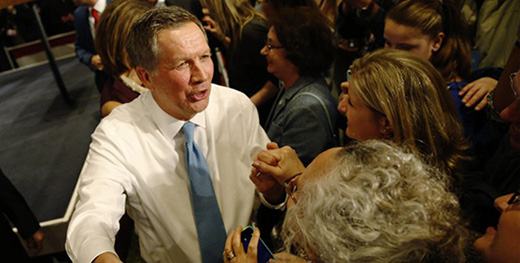

“People, some writers I guess, get that wrong you know,” Tito Francona points out. “Theo and the guys working for him, they’re not in here six times a day with stats telling us what to do. We get stuff before a series begins and it’s valuable. I study it. I do.

“But it’s about more than numbers,” he says. “I remember a few years ago, we’re playing the Yankees on national TV and one of the kids in baseball ops — he’s not here now — says to me about five hours before the game, ‘You got Mike Lowell in the lineup?’ And I say, ‘Yeah.’ And he says he doesn’t do well in the matchup with Chien-Ming Wang, who was pitching for the Yankees.

“I say to the kid, ‘So you don’t want me to play him?’ And he says, ‘Yeah’ and I tell him, ‘OK. Look over there. There’s Mikey Lowell’s locker. He’s over there. You go tell Mikey Lowell he’s not playing in a national TV game against our biggest rival ’cause your fucking numbers tell us not to play him. See what kind of reaction you get from him and then come back and tell me.’ Course Mikey Lowell played that game.

“That doesn’t happen a lot, though. It works pretty well, the numbers stuff and us down here.”

“What are the biggest differences between you and Theo?” Francona is asked.
“There aren’t a whole lot,” he answers. “We talk every day. It’s good. We’re not yelling ‘Shut the fuck up’ at each other either. He knows I value the input I get from him and the guys in baseball ops, but he knows my world down here in the clubhouse is different from theirs.
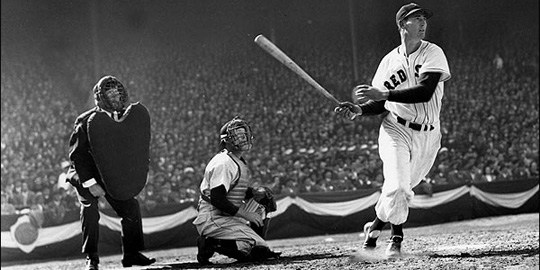
“I get it. He knows I get it. And he knows getting a player in winter is different from getting a guy ready in the seventh inning. In uniform you’re looking at today. Right now.”

Two different worlds. Francona and Epstein. They are characters out of a kind of baseball version of Upstairs-Downstairs the old PBS series about class and expectation. One is Ivy League. The other is Summer League. One grew up dreaming of baseball. The other played it, raised in a house with a father who made a living at it in the major leagues.

Terry Francona is 52 years old, a baseball lifer from New Brighton, Penn., where the median annual family income today is roughly $31,000. The town is 30 miles northwest of Pittsburgh, and it is a place where men worked factory jobs and women knew how to stretch every grocery dollar, day to day, week to week. He went to high school there, attended the University of Arizona, was a 1980 first-round draft choice by the Montreal Expos.

Theo Epstein, 37, grew up in Brookline, Mass., median annual family income, $120,000, in the shadow of Fenway Park. He went to Yale, was sports editor of the Yale Daily News, got a job as a summer intern with the Orioles, parlayed his energy and his instincts into a front office position with the San Diego Padres, came home to Boston when John Henry, Tom Werner, and Larry Lucchino purchased the Red Sox in 2001. Took over as general manager in 2003, a lifelong dream in his back pocket at age 29.

The other day Epstein was sitting in a conference room located in the bowels of the ballpark, in a space that used to be part of an old bowling alley before it and much of the rest of Fenway was renovated and rebuilt under the watchful eye of Lucchino and ballpark architect Janet Marie Smith. He is a confident, disciplined, self-contained young guy, cautious with language and body movement, always alert that in the crazed media atmosphere that surrounds the Red Sox, one dropped syllable or the wrong adjective could put thousands of talk-show callers into crisis mode. In addition to statistics, the semantics of baseball have changed, too, young front-office people far less reliant on one of the locker-room staples of the game: The F-Bomb.

“What do you think Tito said about you?” I ask Epstein.

“Ahh,” he says, “he probably said we worked really well together. That we understand each other and respect the differences between our two jobs, and that he knows I have his back.

On the walls of the conference room were several white-boards filled with names of high school and college players just drafted, along with others to be looked at in fall ball leagues. The future hanging right there. The immediate, game no. 89 on the march to 162, four hours away.

“Actually we’re like an old married couple,” Epstein adds. “I can usually tell from his facial expression what kind of mood he’s in. And there is an element of ‘his’ world versus ‘my’ world in the relationship, but we’ve learned to pick our battles, and as well as I know him he knows me too.

“Communication is different in the clubhouse than it is in a boardroom. The heartbeat that exists in the clubhouse … you don’t find that same type of heartbeat in the front office. There is a cloak of intensity in the clubhouse that doesn’t exist here,” the general manager points out. “There is a little more objectivity here in this office. We see the game at 10,000 feet. Tito sees it 50 feet away. Tito is looking at tonight’s game and those of us in baseball ops, a lot of the time, are looking at the next five years.

“His job is clear: Win tonight’s game. That’s his focus. Ours is that, as well, but the focus is also on the years ahead. That’s the inherent conflict between the two jobs, his and mine. It’s the subjective versus the objective.”

“What did you want to know from him when he interviewed for the job?” Theo Epstein is asked.

“That’s interesting,” he replies. “The big thing was what kind of relationship would exist? Would both of us be willing to say anything to the other without worrying about hurting feelings?”

“Right before I interviewed for the job with Theo, I called Mark Shapiro of the Indians. He’s one of my best friends in baseball and I asked him what I should do,” Tito Francona was saying earlier. “He gave me good advice I still use today. Mark told me, ‘Just don’t try and bullshit him.'”

“It’s become like a family relationship,” Epstein says. “You can’t bury things. We get them out in the open. I recognize the limitations of my view and my background but the two of us work well together.”

Epstein had just returned from lunch with his father, Leslie Epstein, who retired as head of the creative writing department at Boston University. The day before, a 39-year-old Texas firefighter sitting at a Rangers game alongside his 6-year-old son had died after falling out of the stands in pursuit of a foul ball tossed toward him as a generous gesture by Texas outfielder Josh Hamilton.

A dad’s dying young, at a ballpark, his little boy bearing eternal witness, clearly touched Epstein. He is sometimes labeled as cold and impersonal in his approach to whom he wants on or off his roster and what his club’s needs are, but what took place in Texas clearly triggered a reality he knows well: He is a young man living a dream.

“When I heard about that I wanted to have lunch with my dad,” Theo Epstein says. “What an awful story.”

In the manager’s office, Francona, his son Nick constantly on his mind, was attempting to lose himself in the landscape of a baseball game about to be played with the Baltimore Orioles.

“Theo knows,” Francona says with a slight laugh. “He knows he’s already looking at next year’s draft and he knows I’m down here looking at the seventh inning tonight. That’s the game.”

online pharmacy buy cialis-soft no prescription with best prices today in the USA
MIKE BARNICLE FOR TIME MAGAZINE

Screen shot 2010-09-20 at 9.46.25 PM.png

Glaring Omission in Republican Debate: Why So Little Mention of Our Costly War?

By Mike Barnicle

Manchester, N.H. – At ten past eight Monday evening, Michele Bachmann decided to separate herself from the six guys next to her on the stage by telling John King of CNN why she had come to St. Anselm’s College. She did this on the fifth anniversary of a day when a young man from New Hampshire was killed in a war hardly mentioned last night.

“John…I just want to make an announcement,” she said as the first big TV debate among Republican candidates for president began, “I filed today my paperwork to seek the office of the presidency of the United States. . . . So I wanted you to be the first to know.”

King, quite professional, did not indicate any sense of relief upon hearing the news. Bachmann was behind a podium set on a low stage in the college hockey rink. In black suit and high heels she provided some contrast to the six men who looked like they were about to be inducted into the local Rotary Club; smiling, amiable, eager to please and ready to drop the hammer at any given moment on Barack Obama for everything from unemployment to health care to same-sex marriage. The crowd for the debate was middle-aged, white, patriotic and ready to roll for anyone who could convince them that competence could beat charisma in 2012.

Moments before the TV light went on an old guy with a white beard shouted, “Let’s do the Pledge.” The CNN floor producer said, “What?” and the old guy repeated himself, louder: “Let’s do the Pledge.”

“You want to lead it?” the floor producer asked.

“Yeah, “ the old guy said. And he did. The crowd stood, hand over hearts, reciting the Pledge of Allegiance to great applause.

New Hampshire is not that different from 49 other states. Anxiety and apprehension fill the air. Confidence in the country is shaky as people pay over four dollars a gallon for gas, listen to news about staggering debt, watch home prices and wages wallow in the shadow of what sure seems like a double-dip or, at least, a never-ending recession.

In the morning, traffic on I-93 South toward Boston resembles the highway from Baghdad to Kuwait as thousands of New Hampshire residents head to jobs in Massachusetts. The unemployment rate here is merely 4.7%, nearly half the national average but fear is contagious and politics seems to offer little hope as more and more candidates behave like seismographs, reacting to each poll and looking at a future they measure in two or four year increments. What happens in the next election is a larger concern than what happens to the next generation.

On the stage at St. Anselm’s, Mitt Romney, appearing somewhat weary, didn’t have to worry about being ganged up on; the others took a pass on getting personal, allowing Romney to look like the leader of the pack. Newt Gingrich continued a pathetic act, posing as a deep thinker while Ron Paul, Tim Pawlenty, Rick Santorum and Herman Cain merely occupied space on a night when many in the crowd wondered what the score was in a real game being played an hour’s drive south: the Boston Bruins were beating the Vancouver Canucks 5-2 in Game Six of the Stanley Cup Finals.

Of course other numbers were never mentioned: Our exhausted nation has been at war for 10 years. Twenty-three residents of New Hampshire have been killed in Iraq, 13 more in Afghanistan. Hundreds have been wounded, physically as well as psychically, and require costly care that is rarely mentioned by any candidate.

Earlier in the day, before the debate at St. Anselm’s, a car stopped on a bridge on Route 114 near Henniker, about 20 miles from Manchester. There is a sign dedicating the bridge to the memory of Sgt. Russell M. Durgin, 10th Mountain Division, United States Army. He grew up in Henniker and was killed in the Korengal Valley, Kunar Province, Afghanistan. He died June 13, 2006 at the age of 23 in a war that seems to be an after-thought for so many in politics on the fifth anniversary of the day his loss fractured a family forever.

Mike Barnicle Remembers reverend Peter G...
By Jess Bidgood


Mar. 1, 2011

BOSTON — The Harvard community — and people the world over — is mourning the death of Reverend Peter Gomes, the man who ran the university’s Memorial Church for over forty years.

Gomes died Monday night because of complications from a stroke he had in December. He was 68.

The Reverend Peter Gomes died Monday at the age of 68, after a more-than 40-year ministry at Harvard University.

Gomes’ longtime friend, writer and columnist Mike Barnicle, met Gomes because the two would regularly spend early mornings at the same restaurant. “He was an education to sit with, next to, to listen to, a sheer education. Not just in terms of his moral values but his view on the world,” Barnicle told WGBH’s Emily Rooney on Tuesday.

A black, openly gay minister, Gomes was a decided rarity. He came out about his sexuality in 1991.

He was also politically conservative for most of his career, although he changed his political affiliation to Democrat to vote for Gov. Deval Patrick in 2006.

Barnicle said Gomes learned from his own experience being different, and set out to help others with theirs.

“He was was an expert at honing in on the demonization of people,” Barnicle said. “He could see people and institutions being demonized well before it would become apparent tthat they were being demonized.”

That, Barnicle said, gave Gomes a sense of fairness that underguarded his political and religious beliefs.

“It’s not fair to go after people because of who they are, or because of their sexual orientation, or because of their color, or because of their income, or because of their zip code. That’s who he was, he was an expert in what’s fair,” Barnicle said.

Gomes was known for his soaring, intricate speaking style. “I like playing with words and structure,” he said once, “Marching up to an idea, saluting, backing off, making a feint and then turning around.”

“His sermons were actually high theater in my mind,” Barnicle remembered.

Gomes did not leave behind a memoir; He said he’d start work on it when he retired, at 70. It’s a shame, Barnicle said. “We need more of him than just a memoir, we need people like him every day.”

Gomes reflected on his life’s work — and his death — on Charlie Rose’s talk show in 2007.

I even have the tombstone the verse on my stone is to be from 2 Timothy. “Study to show thyself approved unto God a workman who needeth not to be ashamed, rightly dividing the word of truth.” That’s what I try to do, that’s what I want people to thnk of me after I’m gone. When I was young, we all had to memorize vast quantities of scripture and I remember that passage from Timothy I thought, ‘Hey that’s not a bad life’s work.’ And in a way I’ve tried to live into it. So my epitaph is not going to be new to me, it’s the path I have followed in my ministry and my life.

MIKE BARNICLE IN KEN BURNS’ “BASEBALL: THE TENTH INNING,” DEBUTING T...

Mike Barnicle talks about the baseball gloves he’s had since 1954. “The Tenth Inning,” is a two-part, four-hour documentary film directed by Ken Burns and Lynn Novick that premieres this week, September 28 & 29th at 8pm ET on PBS. A new chapter in Burns’s landmark 1994 series, “Baseball,” “The Tenth Inning” tells the tumultuous story of the national pastime from the 1990s to the present day.

Mark Feeney from the Boston Globe says, “Mike Barnicle, who toiled for many years at this newspaper, serves as representative of Red Sox Nation. One of his great strengths on both page and screen has always been what a potent and vivid presence he has.”


online pharmacy order glucophage no prescription with best prices today in the USA