His arrogance is breathtaking – Boston Globe

Biden’s age overshadows his accomplishments

“The coverage of the end of the Biden presidency, is really interesting to me. It’s like going to a baseball game and you watch the game, you drive home, and you say, ‘well that was a good game.’ You get home and you realize, ‘boy that was a great game.’ And what’s happened here in the coverage of the end of the Biden presidency is ...
His arrogance is breathtaking – Boston Globe

Get your money back for delayed flights?

With the holidays upon us, watch this Morning Joe conversation between veteran columnist Mike Barnicle and Transportation Secretary Pete Buttigieg about consumer protections for delayed and canceled flights. “Commercial air travel in America for the average flying customer—people like me—is a nightmare,” says Barnicle. “What c...
His arrogance is breathtaking – Boston Globe

Biden brings prisoners home

Tune in for this Morning Joe segment as veteran columnist Mike Barnicle weighs in on President Joe Biden’s historic prisoner swap with Russia, marking a major diplomatic accomplishment and legacy-defining moment for President Biden less than six months before he leaves the White House. “You had a confident, knowledgeable president of the ...
His arrogance is breathtaking – Boston Globe

80th anniversary of D-Day

During this Morning Joe segment, Mike Barnicle, who grew up in a Gold Star house on a street where the flag flew every day, remembers his many trips to Normandy on this 80th anniversary of D-Day. And host Mika Brzezinski read from a Boston Globe column Mike wrote in 1994 to honor the fallen soldiers. “These are the heroes who all di...
His arrogance is breathtaking – Boston Globe

Each poll is like a sunset

“The interesting thing about polls right now—and it’s the only interesting thing—is that it’s like taking a picture of a sunset, each poll. There’s going to be another sunset tomorrow. Things change. Nobody is paying attention really—other than people like us—to a future election a year away. The interesting aspect of the elec...
His arrogance is breathtaking – Boston Globe

Antisemitism is a disease

Watch this Morning Joe conversation with Joe Scarborough, Mika Brzezinski, Mike Barnicle and Commentary editor John Podhoretz about why antisemitism does not erode and is surging on college campuses and around the globe in the wake of the October 7 massacre in Israel. “This disease—and antisemitism is a disease—why does it linger, r...
His arrogance is breathtaking – Boston Globe

Happy Birthday, Mike!

Please join with Joe Scarborough, Mika Brzezinski and the Morning Joe family to celebrate the “legendary” Mike Barnicle on this special birthday! Share in the memories and well wishes for “one of the greatest columnists of the twentieth century” on his big day. Responds Mike: “At this stage of my life, if I wake up every day, ...
His arrogance is breathtaking – Boston Globe

Sports lessons as life lessons

Tune in for this Morning Joe conversation with author Sally Jenkins about her new book “The Right Call: What Sports Teach Us About Work and Life,” an inspirational and informative look at great athletes who were made not born, who succeed by obsessing over their failures and who practice in the face of resistance—important lessons for us ...
His arrogance is breathtaking – Boston Globe

The “gun virus” that cripples America

“Seemingly we cover these things at least once or twice a week in America. You heard the heart ache from survivors of people who were shot and killed in Louisville. We see it all the time. Because of the nature of the news business, it’s so quick and swift, and things happen so rapidly, we move on from one incident to another, from ...
His arrogance is breathtaking – Boston Globe

Elementary school children in peril

“If you want to witness one of the cruelest changes in our country over the last, I don’t care, 50 or 100 years, take a morning off, Joe, get in your car and follow a school bus, an elementary school bus, and look at the parents as they watch their kids board the bus because you know some of them, maybe most of them are thinking, ‘o...
His arrogance is breathtaking – Boston Globe

Barnicle: There’s a poison in our system as a...

“We live in an age of accelerated pace of events. Something happens, and it’s forgotten two or three days from now. Something horrific could be forgotten in two or three days, and that takes our attention span as a people, as a culture, as a nation, way, way down. People don’t have the attention span that we used to have. So, ...
His arrogance is breathtaking – Boston Globe

Barnicle: “Joe Biden’s Grief Is the DNA...

In his latest column for The Daily Beast titled “Joe Biden’s Grief Is the DNA of His Humanity,” Mike shares a couple of personal stories as examples of how Democratic presidential nominee Joe Biden connects with people, especially in times of loss, when the cameras aren’t rolling and reporters aren’t taking n...
His arrogance is breathtaking – Boston Globe

Mike Barnicle for The Daily Beast

Check out veteran columnist Mike Barnicle’s latest commentary for The Daily Beast in which he dissects and explains President Donald Trump’s “attempt to scare the country” into voting for him during the 2020 Republican National Convention, which was “built around demonization, defining danger in almost clear racial terms, deny...
His arrogance is breathtaking – Boston Globe

Barnicle: “Trump’s Failures Are Erasing the M...

In his latest column for The Daily Beast, “Trump’s Failures Are Erasing the Memory of American Greatness,” veteran columnist and MSNBC Morning Joe contributor Mike Barnicle argues that President Donald Trump’s inability to grasp “loss” has obscured the recollection of a better America and instead has led the country into a dire situation ...
His arrogance is breathtaking – Boston Globe

For The Daily Beast: Teachers Belong in Class...

In his latest column for The Daily Beast, Mike Barnicle, son of a teacher, weighs in on the national debate over whether teachers should be allowed to carry firearms in the classroom. “Teachers belong in classrooms, teaching. Not in coffins, another casualty of a political culture and a Congress so lacking in courage and character that it...
His arrogance is breathtaking – Boston Globe

For The Daily Beast: President’s Day 2018: &#...

In his latest column for The Daily Beast, Morning Joe regular Mike Barnicle writes about the “increasingly deranged” tweets of President Donald Trump and a country let down by the inaction of the country’s chief executive. “This is the first time across all the dust-covered years of our history, centuries filled with courage and hon...
His arrogance is breathtaking – Boston Globe

For The Daily Beast: The Boston Neighborhood ...

“Many have asked and wondered how or why such an exceptional guy like General Kelly would take the task of trying to turn the absurdly incompetent, chaotic Trump presidency into a functioning vehicle. And the answer is simple and obvious: Because he loves this country and does not want to have it fail or falter at the gate of a future fil...
His arrogance is breathtaking – Boston Globe

Lincoln residents to be honored at Boston gal...

Journalist and MSNBC commentator Mike Barnicle and his wife Anne Finucane, Bank of America Vice Chairman, will be honored by Boston Health Care for the Homeless Program (BHCHP) with its 8th annual Tim Russert Award at the Medicine That Matters Gala on Monday, May 15, at the Renaissance Boston Waterfront Hotel. BHCHP President Jim O’Connel...
His arrogance is breathtaking – Boston Globe

For The Daily Beast: A Marine, Gone But Not F...

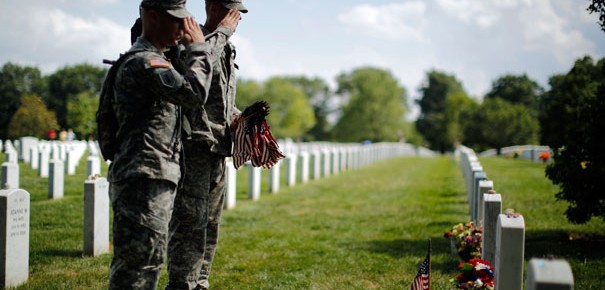
In his latest column for The Daily Beast, veteran journalist Mike Barnicle tells the story of Harry K. Tye, a U.S. Marine finally buried this week at Arlington National Cemetery after he was killed in a war – 74 years ago. “On the night that Pfc. Harry Tye was buried, the President of the United States gathered more than a few Senat...
His arrogance is breathtaking – Boston Globe

For The Daily Beast: Jimmy Breslin, the Peopl...

In his latest column for The Daily Beast, Mike Barnicle pays tribute to legendary New York City columnist Jimmy Breslin, who died Friday at the age of 88. “He stood for the vulnerable and used the voice contained in his talent to call out the political people and anyone else who abused or ignored the poor, the disenfranchised, anyon...
His arrogance is breathtaking – Boston Globe

How I Got Here

The latest episode of How I Got Here features award-winning journalist and Morning Joe regular Mike Barnicle talking to the show’s creators, his son Tim Barnicle and Harry Hill, sharing stories from his youth in Fitchburg to his days in Washington D.C., his years as a celebrated newspaper columnist for The Boston Globe and much more...
His arrogance is breathtaking – Boston Globe

For the Daily Beast: The Dead Patriots and th...

In his latest column for The Daily Beast, Mike Barnicle paints a haunting picture of the harsh, cold reality of war for fallen soldiers and their families – buried in Section 60 of Arlington National Cemetery — to heed a message to President Donald Trump about the significance and responsibility that now rests upon his shoulders as he ful...
His arrogance is breathtaking – Boston Globe

2017 In three words

As 2016 is almost a wrap, the Morning Joe team and frequent guests gave their take on “2017 In three words.” Hear how Mike Barnicle, Willie Geist, Elise Jordan, Donny Deutsch, Mark Halperin, Arianna Huffington, the Rev. Al Sharpton, hosts Joe Scarborough and Mika Brzezinski, and others summed up what may lie ahead. online phar...
His arrogance is breathtaking – Boston Globe

Mike Barnicle remembers astronaut John Glenn&...

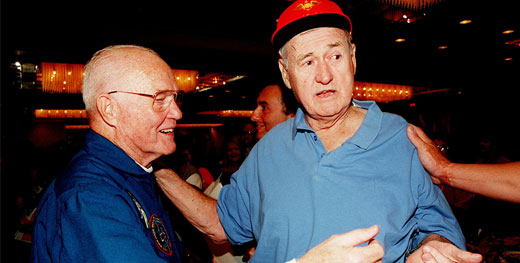
In memorializing astronaut John Glenn and highlighting his longtime friendship with his military buddy, baseball Hall of Famer Ted Williams, Morning Joe senior contributor Mike Barnicle explains: “Ted Williams always said that if he had not been the greatest hitter who ever lived, he would have stayed in the Marine Corps and been the grea...
His arrogance is breathtaking – Boston Globe

For The Daily Beast: Joe Biden—the Closer—Is ...

In his latest column for The Daily Beast, Morning Joe veteran columnist Mike Barnicle writes about his experience as he accompanied Vice President Joe Biden to a rally in Biden’s home state of Pennsylvania. “He is a joyful, hands-on, shoulder-punching, hugging, smiling guy whose idea of a great day is a crowd, an event, a few laughs, and ...
His arrogance is breathtaking – Boston Globe

For the Daily Beast: Take This Quiz Before Yo...

In his latest column for The Daily Beast, MSNBC senior columnist Mike Barnicle asks readers to take a look at the attributes they would want to see in the next president — before they cast their vote. “I don’t want anyone rushing into the polling booth without thinking about the choice,” writes Barnicle. He provides a li...
His arrogance is breathtaking – Boston Globe

For The Daily Beast: I Asked Gary Johnson Abo...

With all the press and social media coverage that followed Libertarian Party presidential candidate Gary Johnson not being able to answer Mike Barnicle’s question on Morning Joe about Aleppo, Mike weighs in on the deeper meaning of the question, putting it into context, and explaining its overarching significance for all the preside...
His arrogance is breathtaking – Boston Globe

For The Daily Beast: John Timoney: A Policema...

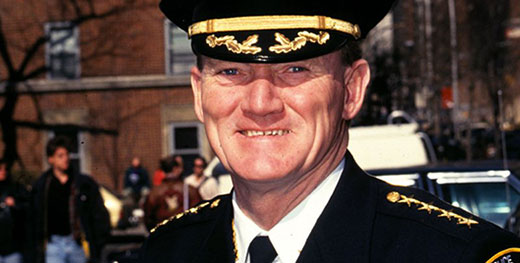
In his latest column for The Daily Beast, Mike Barnicle writes about the extraordinary life of his friend and top cop John Timoney, an Irish immigrant who curbed crime as Chief of the New York Police Department, Philadelphia Police Commissioner and most recently Miami Police Department Chief. Barnicle juxtaposes Timoney’s life and l...
His arrogance is breathtaking – Boston Globe

For The Daily Beast: Does Donald Trump Have a...

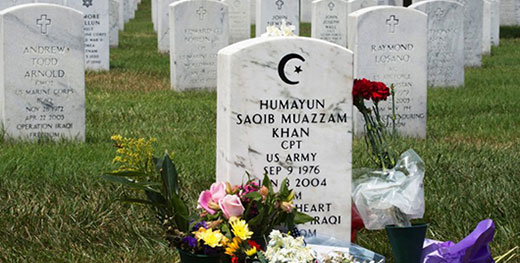
In his latest column for The Daily Beast, Mike writes about Republican presidential nominee Donald J. Trump’s attack on the family of Army Captain Humayun Khan, killed in Iraq in 2004 at the age of 27. Mike writes: “Here in the middle of an American summer one of the candidates to become Commander in Chief has proven with word...
His arrogance is breathtaking – Boston Globe

For The Daily Beast: Donald Trump to America:...

In his latest column for The Daily Beast online pharmacy atarax no prescription pharmacy , Mike Barnicle writes of Republican presidential nominee Donald J. Trump: “He is a Hall of Fame salesman, always pushing the perfect product, the only item that exists in his mind: himself. He views himself as the answer to everything that ails or an...
His arrogance is breathtaking – Boston Globe

For The Daily Beast: In Dallas, Our President...

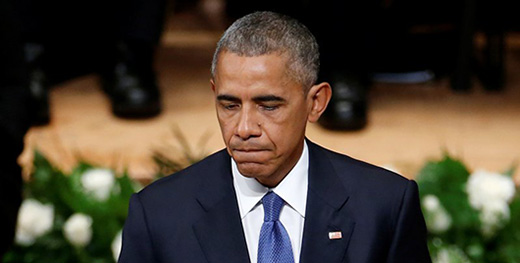
In his latest column for The Daily Beast, Mike highlights President Obama’s moving speech in Dallas “because of gunshots in the night, gunshots fired by a racist, gunshots that killed five police officers and broke another piece of a nation’s troubled heart. online pharmacy desyrel over the counter with best prices today in th...
His arrogance is breathtaking – Boston Globe

For The Daily Beast: The Real Reason We Will ...

In his latest column for The Daily Beast, Mike Barnicle weighs in on the amazing life of the late, great Muhammad Ali and fondly recalls one day 36 years ago, when he spent a day with The Greatest Of All Time. “Muhammad Ali is dead. Who he was and is, a complete man in full, complicated, courageous, charming, multi-dimensional, rema...
His arrogance is breathtaking – Boston Globe

THROUGH HISTORY WITH STYLE

THE BOSTON GLOBE BY MIKE BARNICLE THROUGH HISTORY WITH STYLE Jun 9, 1980 Ali had a cold. It had kept him up most of the night and now, just past 7 on Saturday morning, he was sitting in the kitchen of his friend, George Butler, in Marblehead, holding a bottle of pills in the palm of his hand. “One every 12 hours,” he mumbled. ...
His arrogance is breathtaking – Boston Globe

For The Daily Beast: America Is Still a Gift ...

On this Memorial Day, Mike Barnicle’s latest column for The Daily Beast buy zithromax online buy zithromax online no prescription suggests cutting through the toxicity clogging our collective culture to remember those who died giving back to our country, including his own uncle – the one he never knew – Lt. Gerald J. Bar...
His arrogance is breathtaking – Boston Globe

For The Daily Beast: The Timeless Beauty of B...

In his latest column for the Daily Beast, Mike Barnicle celebrates Major League Baseball’s opening day and reflects upon the enduring allure of the sport. “That’s one of the great gifts of this, the greatest of all games, baseball: it allows you, still, to lose yourself in a dream, to feel and remember a season of life when summer never s...
His arrogance is breathtaking – Boston Globe

For The Daily Beast: What Bobby Kennedy Would...

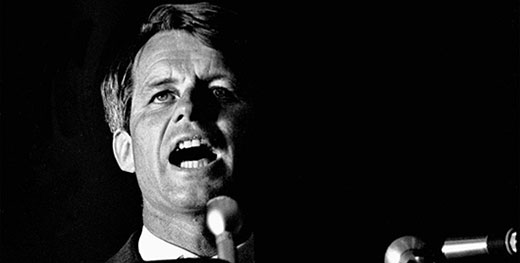
In his latest column for The Daily Beast, Mike Barnicle resurrects a prescient message delivered by Bobby Kennedy to an angry America in 1968 — one that serves as a much needed distinction and reminder of what true leadership and greatness really mean in a time of increasing violent tensions, currently at campaign rallies for Republ...
His arrogance is breathtaking – Boston Globe

For The Daily Beast: The Two Americas Behind ...

In his latest column for The Daily Beast, Mike Barnicle writes about the not-so-surprising success of presidential hopefuls Donald Trump and Senator Bernie Sanders, who are appealing to the prevailing mood of people living in small towns, medium size cities and rural enclaves across America, who have been abandoned or marginalized by the ...
His arrogance is breathtaking – Boston Globe

For The Daily Beast: The Man Who Will Not Bow...

In his latest column for The Daily Beast, Mike Barnicle writes about his first-hand experience during South Carolina’s Republican primary and the rage and despair being fed to voters by most presidential candidates. “Listening to some of the Republican candidates for President is like eavesdropping on men trying to earn their letter sweat...
His arrogance is breathtaking – Boston Globe

For The Daily Beast: They Vote for Trump and ...

In his latest column for The Daily Beast, Mike Barnicle boils down his recent experiences in New Hampshire and highlights the palpable similarities between the supporters of last night’s primary winners, Donald J. Trump and Bernie Sanders. “Both, in their own way, speak to the volatility rumbling beneath the surface of daily l...
His arrogance is breathtaking – Boston Globe

For The Daily Beast: Christie on Rubio: ̵...

Ahead of the presidential primary in New Hampshire on Tuesday, Mike Barnicle’s latest column for The Daily Beast takes a look at the Republican governors on the ballot—Ohio Governor John Kasich, New Jersey Governor Chris Christie and former Florida Governor Jeb Bush—and how their office may help them respond better to voter concerns. R...
His arrogance is breathtaking – Boston Globe

For The Daily Beast: Iowa’s History of Welcom...

In his latest column for The Daily Beast, Mike Barnicle profiles a pocket of diversity in Des Moines, Iowa, leading up to today’s caucuses there. “For weeks now and nearly every day as people finally begin to vote, the one common thread that has united Republicans has been the fear that immigrants are destroying the country, standing in t...
His arrogance is breathtaking – Boston Globe

For The Daily Beast: Bernie Mania is Real and...

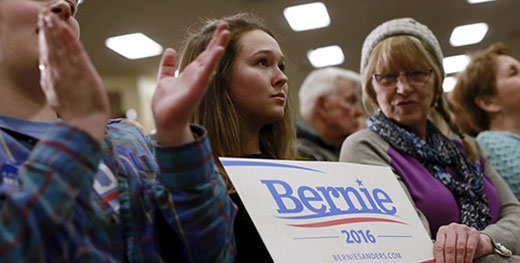
In his latest column for The Daily Beast, Mike Barnicle takes a look at a struggling America—from the dwindling middle class comprised of families living paycheck-to-paycheck to the marginalized residents of Flint, Michigan, who don’t have safe water to drink—and the people finding hope in the presidential campaign of a 74-year-old ...
His arrogance is breathtaking – Boston Globe

Trent Lott & Tom Daschle discuss “...

This Thursday, at the Edward M. Kennedy Institute for the US Senate in Boston, don’t miss Mike Barnicle in conversation with Senator Trent Lott and Senator Tom Daschle. Click here to RSVP: https://bit.ly/1UatHc8 online pharmacy stromectol for sale with best prices today in the USA online pharmacy purchase lasix no prescription with best p...
His arrogance is breathtaking – Boston Globe

For The Daily Beast: Requiem for a Union Boss...

In Mike Barnicle’s latest column for The Daily Beast, he writes about the beloved Boston firefighter and union leader Mike Mullane, who died recently at age 68. Mullane was the longest serving member of the International Association of Fire Fighters. buy orlistat online orlistat no prescription “For more than a decade now, uni...
His arrogance is breathtaking – Boston Globe

For The Daily Beast: My Christmas Wish: Stop ...

In the most recent column for The Daily Beast, Mike Barnicle hopes that the upcoming holiday serves as a much needed reprieve from the cartoonish, yet dangerous, lowest-denominator presidential campaigns of fear that have consumed American politics this year. “Thankfully, it’s Christmas Week, and the fires of their ambition will be ...
His arrogance is breathtaking – Boston Globe

For The Daily Beast: The Only Thing They’re S...

In his latest column for The Daily Beast, Mike Barnicle examines the current culture of fear that has permeated our everyday lives and the people who are pushing it. “We have ‘a clockwork orange’ parade of candidates seeking to capitalize on the legitimate worry many have about where the world is headed. In the days since a matched ...
His arrogance is breathtaking – Boston Globe

For The Daily Beast: Ground Zero For Election...

In his latest column for The Daily Beast, Mike takes a close look at a serious national problem that is overwhelming the small state of New Hampshire—cheap heroin. “The issue of overdoses, death, the availability of heroin and its impact has created a ripple effect on the presidential primary campaign. The immediacy of a needle and a $10 ...
His arrogance is breathtaking – Boston Globe

For The Daily Beast: Will Syria Be Obama̵...

In today’s column for The Daily Beast, Mike ponders whether President Barak Obama’s recent decision to send special forces into Syria will wind up being a lot like the mistake made 50 years ago in another conflict in a far off land. Read the column here. online pharmacy buy sinequan no insurance with best prices today in the U...
His arrogance is breathtaking – Boston Globe

For The Daily Beast: Hillary Clinton, Trey Go...

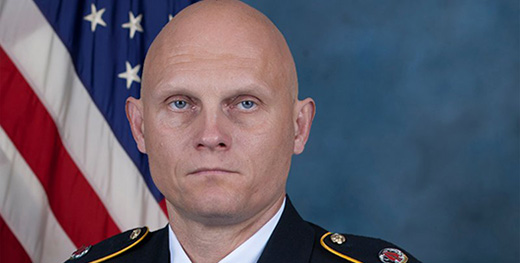
In his latest column for The Daily Beast, Mike shines the spotlight on the true consequences of failed politics and war—most recently personified by the death of Sgt. Joshua Wheeler, a 39-year-old, highly decorated Army veteran of 14 deployments to Iraq and Afghanistan. “It is an old story. Political people give speeches and espouse posit...
His arrogance is breathtaking – Boston Globe

For The Daily Beast: Ben Carson Gives New Mea...

In his latest column for The Daily Beast, Mike Barnicle applies some movie analogies to the latest absurd remarks made by Dr. Ben Carson, the perplexingly popular Republican presidential candidate. “His supporters list several reasons why they would consider voting for him: ‘He seems like a nice man. He speaks softly. He is a ...
His arrogance is breathtaking – Boston Globe

Mike Barnicle’s Advice To Hillary’s Suffering...

Morning Joe’s Mike Barnicle tells Democratic presidential candidate Hillary Clinton how to improve her campaign. Read his recommendation here in The Daily Caller. online pharmacy buy prednisone no insurance with best prices today in the USA https://dailycaller.com/2015/09/15/mike-barnicles-advice-to-hillarys-suffering-campaign-clean...
His arrogance is breathtaking – Boston Globe

For The Daily Beast: What Will Joe Biden Do?

“It seemed like the welcome mat to 2016 was rolled out for the grieving Vice President this week. Will he go for it?,” ponders Mike Barnicle in his latest column for The Daily Beast. Following a moving and insightful interview on “The Late Show with Stephen Colbert” this week, Barnicle continues to cover the topic of whether o...
His arrogance is breathtaking – Boston Globe

For The Daily Beast: As Thousands Drown Tryin...

In his latest column for The Daily Beast, Mike Barnicle reflects on the current immigration crisis across the Mediterranean and Europe—embodied by the recent image of a three-year old boy from Syria lying dead on the beach—and questions whether the U.S. could still be considered a guiding light for the most persecuted and endangered peopl...
His arrogance is breathtaking – Boston Globe

For The Daily Beast: When Will We Take Violen...

In his most recent column for The Daily Beast, Mike Barnicle reflects on violence across this country—from this week’s shocking murders of journalists Alison Parker and Adam Ward during a live morning newscast to the unending homicides witnessed in America’s harshest neighborhoods every day, year after year. “There are blocks upon c...
His arrogance is breathtaking – Boston Globe

For The Daily Beast: Sorry Folks, Donald Trum...

In the latest column for The Daily Beast, Mike explains Donald J. Trump’s familiarity, contrast with fellow candidates, and accessibility with voters, all of which continue to fuel his campaign for President of the United States. “Donald’s success isn’t that much of a mystery. He says a lot of outrageous things along with some truly absur...
His arrogance is breathtaking – Boston Globe

For The Daily Beast: Authentic Biden Vs. Hill...

Amid new speculation that Vice President Joe Biden will make another run for the presidency, Mike Barnicle’s latest column for The Daily Beast takes a close look at VP Biden’s character—one forged by tragedy, loss, family, and faith—and contrasts it with that of Democratic presidential frontrunner Hillary Clinton. “He is, perhaps, the lea...
His arrogance is breathtaking – Boston Globe

For The Daily Beast: Our Cynical Politicians ...

In Mike Barnicle’s latest column for The Daily Beast, he describes the Special Olympics World Games Los Angeles 2015 and the jubilant, all-too-rare example it provides of seeing the world coming together for a common good. Mike reminds us that the greatest disability is fear: “…there were the Iraqis and the Americans, the French, an...
His arrogance is breathtaking – Boston Globe

For The Daily Beast: Trump Awakens Kerry’s Vi...

In Mike Barnicle’s latest column for The Daily Beast, he shines a spotlight on Secretary of State John Kerry’s outrage over Donald J. Trump‘s charge that Senator John McCain is not a war hero. Quoting a conversation with Kerry, Mike writes: “John and I have some serious differences on a lot of things but he is nothing ot...
His arrogance is breathtaking – Boston Globe

For The Daily Beast: The Heroes And Villains ...

In Mike Barnicle’s latest column for The Daily Beast, Mike writes of riding the subway train in New York City: “In addition to being the quickest way to travel to different neighborhoods, (it) is also the ultimate democracy,” Mike also points out the dangers faced by subway passengers on any given moment and the uncertainty of...
His arrogance is breathtaking – Boston Globe

For The Daily Beast: Faith and Grace in the F...

For The Daily Beast today, Mike Barnicle references the forgiveness offered by Nadine Collier to the South Carolina church shooter who took the life of her mother. He writes, “It is easier in many places to get a gun or an assault rifle than it is to obtain a credit card or a driver’s license. And it is not much of a problem to get ...
His arrogance is breathtaking – Boston Globe

For The Daily Beast: He’s the Vice President,...

In his latest column for The Daily Beast, Mike Barnicle captures the spirit in which many mourners came out to support Vice President Joe Biden and his family as they grieve the loss of son Beau Biden. “He is a family man who knows what it’s like to lose something you love in life. I’ve always loved him. He’s one of us. He’s a norma...
His arrogance is breathtaking – Boston Globe

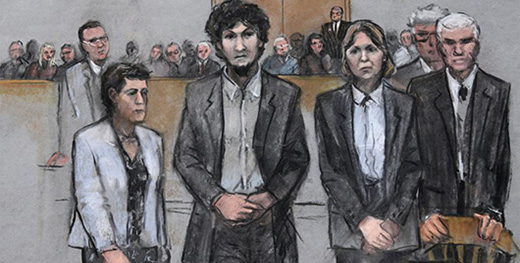
For The Daily Beast: Dzhokhar Tsarnaev: A Dea...

In his latest column for The Daily Beast, Mike Barnicle juxtaposes the lives and death sentences of Pfc. John Hart, 20, killed outside Baghdad, and Dzhokhar Tsarnaev, the now convicted and sentenced Boston Marathon bomber. Unfortunately, it will be Tsarnaev’s name in the news over the next few years, when our focus should be on reme...
His arrogance is breathtaking – Boston Globe

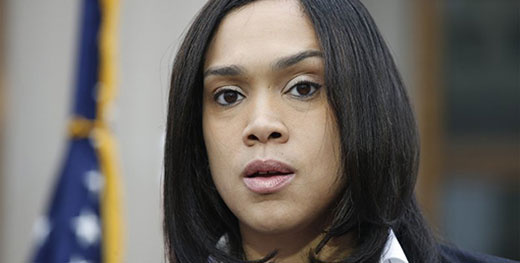
For The Daily Beast: When Marilyn Mosby’s Cou...

Writing for The Daily Beast, Mike tells us more about Baltimore prosecutor Marilyn Mosby, who Friday announced that six Baltimore police officers would face felony charges in the death of Freddie Gray. The young lawyer’s own cousin, Diron Spence, was gunned down more than 20 years ago on the street in Boston. Spence and Gray, both y...
His arrogance is breathtaking – Boston Globe

For The Daily Beast: The GOP Clown Show’s Alt...

Writing for The Daily Beast from Nashua, New Hampshire, Mike juxtaposes the priorities of the GOP presidential hopefuls in town for the Republican Leadership Summit with those of some local residents hopeful for a more optimistic future. online pharmacy order phenergan no prescription with best prices today in the USA online pharmacy inde...
His arrogance is breathtaking – Boston Globe

For The Daily Beast: Why Is The GOP So Angry ...

For The Daily Beast, this Easter Mike ponders why so many Republicans are hopping mad. “The fury of some like Ted Cruz is understandable. It’s fueled by his massive ego and outsized ambition along with his personal belief that he is so smart and the rest of us are so pedestrian that he can manipulate opinion to win the Republican no...
His arrogance is breathtaking – Boston Globe

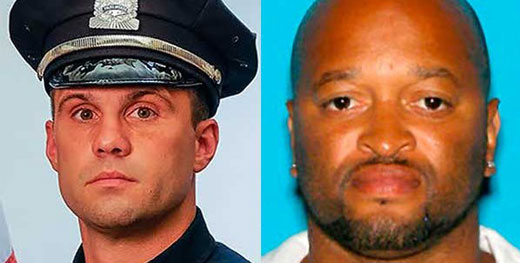
For The Daily Beast: A Boston Cop Shooting an...

For The Daily Beast, Mike weighs in on the tragic shooting of a decorated Boston Police Department (Official) officer this weekend by a career criminal and how the gunfight is viewed by bystanders, despite the camera that captured it all. “The truth today is that one young police officer, brave and without fear, fights for his life ...
His arrogance is breathtaking – Boston Globe

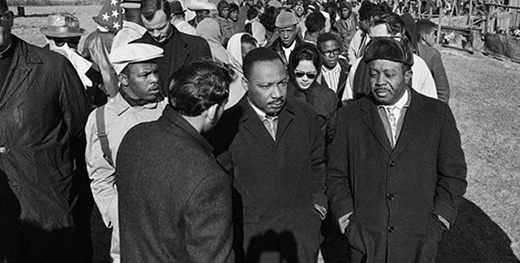
For The Daily Beast: Watching MLK from Vietna...

In his latest column for The Daily Beast, Mike tells the moving story of one marine who knows all too well the long road President Barack Obama was referring to in his speech yesterday marking the the 50th anniversary of Bloody Sunday in Selma, Alabama. https://www.thedailybeast.com/articles/2015/03/08/watching-mlk-from-vietnam-s-rice-pad...
His arrogance is breathtaking – Boston Globe

For The Daily Beast: How We Know Boehner Does...

From the battle to fund the Department of Homeland Security to Prime Minister Netanyahu’s speech and the far-right future of the Republican party, Mike Barnicle tries to make sense of the inner turmoil swarming around Speaker of the House John Boehner (R-OH). “Boehner isn’t crazy. He’s just scared and powerless. He’s frightened [House Rep...
His arrogance is breathtaking – Boston Globe

For The Daily Beast: Rudy Giuliani’s Raging B...

Mike’s latest article for The Daily Beast. He writes about former New York Mayor Rudy Giuliani and his recent self-inflicted knock out. buy phenergan online phenergan no prescription buy https://cosmeticlaboratories.com/wp-content/uploads/revslider/templates/360panorama/imuran.html online https://cosmeticlaboratories.com/wp-content/...
His arrogance is breathtaking – Boston Globe

For The Daily Beast: Kayla Mueller: The Best ...

The 26-year-old aid worker taken by ISIS left Arizona to help a people suffering through civil war. Now, her courage should remind us of all the good we’re still capable of. The 26-year-old aid worker taken by ISIS left Arizona to help a people suffering through civil war. Now, her courage should remind us of all the good we’re still capa...
His arrogance is breathtaking – Boston Globe

For The Daily Beast: What ‘American Sni...

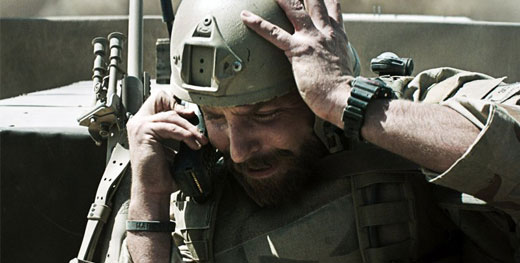
Lost in the right/left debate over the new Clint Eastwood film is how few Americans fought this century’s wars, and how the suffering of their families has often gone unnoticed. During the course of any normal day I usually pay more attention to assembling a grocery list than I do to reading movie reviews, although there are a more than a...
His arrogance is breathtaking – Boston Globe

For The Daily Beast: Meet Cardinal Raymond Bu...

Pope Francis demoted the reactionary Burke, but that hasn’t stopped him popping off about how the Church panders to radical feminism. online pharmacy premarin online with best prices today in the USA Cardinal Raymond Burke is a 66-year-old guy who lives in Rome, dresses like Queen Elizabeth, and talks like someone who majored in misogyny ...
His arrogance is breathtaking – Boston Globe

For The Daily Beast: Extremism Is Our Untreat...

It all started back in November 1979. We couldn’t do much about extremism then, and it seems we can do even less now. By early November 1979, America was exhausted. The ever-shrinking president, Jimmy Carter, had been attacked by a rabbit while running and that July had taken to the television to tell us the country was suffering from a b...
His arrogance is breathtaking – Boston Globe

For The Daily Beast: Mario Cuomo, Always Movi...

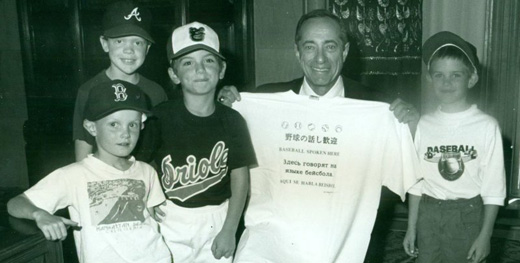
His ambition for himself wasn’t great enough (he should have run!), but his ambition for America was as noble as a politician’s could be. I looked up to Mario Cuomo the first time I ever met him. He was standing in the batter’s box at Joe DiMaggio Park in the North Beach neighborhood of San Francisco on the July morning of the day he was ...
His arrogance is breathtaking – Boston Globe

Mike Barnicle tells the story of the Bedford ...

On Morning Joe, marking the 70th anniversary of the D-Day invasion, Mike Barnicle tells the story of the Bedford Boys, 19 young soldiers from a small Virginia town who lost their lives in the battle that spelled the beginning of the end for Hitler’s Third Reich. online pharmacy order clonidine online with best prices today in the US...
His arrogance is breathtaking – Boston Globe

For The Daily Beast: Any Outrage Out There fo...

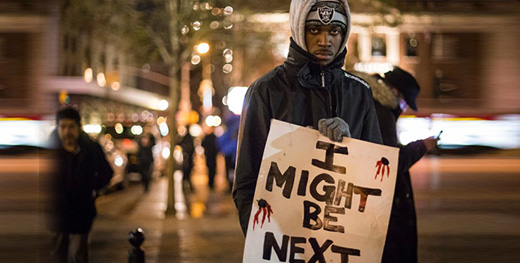
Will those who protested Eric Garner’s death rush to the side of Rafael Ramos’ two sons, or Wenjian Liu’s widow, married only two months? Now, in New York City, where tourists are often surprised by the relative sense of safety on streets and subways, it is Officer Rafael Ramos, 40 years old, and his partner, Wenjian Liu, 32, who cannot b...
His arrogance is breathtaking – Boston Globe

For The Daily Beast: Dick Cheney’s Creepy Tor...

A new movie and a visit to the 9/11 memorial remind us what’s at stake when America doesn’t live up to its ideals. On a Saturday buffeted by a cold December wind, thousands strolled with somber step through one of New York City’s two historic cathedrals. Outside, hundreds more waited patiently in a long line to enter; once inside, their v...
His arrogance is breathtaking – Boston Globe

For The Daily Beast: Human Moments at the Eri...

The story of a mother, her son, the police who protected them, and the peaceful protest that brought them all together. Alice Domingues came through the big crowd gathered last Wednesday night at New York City’s Columbus Circle, a container of Starbuck’s hot chocolate in her right hand as she held her son Micah’s hand even more firmly wit...
His arrogance is breathtaking – Boston Globe

For The Daily Beast: Freedom From Fear for Dr...

Meet the children at a small Catholic school in Massachusetts who will directly benefit from President Obama’s executive order. So here they were, some of the people Barack Obama was telling the country about Thursday night, seated, smiling, clearly happy, and outfitted splendidly in the first-grade classroom at Lawrence Catholic Academy,...
His arrogance is breathtaking – Boston Globe

For The Atlantic: Postcard From New Hampshire...

Riding around Manchester with Lou D’Allesandro as he rounds up votes and frets over Senator Jeanne Shaheen’s chances against Scott Brown MANCHESTER, N.H.—Here he is in his campaign headquarters, the front seat of his Toyota Camry, driving along downtown Elm Street, past banks reluctant to lend, storefronts somewhat empty, and ...
His arrogance is breathtaking – Boston Globe

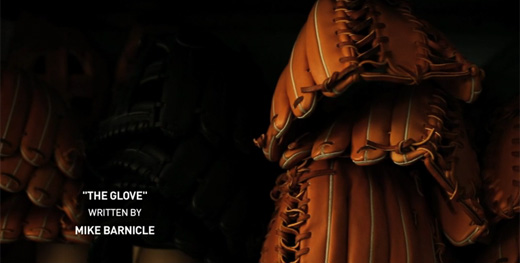
‘The Glove’ narrated by Robert Re...

online pharmacy buy trazodone no prescription with best prices today in the USA online pharmacy purchase topamax online no prescription Inspired by an essay by Mike Barnicle. Produced by his sons Nick Barnicle, Colin Barnicle and colleague Jeff Siegel. Narrated by Robert Redford. A winning combination to commemorate the 4th of July holida...
His arrogance is breathtaking – Boston Globe

IN A SPECIAL MORNING JOE PROGRAM ON D-DAY: A ...

In a special Morning Joe program on D-Day: A Celebration of Heroes, Mike speaks with 94-year-old veteran Lawrence Brannon from Morristown, TN, whose days have been forever shaped by what happened in Normandy seven decades ago. “It was…hell,” says Brannon. “I lived 1,000 years that day.” Adds Mike: “Those who died in Europe ser...
His arrogance is breathtaking – Boston Globe

MIKE JOINED ESPN RADIO’S THE SPORTING LIFE TO...

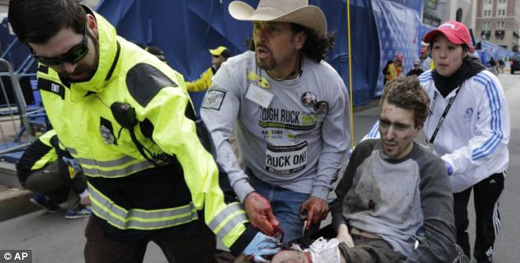
Mike joined ESPN Radio’s The Sporting Life to reflect upon the one-year anniversary of the Boston Marathon bombings. “There are going to be a lot of poignant moments at the conclusion of this year’s Marathon. Obviously many people will be thinking about those who died…but more specifically [about] the youngest…of the victims. Martin...
His arrogance is breathtaking – Boston Globe

A Year After Bombings, Boston Comes Back R...

> This is WEEKEND EDITION from NPR News. I’m Scott Simon. Boston Strong has become an American phrase over the past year after bombs exploded at the finish line of last year’s Boston Marathon. Three people were killed – Krystle Marie Campbell, who was 29, Lu Lingzi, a graduate student from China, and Martin William Richa...
His arrogance is breathtaking – Boston Globe

The Timeless Beauty of Baseball

online pharmacy buy reglan without prescription with best prices today in the USA Put on a glove, watch a game, and the years fall away, time stands still, and the joy of baseball reminds you again of life’s eternal sweetness. It could be in a bottom bureau drawer beneath some old tee shirts, sweat pants that no longer fit or laundered dr...
His arrogance is breathtaking – Boston Globe

BARNICLE BROTHERS’ ONE FUND CHARITY VID...

By Jason Mastrodonato / MLB.com online pharmacy revia with best prices today in the USA BOSTON — Brothers Colin and Nick Barnicle have long been in the field of video production, where they’ve found plenty of success and gratification, including “Down the Line,” a behind-the-scenes documentary on Boston’s Fen...
His arrogance is breathtaking – Boston Globe

IRAQ WAR AT 10

Early Wednesday, the day after the nation paused to remember a war that began exactly a decade ago, the grass and ground in Arlington National Cemetery was still soft as a sponge from the rain that fell Monday evening. As always, it was quiet as a cathedral with the only noise billowing from passenger jets that leaned into the cloudless s...
His arrogance is breathtaking – Boston Globe

A PROMISE TO THE CHILDREN OF NEWTOWN

Now we witness a regiment of the wounded, the survivors, burying a whole company of the young dead in a small New England town filled with a grief that simply cannot be measured. Monday’s dead babies were Jack Pinto and Noah Pozner, both 6 years old. Tuesday’s funerals saw James Mattioli and Jessica Rekos, again, only 6, their small coffi...
His arrogance is breathtaking – Boston Globe

ONE DEATH IN AFGHANISTAN: BEN SKLAVER’S STORY...

Last week, Laura and Gary Sklaver buried their oldest boy, Ben, who was 32 when killed by a suicide bomber in the remote village of Murcheh in the distant land of Afghanistan. Ben was a captain in the U.S. Army. Now he has become one of 804 Americans, 37 from Connecticut, to lose their lives in an expanding war that belongs mostly to the ...
His arrogance is breathtaking – Boston Globe

Tito and Theo – Grantland

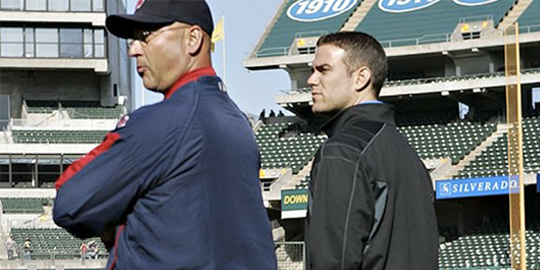
Tito Francona is tired. He is sitting at his desk in the manager’s office located at the far end of a small locker room in a ballpark — Fenway Park — approaching its 100th birthday. He is wearing white uniform pants, a red hot-top and black spike-less athletic shoes, a Red Sox cap on his hairless head. And he is staring at a cluster...
His arrogance is breathtaking – Boston Globe

The Afghan War Through a Marine Mother’s Eyes...

Mélida Arredondo, of Roslindale, Mass., center, holds boots worn by her son, Marine Lance Corporal Alexander Arredondo, who was killed in Iraq in 2004, as she joins demonstrators in Boston Dec. 2 in opposition to President Obama’s plan to commit an additional 30,000 troops to the war in Afghanistan. Josh Reynolds / AP Nearly everyth...
His arrogance is breathtaking – Boston Globe

Barnicle on Kennedy: Of Memory and the Sea – ...

Here was Ted Kennedy, 74-year-old son, brother, father, husband, Senator, living history, American legend. He was sitting on a wicker chair on the front porch of the seaside home that held so much of his life within its walls. He was wearing a dark blue blazer and a pale blue shirt. He was tieless and tanned on a spectacular October morni...
His arrogance is breathtaking – Boston Globe

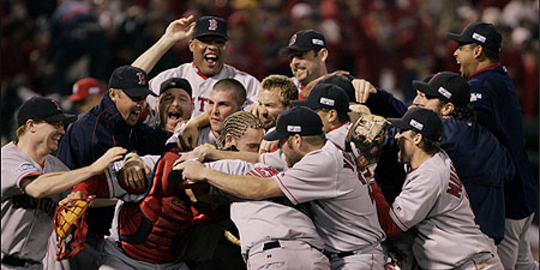
Boston getting used to idea of beating New Yo...

How did this happen? Was there a specific date, a single event that erased the burden of history and allowed the weight of municipal inferiority to be lifted from the shoulders of every fan in New England who has been witness to decades of humiliation delivered by New York teams? Think about it. Saturday, the Patriots play the Giants at e...
His arrogance is breathtaking – Boston Globe

When murder’s not enough; Grim details just w...

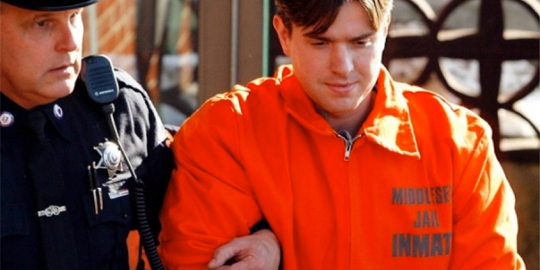
  This time, homicide came to a quiet cul-de-sac in a peaceful suburb, apparently driven by a growing wave of debt built on delusion that collapsed into a despair so deranged that the only escape route Neil Entwistle could allegedly think of was to grab a gun and kill his wife and 9-month-old daughter as both slept in a rented home o...
His arrogance is breathtaking – Boston Globe

A Bit of Humor Goes A Long Way – Boston Globe...

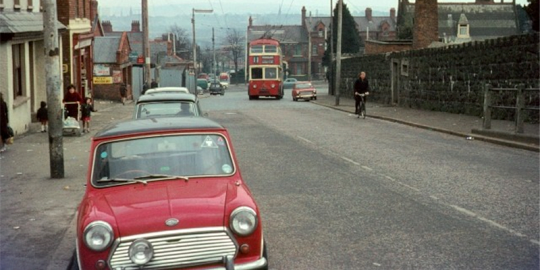
BELFAST — It is a balmy, lemon-yellow evening and I am standing outside a large glass and cement structure called Waterfront Hall, completed last year along the River Lagan in Belfast where people have the capacity to loathe a stranger based solely on beliefs or a baptism. Community input here means a funeral or a fire, yet it occurs to m...
His arrogance is breathtaking – Boston Globe

Getting a fix on the real thing – Boston Glob...

  Like most major American cities, Boston is like a layer cake. Some elements are as obvious to the eye as frosting while others remain obscured by simple geography. Yesterday, for example, a gray Monday, if you walked from the Public Garden to Kenmore Square and back along Newbury Street you could easily think the city was filled by...
His arrogance is breathtaking – Boston Globe

Silent Dreams Coming True – Boston Globe

  Hong’s incredible journey began on the day 11 years ago when he sat confined to the dust of his fishing village near Can Tho in Vietnam and suddenly heard someone mention America. Of course, Hong did not actually hear what the person was saying because he has been deaf since birth. But he sure did understand the primitive sign lang...
His arrogance is breathtaking – Boston Globe

Firefighters’ heroic effort in blaze that cla...

“I was driving the chief,” Walter Cobe was saying. “We got there just as Engine 48 pulled up. It was maybe three or four minutes after the alarm was sounded. I jumped out of the car and one of the people standing outside said there was kids still inside so I went right up the ladder.” online pharmacy lariam buy wit...
His arrogance is breathtaking – Boston Globe

A HERO IS FOREVER

When the old man swung the imaginary bat through the fresh air of a clear, sunlit afternoon, the weight and dust of all the years fell away like marbles toppling off the edge of a three-legged table. Adults clapped. Little kids hung from the rail and sat atop a parent’s shoulder. Some men and women, of a certain age, and with a cert...
His arrogance is breathtaking – Boston Globe

We died for the 4th of July – Boston Globe

  It’s the Fourth of July weekend. A time when much of America marches and sings and stops to do all sorts of different things for all kinds of reasons. Where are you today? At the beach? On the front step? Down the Cape? Up in Vermont? Just sitting around the house hoping the sun will clear that clutter of clouds and provide you wit...
His arrogance is breathtaking – Boston Globe

The clock takes a holiday at Fenway – Boston ...

  Baseball is a game of memory, and it returns tomorrow to a place where grass has not yet given way to a carpet. It comes home to a green haven filled with reminders of both heartbreak and happiness, a ballyard called Fenway Park where the cargo of past athletic time refuses to yield to sports’ current themes of greed and arrogance....
 
 
Mike Barnicle's Work | News
MIKE BARNICLE IN THE BOSTON GLOBE: Kempton’s World

BOSTON GLOBE

May 8, 1997

online pharmacy buy wellbutrin no prescription online pharmacy

In the days before curiosity died — killed by TV and a dwindling attention span — imagination and a wider world arrived in two basic forms and cost about five cents. Daily newspapers and voices over any radio walked readers and listeners through murders, wars, ballparks, different cities and foreign countries as well as intricate universes woven by electronic neighbors like Sam Spade, The Shadow, and Dick Tracy.

It was a world of bulletins and breakfast-table talk where the dated phrase “Stop the presses” actually meant something significant had just occurred. It is hard now to believe but life was so much simpler then that it could take hours, perhaps a day, to learn that MacArthur got fired, Bobby Thompson homered, Sam Sheppard was guilty, or Ike was hospitalized with a heart attack. CNN was something out of science fiction Impressions — visual as well as verbal — meant more and lasted longer. Travel was defined as leaving the block and few could measure events beyond the borders of small, proud lives bounded by the bus stop and the bedroom, so the captains of any voyage became people like Walter Winchell, Harry Wismer, Curt Gowdy, John Cameron Swayze, Bob Considine, Westbrook Pegler, Bill Cunningham, Red Smith, Jimmy Cannon, and Murray Kempton.

Kempton died the other day in New York. He was 79 and had been writing for newspapers for 60 years. Most of you probably never read a line he wrote because the bulk of his work was largely restricted to five boroughs of the big town with all the bright lights. And to those familiar with the man’s constant efforts, I bet there was a part, perhaps a paragraph or two, of any Kempton piece that felt like homework because it was heavy and made you pause and go, “Huh?”

That’s because Kempton was different: He was thoughtful. In a business where so many occupy the pages and airwaves of our life simply to beat the same drum loudly, over and over, Murray Kempton was a symphony all by himself. Who else could describe Walter Reuther, the late head of the United Auto Workers, as a guy “capable of reminiscing about the future?”

While the media have become magnets for boasters and shameless self-promoters, Murray Kempton managed to present his audience a daily gift of modesty married to insight. In the introduction to a collection of his own essays on the 1930s, he wrote: “I have my own stake in the thirties. I was in high school when Roosevelt was inaugurated; I belonged for a little while to the Young Communist League . . .

“The thirties were a part of my life like any other; I am aware that there are things in it for which I must apologize; I am also aware that in the whole of my life there will be many things for which I must apologize, under what have to be compulsions stronger than a Congressional subpoena.”

The final time I saw him, he was standing on a street corner in the sultry dusk of a July evening last year near the federal building in lower Manhattan. A greeting quickly became a conversation that encompassed topics ranging from his respect for the honesty of Jim Kallstrom, an assistant director of the FBI, to his admiration of Bob Dole’s integrity, his disgust at Bill Clinton’s charming duplicity, and his fondness for those in his newspaper life who remained attentive and eager for each day’s developments as a chance to educate, entertain or inform a reader, rather than assassinate a subject.

buy robaxin online buy robaxin online no prescription

The last time I spoke with him, in January, he was thrilled that Pete Hamill had taken over the New York Daily News. Hamill was an unusual pick as editor, chosen at a period when more and more media conglomerates are managed by accountants thrilled to hire those who seem incapable of curiosity and write with a trowel, their sentences totally interchangeable with the copy of a Ralph Lauren ad.

Murray Kempton was a warm and generous soul. He represented honor in an industry quaking beneath the weight of whores, in it only for ego, riches, prizes, or the kill. He would have been pleased by Hamill’s latest novel, “Snow in August,” because the book captures the magic of a childhood Kempton represented each time he tapped out a column: Simply a wonderful story and well told.

An argument can be made today that there is no more “news” in the shattering sense of decades past; there is only a constant coverage of process, procedures, and trends. And with Murray Kempton’s death, you sure can make a solid argument that there is far less elegance and genteel wisdom on our printed pages because a great man is gone.

online pharmacy buy glucophage online no prescription
MIKE BARNICLE: IN THE BOSTON GLOBE Dateline South Boston

BOSTON GLOBE

March 27, 1997

One of the babies who represents the future for these young girls pushing a carriage instead of carrying books was being wheeled down Mercer Street in South Boston yesterday by her mother, who is not quite 17. The mother was white and the infant a wonderful shade of mocha, which sure made her beautiful but appears not to have inspired much glee in the household where she is being raised.

“My boyfriend’s black,” the girl pointed out. “And my mother hates him. She don’t hate the baby, but she hates what happened, you know In projects like D Street and Old Colony, there seems to be a significant increase in the number of interracial infants born to white teenagers. Many of these girls drop out of school prior to giving birth and try to raise their own baby in the same apartment where they had been attempting to grow up when a pregnancy interrupted the process.

“There are quite a few white girls having babies with black and Hispanic guys here,” one of the police who specializes in South Boston project life was saying yesterday. “It’s a good news-bad news story: The good news is that race is not the factor in these kids’ lives that it was — and is — for a lot of their parents. Kids don’t have the same hangups as adults. Kids don’t go around talking about what busing did to their town. That was 20 years ago. They weren’t even born.

“The bad news is it means the end of the line for the girl: dropping out of school, no job, raising a kid where her mother, father, too, if he’s around, can’t stand looking at the baby because the baby’s not white.”

online pharmacy buy zantac no prescription pharmacy

Yesterday, the girl pushing the stroller had a plan: She intended to walk to Rotary Variety for milk and then visit a friend on Silver Street. Her plan was built around the premise that she should try to remove herself and her child from the apartment for at least five hours. Kind of like a job.

For some, the increase in interracial children represents another assault on “The Town.” South Boston has been staggered by suicide and drugs. One — kids killing themselves — is a shock. The other — cocaine and heroin — is an old habit, narcotics having been easily available there for a long time.

At a community gathering the other evening, a suggestion was made that more police were needed to fight drugs and restore the mythic sense of “neighborhood.” But the statement was made in a section of the city no longer immune to social conditions that cause deterioration: alcoholism, addiction, AIDS, teenage pregnancy, illiteracy, poverty, unemployment, fractured families and rampant rates of divorce or abandonment.

Yet police alone cannot do the job. Nor can schoolteachers, priests or social workers. The type of work necessary can only be accomplished by a parent, and in the projects of South Boston, like projects everywhere, too many parents are poor or ill-equipped for the task or juveniles themselves or AWOL from responsibility. To ignore this is ludicrous.

“It’s a bizarre form of equality,” the police officer was saying. “And it’s filled with irony. Many of the white kids in D Street or Old Colony are in the same position as a lot of black kids in Roxbury and Dorchester: They have no shot and they know it by the time they’re 15.

“They’re poor. For a lot of them, there isn’t a parent around. They don’t go to school, so they do whatever is free and feels good.

“Now what can 100 more cops do about that? We can patrol. We can investigate. We can arrest. We can get a warrant and go in an apartment but we cannot go inside someone’s head and force them to change their behavior.

“And it’s not just cocaine taking a toll on South Boston. Look around and you will see more bars, taverns and package stores in this community, per capita, than probably anyplace else in the city. You fall down drunk and people think it’s funny, actually kind of normal. You overdose and it’s a tragedy, but they are both addictions and there are plenty of addicts to go around in this town.”

Still, some in South Boston seem amazed at the ages of the desperate or those already dead by their own hand. And the enormity of the problem is such that others either refuse to recognize it or mistakenly feel that it is restricted to project life where a baby can face a bleak future because its very existence serves as a reminder of failure rather than a source of joy.

buy zoloft online zoloft online generic
MIKE BARNICLE IN THE BOSTON GLOBE: Ted Was There When It Counted MIKE BARNICLE I...

Phew! Good thing Ted Kennedy didn’t decide to throw his weight around the other night because then he would’ve absolutely crushed Mitt ”I’m Talking As Fast As My Nervous Little Motor Mouth Will Move” Romney. That collision would’ve looked as if an 18-wheeler loaded with dumpsters had plowed into one of those teeney-weeney old Nash Metropolitans. As it was, he slapped him silly. Kennedy slam-dunked the bragging Boy Scout from Belmont so often that The Mittster is down to a couple of options prior to tonight’s debate: Either jump-ugly at the senior Senator over, ahh, the character issue, or cut his losses and save a pile of dough for another run at another time because this one is halfway through that last revolution in the toilet. How quickly things change.

Seems like it was only days ago that all the haters and a lot of the professional thumb-sucking pundits were writing Kennedy off. He was too old, too fat, too dumb, too tongue-tied, too entrenched, too isolated, too removed, too arrogant, too elitist, too tied in to the status quo to win anything.

Listening to them, you half-expected Kennedy to walk out on stage at Faneuil Hall, peer at the crowd and holler: “This Bud’s on me.” Or maybe demand that the moderator hit him with a pinch and a couple of cubes.

A funny thing happened, though: Romney arrived with a knot the size of an official NBA basketball right where he fastens the top button of his hand-made shirt.

He is a nice fellow, a pleasant man. He is handsome, polite, glib, smiling, smart, rich, goes through life without a single hair out of place, waves at poor people one day a week and thinks a walk on the wild side means drinking a cherry Coke.

However, he has no idea how much his health plan will cost taxpayers and sure isn’t responsible for anything that occurs at some plant he helped purchase. Why should he know that? He’s only the owner.

Kennedy, on the other hand, has managed to become a somewhat sympathetic figure. Before Tuesday, many observers were convinced the night would be a disaster for the senator, whose use of language manages to make the late Frank Fontaine or Professor Irwin Corey sound like Abba Eban or Adlai Stevenson.

They were ceding the thing to Romney on appearances alone. His waist size equals the number of years Kennedy has served in the US Senate. He has never suffered so much as a pimple, never mind any personal pain and, according to his own answers, he is pretty much without a flaw.

Meanwhile, the negative build-up and dread surrounding Kennedy’s difficulty in finding verbs to go with nouns and objects, plus the added burden of putting action words in their proper place throughout a spoken English sentence, so lowered the expectations that the mere fact he didn’t fall off the stage into the audience was a victory.

And you know what? It was great. It was a victory for old guys, for out-of- shape guys, for guys who are counted out before the bell, for guys folks figured would never hit in the clutch.

Ted Kennedy won because he is stubborn in his beliefs. You may not like his views, and you may not like him, but at least he’s not running around suddenly seizing upon the electric chair or welfare cheats as the trendy ticket he needs for a return trip to the Senate.

He’s the government guy, the go-to-guy when you’re looking to have the feds pick up the cost of 16 additional weeks of unemployment compensation, get you the extra bounce in child care and Head Start appropriations, get money back from Washington to help lower astronomical MWRA water bills. Maybe you think stuff like that is a bunch of liberal horseshirt.

online pharmacy kamagra-oral-jelly for sale with best prices today in the USA

He doesn’t. He makes no apologies for who he is and what he believes. He has a philosophy that isn’t pushed around by pollsters. Perhaps some of it is dated, but the man is consistent.

He’s 62 and looks it. He has lived through a cargo of grief, and inflicted a lot of it upon himself. He has had some terrible difficulties and they have not been hidden. His life has been a long, public sorrowful mystery of the rosary.

Ted Kennedy is many things, but none of them is a secret. He might be in the back of his van this morning eating quarter-pounders and fries between every stop and it wouldn’t go unnoticed. (I never thought ears put on weight until I saw his on TV Tuesday.) Why, if you put Bill Parcells and Kennedy on either end of the Boston Public Library, they could serve as human bookends for a whole building.

For a long time, people were down on him, figuring he was afraid to take his turn at bat against a formidable young foe. Well, the other night Ted Kennedy gave the young guy a good old-fashioned arse-whipping because he still wants to win.

AMID THE GRAVES, GRATITUDE LIVES ON

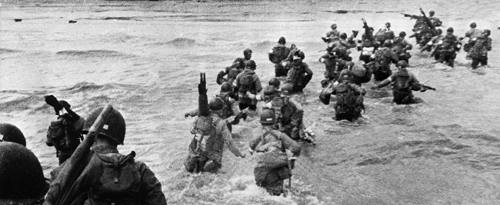
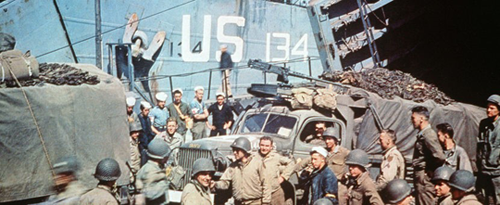
American troops land on Normandy beaches during the historic D-Day, June 6, 1944.

Getty

online pharmacy zocor buy with best prices today in the USA

The Boston Globe

June 7, 1994

By Mike Barnicle

ST. JAMES, France – On a stunning, cloudless afternoon, when the green grass of the low, rolling hills flowed like a brilliant emerald wave in the soft breeze, a long ribbon of schoolchildren marched in procession to honor 4,410 American boys buried beneath 28 acres of French soil liberated with their blood 50 summers ago.

More than 4,000 boys and girls had been summoned from this agricultural region 12 miles from the Normandy coast and they all walked in silence, each carrying a white cardboard box containing a single white dove.

It was well before the pageantry involving world politicians began yesterday at places named Pointe du Hoc and Omaha Beach, and there were no famous people present to give speeches. Instead, farmers and office workers, housewives and schoolteachers, young French families and frail grandparents came by foot and by car from miles around to pray, stand or simply stare at the graves of so many assembled strangers whom they never knew, never met but never forgot.

In the blue sky above the startling cemetery, a lone French paratrooper dressed in the uniform of the 82nd Airborne drifted lazily down to the sacred ground below. As he landed, a little girl took his hand and led him toward the chapel at the edge of all the marble headstones where the two of them joined the mayor of St. James several local dignitaries and a few members of the French and American military as they saluted history’s fallen legions.

A band played the national anthems of both countries. Then the children, one by one, stood alongside all the stone monuments and placed a lovely, lonesome daisy on top of every grave. All was quiet as the children opened the boxes and momentarily held the doves in innocent hands before releasing them in unison, the white birds soaring off in squadron toward England and ports all these brave dead boys sailed from at the start of their last summer, 1944. from Massachusetts. And their names represent a unique cultural tapestry. In death they blend together, all of them beyond prejudice, envy or the resentments that often weigh us down today. A few of them were: Douglas Perry, Robert Cahill, Ralph Parenteau, Robert Lamb, Vartan Panagian, James Huard, Alfred Cloutier, Herman Lindsey Jr., William LeClair, Clifford Oliver Jr., Walter Potter, Carl Savlone, James Starr, Joseph Tuohey, William Walsh, Edgar Whittaker, Daniel Esposito, Lucien La Croix, George Nawn, Thomas Duffy, Stephen Jakstis, Frank Mello, Bronis Lipskis, Michael Halprin, Nathan Gurwitz, Edward Drakopolos, William Breed, Neil Manning, Francis X. Kelly and Earnest W. Prussman from West Newton who, on Sept. 8, 1944, won the Medal of Honor when he destroyed two German machine gun bunkers before being killed by enemy gunfire.

online pharmacy buy wellbutrin with best prices today in the USA

You wonder now, all these years later, what the dead might have done: Who among them would have been doctors saving lives, teachers strengthening young minds, laborers building roads and cities, homes and highways, farmers growing crops, salesmen, police, firefighters. You wonder about the children some of them left and the families they were denied. You wonder about the parents of the 20 sets of brothers buried here, side by side, and how anyone could ever handle such great eternal grief.

These are the heroes who all died young. They missed sunsets and baptisms. They went without 50 World Series and 50 New Year’s Eves. They never stood at the door, anxiously waiting for a daughter’s first date to arrive or witnessed their kids’ junior proms and college graduations. They never saw men landing on the moon or a fax machine. They were not allowed to walk on a beach with the girls they loved or hold the hands of grandchildren who would have asked about their great crusade.

In our increasingly selfish country where everything and nearly everyone is part of some special interest, where defining any enemy or current threat to live or moral values is as difficult as peering through the murky fog that envelops this French coast, it is stunning to realize that these 4,410 and millions of others sailed to certain danger with no thought of conquest or profit. They came because they were asked and because they were needed.

And today the French here do their best to remember. The local people, far from the glamour of Paris, live in an area of centuries-old villages where nearly everyone still depends on the land. These citizens are the French equivalent of our Midwesterners, open, honest and grateful for what they have been given.

For the past few weekends, they have come in droves to the American cemetery. While D-Day has become a television spectacle in the United States, these simple folks who manage to get by without 100 cable channels, CNN, MTV, microwaves and ATM machines on every block recall their history and those who helped them. Unlike so many of us at home, geography never insulated them from sacrifice.

Now, as the sun began to set, the people began to leave the cemetery in groups of twos and threes, quietly, with respect, the way you would leave a church or temple after prayer. And as they headed toward their cars and homes and their rural lives, the only sounds in the gathering dusk were the bark of a single dog, the crowing of a rooster somewhere in the distance and the rustle of the wind that provides these boys eternal companionship

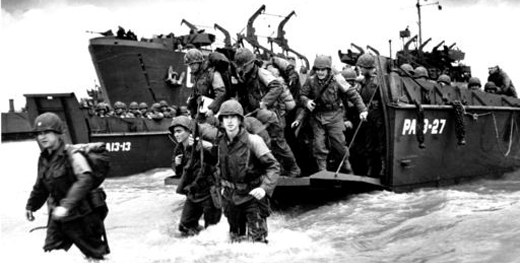
D-DAY: THE HEROES REMEMBERED IN NORMANDY, VETERANS RETRACE THEIR CRUSADE

US soldiers gather around trucks disembarking from landing crafts shortly after Allied forces stormed the Normandy beaches, June 6, 1944. 

Getty

The Boston Globe

June 5, 1994

By Mike Barnicle

STE. MERE-EGLISE, France – “Where is Robert Murphy?” the old trooper asked.

“He will be here soon,” the woman in the shop told him. “He comes all the time. He is like one of us. Wait, you’ll see.”

The man’s name was William Lundquist. He is 71 and he stood straight as a sentry in the raw drizzle yesterday at the end of a narrow alley between two homes directly across the village square from where American paratroopers of the 82d Airborne Division dropped from the sky just after midnight, June 6, 1944, to liberate first a town and, inevitably, a whole continent.

Lundquist, originally from Hartford, was with the airborne, but yesterday he stood beneath a street sign halfway up the cement wall that read: “Rue Robert Murphy.” The 100-yard length of pavement is named after Bob Murphy who, at 18 on that dark night half a century back, had come all the way from Boston to tumble out of the darkness and into the rescuing limbs of a huge, sprawling chestnut tree within the walled courtyard of Madame Angele Levrault’s backyard. She was the town teacher, and when Murphy hit the ground, Madame Levrault ran frightened from the outhouse that is still here, next to a basketball court where children clad in Nike sneakers and sweatshirts play.

Murphy is a 68-year-old Cape Cod lawyer. He is famous throughout this peaceful village. And Bill Lundquist, whose life after war took him all the way to California and decades of steady employment in the aircraft industry, had been waiting patiently to meet him. Both men and thousands of others – American, British, Canadian and French – were all over the Normandy coast yesterday, saying hello and saying goodbye. They had come to recall and reflect upon that great and awful moment when freedom was purchased at a huge cost on D-Day. All of them are old and somewhat gray now, some limp, some wrestle with the emotion of the moment as they stare at a remarkable scene through history’s wounded eyes. They are not here for any speeches or applause. They have, instead, come to stand on the stage one final time and take their generation’s last bow. For those who suffered, struggled and sacrificed here, the anniversary at Normandy is their curtain call.

“I was 19 years old,” Morley Piper remembered. “I was a platoon leader with Charlie Company, 3d Battalion, 29th Infantry Division. We landed on Omaha Beach and I still remember the noise and the light from the ship’s batteries behind us as we came in. It was something to see.”

Piper lives on the North Shore and is an executive with the New England Newspaper Association. He grew up in Canton, Ill., a place of 10,000 people where the bitter hand of the Depression still clung to the economy like a strangler’s claw when Piper enlisted in the United States Army.

“It was a different, a different country,” he pointed out. “As a matter of fact, when I signed up, so did my father. They were taking them as old as 40 and he joined right along with me. He served stateside. That’s the way it was.”

You would need the skills of archeology to find the lost land all those young boys left voluntarily to sail to their fate in battlefields like Normandy, Anzio, Iwo Jima and Okinawa, all in pursuit of an ideal called freedom. Then, they left a nation commonly known for opportunity. Today, we have been invaded with a false sense of entitlement – a shabby replacement for individual attainment – and litigation outweighs liberty.

But the generation that crawled on their stomachs through a shower of steel and shrapnel on these beaches, the boys who climbed a 10-story tall, straight-up cliff called Pointe du Hoc, all of it in the face of withering German gunfire, were not philosophers or politicians. They were simply Americans: Catholic, Jewish and Protestant; Greek, French, Irish, Italian and Polish. The sons of wealth as well as poverty, sons of doctors, engineers, poets, farmers and street sweepers, they came because they were called to a higher duty by their government.

“I left a life,” Leonard Weintraub was saying. “I was a lawyer in New York City. I had a life all worked out and all of a sudden I was a soldier.”

Weintraub, in his late 70s now, stood in the sun alongside Utah Beach where he came ashore at 9:30 in the morning on June 6, 1944, with the 9th Infantry. There was a souvenir shop 50 yards from where he stood, looking up and down the caramel-colored sand, whipped by a 30-mile-an-hour gale off the English Channel.

“There is nothing you could ever write that could describe what I saw and what took place here 50 years ago. The death, the destruction, the incredible desecration. It was enormous. Nothing would ever prepare you for a scene like that.

“I wasn’t supposed to be a soldier, yet here I was carrying a rifle, willing and ready to shoot people. I never wanted to kill anybody but I had to. That’s what we had to do and we did it.

“My parents were immigrants. They came to New York in 1903,” Weintraub said. “I remember the Depression with all its difficulties and I certainly remember the Army and fighting here on D-Day. Where we are standing right now,” he said, “they called it Liberty Road that morning because we came off the beach here. And if you asked if I think this generation could do what we did 50 years ago, the answer is no. No, I do not think they could – or would – because unfortunately the country has changed too much and so have we… . It is all kind of sad.”

Those who came – and those who stayed, in cemeteries and unmarked graves carved in the lush countryside – carried many of the same dreams young people lug today. However, the old soldiers were part of a remarkable, uncomplaining age of Americans, who bore the brunt of economic chaos and world disaster and responded heroically to both. There simply was no quit in them.

To them, this was a great crusade, a cause complete with symbols of good and evil. There were clearly stated objectives and a set of defined goals. And all of it was all so long ago that people unashamedly had respect and affection for their president, Franklin Roosevelt.

“My father was a doctor just like me,” Thomas Macdonnell, of Marshfield, Mo., was saying outside the stone cathedral in the square of Ste. Mere-Eglise where Bill Lundquist looked for Bob Murphy. “During the Depression, I chopped cotton for 75 cents a day. My dad charged $1 for house calls and 50 cents for office visits. He charged $15 for the delivery of a healthy baby.

“That was my world. It was small, simple and peaceful and it was filled with love despite the struggles. I joined the Army at 19 to help keep that world. My Army serial number is 17132441. A man never forgets something like that.

“I landed on Omaha Beach with the 1st Division at 07:15. My sergeant’s name was Charlie Jutkiewicz. He was from Massachusetts. It was a horrible, horrible scene out there.

“I can recall a boy next to me in the landing craft who was so convinced that he was going to die that he had all his hair cut off and he sent it home to his mother in an envelope along with a letter to Joliet, Ill., which was his home. We hit the beach and sure enough that boy got killed. I always felt badly that I did not know his name.”

Tom Macdonnell is a scrappy, wiry little man who walks with a trace of injuries suffered on Omaha and at The Bulge in December 1944. Today, he has eight children and “a backyard a mile long.”

“I would like to think my children, or their children, could and would do what we did here, but the answer is I don’t know. Nobody does. And God forbid we should ever be confronted with a situation where such action might be called for.

“I don’t want anybody to celebrate what took place here because an awful lot of people were killed. That’s one reason why I became a doctor. I had been involved in taking enough lives. I went home to save a few. But I think the world should remember. I think that’s important.”

Down the road from where old paratroopers gathered in Ste. Mere-Eglise, preparing to jump this afternoon in a recreation of their feat of 50 years ago, there is a dark graveyard at La Cambe where the remains of more than 5,000 German soldiers are buried beneath an umbrella of elms. Yesterday, a 72-year-old man from Berlin, Walter Scheel, stood, shoulders hunched, looking down at the grave of his brother Gunther, who died at 20 years of age on June 6, unsuccessfully defending Pointe du Hoc as Rangers scaled the cliffs.

“I was with a Panzer division near Paris,” Walter Scheel said. “It was three months before I found that my brother had been killed. It is all so sad, even all these years later.

“I feel awkward coming here, but I wanted to come. My brother and I were soldiers, not Nazis, and we were not much different from your soldiers. I can see that today. I have met many of them and they and I are not different. We are sad but happy to be alive.”

Inside the Cathedral of Ste. Mere-Eglise, Pierre Feuf, 82, played the organ donated by paratroopers who fought here. The old man remembers the strangers who came to save his country.

“They were a miracle from the sky,” he said. “We should never, ever forget.”

Above him, there was a stained-glass window, a mixture of reds, blues and yellows, assembled in the form of a winged crusader wearing an airborne patch, the phrase, “Ils Sont Revenus” stenciled in the panes, the phrase meaning, “They have come back.”

Outside the square was a blur of tourist buses, TV crews, concessionaires and gendarmes. And, always, there were the proud old men with their families and friends, returning to a spot where so many became forever young while the survivors defined an entire generation: They beat back a Depression, fought a world war on two global fronts, returned home, went to work, raised families, educated themselves through the GI Bill, purchased homes with VA mortgages, exploded into the suburbs, lived by the law, prayed and dreamed their children would be better off than they had been. It was the simple wish of a strong group.

Now, as a squadron of C-130s suddenly darkened the sky, William Lundquist, who earned $28 a month as a paratrooper in 1944, came across the street, still looking for Robert Murphy.

“I always wanted to meet the guy,” Bill Lundquist said. “I jumped with him. I’ve read about him. I’ve been here before and seen the street sign with his name on it. I just want to meet the guy.”

Another veteran told Lundquist that Murphy would be here late today. He was supposed to jump with 37 other old men in a tribute to the past, outside this village.

“Well, I guess it’ll have to wait,” Bill Lundquist was saying. “All I wanted to do was shake his hand and tell him – one old trooper to another – `Hey fella, you got the job done.’ “

Firefighters’ heroic effort in blaze tha...

“I was driving the chief,” Walter Cobe was saying. “We got there just as Engine 48 pulled up. It was maybe three or four minutes after the alarm was sounded. I jumped out of the car and one of the people standing outside said there was kids still inside so I went right up the ladder.”

online pharmacy lariam buy with best prices today in the USA


Firefighters’ heroic effort in blaze that claimed 3


Walter Cobe is 53 years old. He is a firefighter. Saturday afternoon, he was driving Jack Brennan, a deputy fire chief, when flames and smoke swallowed a house on River Street between Mattapan and Hyde Park and killed three children. This is his story:

“I got to the third floor, the attic, and I saw the house had thermopane windows, replacement windows, and I said to myself, `This is going to be a bitch.’ Replacement windows are thick and they hold all the heat in.

“I wasn’t wearing my helmet and facepiece. Just a mask. Air mask, and I had to take that off to get inside the attic because the window was so narrow.

“I got in and dropped to the floor right away. The smoke was tremendous. The visibility was maybe 6 inches. I put my unit back on and went to the wall. You stay close to the wall. You crawl on the floor on your hands and knees along the wall and feel for an opening. Maybe it’s a closet. Maybe it’s a bedroom. If you go in and feel clothes hanging, you know it’s a closet. You want to be able to get back out. You think of that. You don’t have a string attached to your back, you know.

“I met Tommy Blake inside. He’s from Ladder 16. He had come up the stairs. He was on the floor with me. It was like crawling down the lane of a bowling alley because I didn’t know if we’d ever get to the end. I said to Tommy, `Follow me.’

“I felt a bed and I turned my light on. The light is attached to your coat. Tommy and me, we felt on top of the mattress to see if any kids were on the bed. Sometimes kids go to the bed, hide under it because they think they’ll be safe, but there was only clothes and blankets on it.

“I said to Tommy, `We gotta get the mattress off. Help me flip it.’ We flipped it over. We couldn’t see anything at all, the visibility was so bad.

“I took my facepiece off so I could see better and felt the floor under the bed. I felt a hand and I said, `Tommy. I’ve got something here.’ At first I thought it was a woman, but it was two little children. They had been hugging each other, holding on to each other. I said, `Tommy. This is a kid.’

“Tommy got the hands and I took the feet. I said, `Tommy, can you handle the baby?’ and he said he could. He grabbed the child and went to the window where {Ladder Company} 28 had thrown up a 35-foot ladder. Tommy was doing mouth-to-mouth, then he handed the baby to Hansy, Hansy Rigueur. He’s Haitian. He was at the top of the ladder.

“Tommy’s air had run out. They say you have 15 minutes in a bottle but when you set your mask to `Purge’ and you’re really working, the air can go in five minutes. You know it because the vibra-alert in the mask goes off. You can feel it and hear it.

“When Tommy went to the window, I felt around some more and I felt a foot, a small one, then a little leg. I shined the light on it and I saw it was one of the boys. I still had my mask off and I was starting to get woozy. My oxygen had run out.

“I picked him up, stood up and went for the wall because I knew there was a stairway out there somewhere and I wanted to save the boy. Bobby Driscoll was still in the room. He’s from the Tower Unit. He kept on looking. You have to keep looking.

“There was a crib, a bed, some clothes piled up in the corner. That’s about all, but you have to go through everything. I carried the boy on my shoulders and started for the stairs. I felt this was the quickest way out, back down through the fire. Vern McEachern from Engine 53 was on the stairs and I said, `Vern. I’ve got a baby here.’

“Vern took his mask off and gave it to me. He grabbed me by the front of my coat and he started yelling, `Move out. Move out. We got a kid. We’re coming down.’ He never let go of my coat. I said, `Vern. Take the kid. I’m losing it. I don’t want to drop the kid.’ Vern pulled me down the steps and made sure we didn’t trip on any of the hoses or anything.

“We got outside and I gave the boy to the EMTs. Right after I came out, a policeman came running by me holding the boy Bobby Driscoll found. I think the policeman was either Mike Linskey or Kevin Welsh. They did a tremendous job.

“The boy was 4 feet from the other two kids. I think one of the boys took his sister out of the crib and dragged her under the bed. But you couldn’t see, the smoke was so thick. I feel badly they died. God knows, we tried to save them.

“Outside, I got treated for the smoke. The EMTs gave me some air. I laid down on a stretcher for five minutes. Then I got up and went back in, went back to work.”

According to the Fire Department, the fire was sparked by crudely installed illegal wiring in the basement where there was an illegal apartment. There was no smoke detector in the cellar. None could be found in the first-floor kitchen. The second-floor detector had dead batteries and did not work. On the third floor — the attic where the children lived — the detector functioned, but two boys, 5 and 2, died along with their sister who was 7. Twenty-seven people had been living in the house. The record shows the Boston Fire Department responded in less than four minutes.

Harold Brown, 73, was walking up River Street with his two great-grandchildren Saturday afternoon when he saw the first truck arrive from Cleary Square. Yesterday, he said: “I saw one fireman jump off the truck when it was still rolling to a stop. He didn’t even have his coat on yet, but he ran up and crashed right through the door into the fire because people were yelling kids were inside. I was in awe. I have never seen such bravery in all my life.”

Walter Cobe, 53, has been on the job 21 years. Saturday, with no questions asked and not a moment’s hesitation, he was one of many who crawled through thick smoke and fire, on hands and knees, without air, looking for lost children. Last week, his take-home pay after deductions was $377.


A HERO IS FOREVER

When the old man swung the imaginary bat through the fresh air of a clear, sunlit afternoon, the weight and dust of all the years fell away like marbles toppling off the edge of a three-legged table. Adults clapped. Little kids hung from the rail and sat atop a parent’s shoulder. Some men and women, of a certain age, and with a certain look to them, even cried.

The swing was still smooth as tap water tumbling from a faucet on the hottest of August days. The hips turned perfectly and the huge hitter’s hands rolled right over. The bulk of seven decades didn’t even show through the old man’s sports jacket because all anybody really saw was the number 9.


It seems odd, maybe even sacrilegious, to call him an old man because he lives beyond any calendar. Birthdays do not matter. When you are Ted Williams, nobody adds up the years.

I first saw Ted Williams in 1951. He was part of a pretty good team that could never quite catch the Yankees. When I shut my eyes, his swing at Fenway Park Sunday is the same swing I recall across all the vanished decades.

I first met Ted Williams in 1953. It was the year he returned from Korea. He did not have post-traumatic stress disorder. He did have 13 home runs and, once in awhile, if you waited long enough, you could catch him behind the old Somerset Hotel on Commonwealth Avenue.

In those days, I had very little idea what he might be doing inside the Somerset. Eating there? Living there? Who knew? All I knew was that rumor was the currency of youth and if there was even a whisper that Ted was around the hotel, the stakeout for autographs would begin.

There was no television then. Drugs and guns were unheard of to us, perhaps preposterous myths to older people. The few gangs that did exist were a collection of unemployed guys with duck-tail haircuts and pegged pants. Parents let kids ride trains, buses and trolleys around town with not a second thought given to safety.

online pharmacy order aricept no prescription with best prices today in the USA

We would go the ballpark in clumps. Sometimes we’d go to Braves Field, but more likely it was Fenway because that’s where the greatest hitter in the history of the game lived.

And Fenway became our church. Just as there was a downstairs 8 o’clock children’s Mass each Sunday in the parish, there was mandatory seating at the park: As close as you could get to the sloping left field rail where No. 9 prowled below.

He was then — and is now — larger than life. Unlike so many others — politicians, actors, statesmen, teachers, scientists, war heroes — time has not shrunk or sullied Ted Williams.

And Sunday, when they commemorated the fact that it is 50 summers since he hit .406 (and since Joe DiMaggio hit safely in 56 straight baseball games), you could hear the ballpark talk. Oh yes, ballparks do have voices, and they’re filled with memory and emotion.

I heard it. I think a lot of others did, too. And I’m sure Ted Williams heard it because it nearly caused him to cry in full view of all those strangers.

The ballpark spoke about The Kid from San Diego who hit .400 in that year of lost innocence. We were on the threshold of a war that would change America forever but, back then, baseball was our best seller, a story people bought and talked about every day, a tale told from radios perched on a thousand windowsills as a million men, women and children gathered on stoops and porches, following the action.

Ted Williams is that time. Ted Williams is that country. Other heroes have come and gone. The violence of the brutal years defeated a lot of dreams, but Ted Williams remains. Still looking like . . . well, Ted Williams.

Why has he survived? Simple: He could do whatever it was that needed to be done. You need a guy to hit .388 with 38 home runs? No problem. You need a man to sit in the cockpit of a fighter plane and protect democracy? You need someone to make sure John Glenn doesn’t get killed in Korea before he flies into outer space. Are you looking for a straight-talking, truth-telling, uncomplicated, no bee-essing, get-it-done, old fashioned, can-do, American kind of guy. Meet No. 9.

Baseball is a funny thing. It’s bigger than just a game. It has all these memories and stories attached to it, which makes it truly unique. Who tells football or basketball stories? What kid really has an indelible hockey memory?

Sunday, you could see — really see — through the fog of those long-gone summers. And you could hear — absolutely hear — the ballpark talk when Ted Williams stepped to the microphone, The Kid come home.

Then he took that swing. Spoke a few words. Tipped his cap. Glanced around, eyes repelling tears of current gratitude and nostalgic regret. There he was, legend married to magic: Ted Williams, up there for all the kids who ever were. He is the man who made summer last forever.

Reproduced with permission of the copyright owner. Further reproduction or distribution is prohibited without permission.

Abstract (Document Summary)

I first saw [Ted Williams] in 1951. He was part of a pretty good team that could never quite catch the Yankees. When I shut my eyes, his swing at Fenway Park Sunday is the same swing I recall across all the vanished decades.
Ted Williams is that time. Ted Williams is that country. Other heroes have come and gone. The violence of the brutal years defeated a lot of dreams, but Ted Williams remains. Still looking like . . . well, Ted Williams.
Then he took that swing. Spoke a few words. Tipped his cap. Glanced around, eyes repelling tears of current gratitude and nostalgic regret. There he was, legend married to magic: Ted Williams, up there for all the kids who ever were. He is the man who made summer last forever.

MIKE BARNICLE IN THE BOSTON GLOBE: We died for the 4th of July

WE DIED FOR THE 4TH OF JULY

THE BOSTON GLOBE

July 5, 1987

It’s the Fourth of July weekend. A time when much of America marches and sings and stops to do all sorts of different things for all kinds of reasons.

online pharmacy purchase prograf online no prescription

Where are you today? At the beach? On the front step? Down the Cape? Up in Vermont? Just sitting around the house hoping the sun will clear that clutter of clouds and provide you with the gift of a fine summer’s day? What are you doing? Making plans to have a cookout? Looking for your bathing suit? Cranking up a lawn mower? Sleeping late? Working maybe? Still talking about the parade or the fireworks that shattered the night sky? Monitoring kids as they move through the kitchen like troops on maneuver, all the while ignoring your questions about what they’re going to do and where they’re going to go?

online pharmacy buy aricept with best prices today in the USA

Maybe you’re alone? Maybe you’re far from that particular place you might call home? Maybe you’re simply looking for a quiet spot where the breeze blows for you alone and the heat can never wound or stifle?

online pharmacy pepcid buy with best prices today in the USA

That’s where I live, in a sanctuary of private peace. A place that proves what life merely hints at: Death is the ultimate democracy, and all of those who are here with me this morning died, in a sense, for the Fourth of July.

Make no mistake, there are all kinds of people here with me. And they come from every part of the land you walk today: From the hill country of Tennessee, from the big industrial cities of the Midwest, from Boston, from Valdosta, Ga., and Culpepper, Texas, and Bellflower, Calif., Brooklyn, N. Y., too.

We are black and white and brown, and mostly young forever. That’s because we died during the permanent season of youth. We fell at places such as Okinawa and Anzio, by the Bay of Masan in Korea, along rocket-scarred ridges at Hill 881 South, looking through the mist toward the Laotian border, and in Grenada and Beirut as well.

We died for the Fourth of July!

It’s funny, but more than Memorial Day, more than November 11th, we always hope that who we were and what we did will be recalled at this time of year. Perhaps that’s because it is the lush edge of summer, a time when wounds seem remote and the concept of death is a stranger.

Shut your eyes for just a second and you’ll be able to see us, to hear us, too. We come from your hometown. You knew us. And, if you think about it for a minute, you can easily remember.

See that fellow over there? Well, on the Fourth of July, 1943, he was playing sandlot baseball in Clinton, Massachusetts. One year later, he took up residence with us because he had been claimed by a sniper’s bullet as he walked a hedgerow in Normandy.

buy https://sharinginhealth.ca/css/actos.html online https://sharinginhealth.ca/css/actos.html no prescription pharmacy

Do you recall the fat kid who always made you laugh by turning on the hydrants and getting the cops mad during that hot summer of 1950 when the temperature was an unyielding adversary? He’s here. Been with us since Inchon.

And those boys who graduated from high school with you? Those kids with long hair and dreams of a decent future lived in a land that asked where Joe DiMaggio had gone and turned its lonely eyes to him? All those young men? They’re here, too.

They came over the course of a tortured decade, in a long proud parade — in numbers that never seemed to quit — from the A Shau valley, from Con Thien, from Camp Carroll and other miserable places that were quickly shuttled off to the shadows of history because America had chosen to become a land of living amnesiacs. But we remember.

We remember the hopes and dreams we had. We remember the families we left behind and the families we hoped to have someday.

We were poets and shortstops, schoolteachers and longshoremen, storekeepers and firemen, husbands, fathers, sons, lovers. Some of us were born rich. Some poor. Some knew glory before our last zip code was carved in stone. Some knew abuse and prejudice and the strictures of class.

online pharmacy buy norvasc no prescription with best prices today in the USA

Yet none of that matters now because there is no hate here. No unreasoning racism. No fits of temper, outrage or revenge. Not even much memory. Here, summer is forever.

Don’t feel badly for us, though, because we are the lucky ones. We don’t worry about the world ending in a single flash of agony caused by ignorance and unreason. We don’t have to be concerned about the steady tide of poverty, the ocean of drugs, all the lost sense of history or the victory of money over the elements of compassion and justice.

We are beyond all of that. Above it really. Because we are all dead now. And we died for the Fourth of July.

We died for the 4th of July – Boston Glo...

We died for the 4th of July


It’s the Fourth of July weekend. A time when much of America marches and sings and stops to do all sorts of different things for all kinds of reasons.

Where are you today? At the beach? On the front step? Down the Cape? Up in Vermont? Just sitting around the house hoping the sun will clear that clutter of clouds and provide you with the gift of a fine summer’s day? What are you doing? Making plans to have a cookout? Looking for your bathing suit? Cranking up a lawn mower? Sleeping late? Working maybe? Still talking about the parade or the fireworks that shattered the night sky? Monitoring kids as they move through the kitchen like troops on maneuver, all the while ignoring your questions about what they’re going to do and where they’re going to go?

Maybe you’re alone? Maybe you’re far from that particular place you might call home? Maybe you’re simply looking for a quiet spot where the breeze blows for you alone and the heat can never wound or stifle?

That’s where I live, in a sanctuary of private peace. A place that proves what life merely hints at: Death is the ultimate democracy, and all of those who are here with me this morning died, in a sense, for the Fourth of July.

Make no mistake, there are all kinds of people here with me. And they come from every part of the land you walk today: From the hill country of Tennessee, from the big industrial cities of the Midwest, from Boston, from Valdosta, Ga., and Culpepper, Texas, and Bellflower, Calif., Brooklyn, N. Y., too.

We are black and white and brown, and mostly young forever. That’s because we died during the permanent season of youth. We fell at places such as Okinawa and Anzio, by the Bay of Masan in Korea, along rocket-scarred ridges at Hill 881 South, looking through the mist toward the Laotian border, and in Grenada and Beirut as well.

We died for the Fourth of July!

It’s funny, but more than Memorial Day, more than November 11th, we always hope that who we were and what we did will be recalled at this time of year. Perhaps that’s because it is the lush edge of summer, a time when wounds seem remote and the concept of death is a stranger.

Shut your eyes for just a second and you’ll be able to see us, to hear us, too. We come from your hometown. You knew us. And, if you think about it for a minute, you can easily remember.

buy rogaine online rogaine no prescription

See that fellow over there? Well, on the Fourth of July, 1943, he was playing sandlot baseball in Clinton, Massachusetts. One year later, he took up residence with us because he had been claimed by a sniper’s bullet as he walked a hedgerow in Normandy.

Do you recall the fat kid who always made you laugh by turning on the hydrants and getting the cops mad during that hot summer of 1950 when the temperature was an unyielding adversary? He’s here. Been with us since Inchon.

And those boys who graduated from high school with you? Those kids with long hair and dreams of a decent future lived in a land that asked where Joe DiMaggio had gone and turned its lonely eyes to him? All those young men? They’re here, too.

They came over the course of a tortured decade, in a long proud parade — in numbers that never seemed to quit — from the A Shau valley, from Con Thien, from Camp Carroll and other miserable places that were quickly shuttled off to the shadows of history because America had chosen to become a land of living amnesiacs. But we remember.

We remember the hopes and dreams we had. We remember the families we left behind and the families we hoped to have someday.

We were poets and shortstops, schoolteachers and longshoremen, storekeepers and firemen, husbands, fathers, sons, lovers. Some of us were born rich. Some poor. Some knew glory before our last zip code was carved in stone. Some knew abuse and prejudice and the strictures of class.

Yet none of that matters now because there is no hate here. No unreasoning racism. No fits of temper, outrage or revenge. Not even much memory. Here, summer is forever.

Don’t feel badly for us, though, because we are the lucky ones. We don’t worry about the world ending in a single flash of agony caused by ignorance and unreason. We don’t have to be concerned about the steady tide of poverty, the ocean of drugs, all the lost sense of history or the victory of money over the elements of compassion and justice.

online pharmacy cymbalta buy with best prices today in the USA
online pharmacy cytotec no prescription

We are beyond all of that. Above it really. Because we are all dead now. And we died for the Fourth of July.


MIKE BARNICLE IN THE BOSTON GLOBE: The clock takes a holiday at Fenway

BOSTON GLOBE

April 13, 1986

Baseball is a game of memory, and it returns tomorrow to a place where grass has not yet given way to a carpet. It comes home to a green haven filled with reminders of both heartbreak and happiness, a ballyard called Fenway Park where the cargo of past athletic time refuses to yield to sports’ current themes of greed and arrogance.

Baseball is a mood, a suggestion of sunshine and subway stops that all seemed to lead to Section 16. Once, it was truly the city game, truly America’s pastime and certainly the one sport that bound generations together. Fathers sat with sons and daughters and shared the mellow remembrances of other Opening Days played in earlier, easier afternoons before night stole the game. Then, the shadows of history and reality could be shuffled effortlessly around like so many boxes filled with relics of youth on moving day.

And the stories never had to be anchored in fact. As the calendar moved forward, hits, runs and errors became less important. Mood and memory prevailed.

There, right over there behind the dugout, is where Teddy Ballgame’s bat landed after he threw it in disgust and it hit Joe Cronin’s housekeeper. And do you see the first-base coach’s box? That’s where Dick Stuart bent down to pick up a hot dog wrapper and got a standing ovation because it was the only thing he ever picked out of the dirt with his glove.

The park still rumbles with the aftershock of visions long since gone: Shut your eyes and Joe DiMaggio is still making his last appearance in Fenway. Jimmy Piersall is still squirting home plate with a water pistol. Tony C. is down in the dust, and the crowd’s deathly silence still makes a noise in your mind.

Don Buddin can reappear at any moment. Within your own personal game, Rudy Minarcin, Matt Batts, Jim Mahoney, George Kell, Billy Klaus, Jerry Adair, Clyde “The Clutch” Vollmer, Rip Repulski, Mickey McDermott and Gene Stephens can be the components of your bench.

Baseball is part of history’s menu. It is filled with small slices of youth, adolescence and adulthood, and anybody can order a la carte.

Baseball is not the present ugliness, where rich men called players argue with richer men who are owners over decimal points and deferrred payments. Baseball is not agents or options or no-trade clauses.

It is not whining athletes who play only for themselves and their bank accounts. It is not the corporate set interested in owning franchises merely because of the benefits accrued under the tax code.

online pharmacy https://psychologyconcepts.com/wp-content/uploads/2011/03/doxycycline.html with best prices today in the USA

Baseball is a passport to the country of the young. It is Willie Mays chasing down Vic Wertz’s long fly ball in the Polo Grounds. It is Lou Gehrig considering himself the luckiest man on the face of the earth. It is the Brothers DiMaggio. It is Jackie Robinson and Number 9. It is the magic of Koufax, the consistency of Seaver, the toughness of Catfish Hunter and the grace of Jim Palmer.

online pharmacy vibramycin no prescription pharmacy

It is a double play turned over in a cloud of dust and metal spikes. It is Captain Carl fouling off the last pitch of a play-off game that started on a splendid October afternoon and ended in a long, cold winter as soon as the ball was firmly nestled in Graig Nettles’ glove.

And Opening Day is a time for all those trophies of the mind to be taken out and dusted off. Opening Day, especially the home opener, means the newspapers once again provide box scores, and life contains one sure sanctuary from the grimness and terror of daily headlines.

It does not matter that this present collection of 24 men in a Red Sox uniform are not truly a team. It does not matter that they lack chemistry, consistency, speed and a fundamental ability to hit the cut-off man or get a runner in from second base without depending on the thunder of a 34-ounce Louisville Slugger.

The moaning of crybabies and players who perform with salary arbitration first in their minds can not drown out the collective noise of generations of fans who love the sport while despising its present state. After all, it is still the best game ever played by men anywhere.

What other sport has planted itself so firmly in the nation’s psyche? What other sport draws people to the radio — one more relic of yesterday — to sit and listen to the long innings of slow summer nights? What other sport plays itself out in front of a fan as clearly as baseball?

You can see who made the error. You can see who got the hit. You can marvel at the clothesline throw the right fielder makes to the catcher, and watch the runner dueling with the pitcher for a slight lead off first.

online pharmacy arava online with best prices today in the USA

Football is as predictable as roller derby and as anonymous as a gang fight. Basketball is a spectacle of tall men on a court in a contest where only the last five minutes seem to count. Hockey is brawling on skates. And all of them are played at the absolute mercy of the clock.

But baseball is timeless, and so, too, are its memories. Like the players themselves, scattered about the diamond in position, the memories of baseball can be isolated and called up on a mental Instant-Replay whenever the mood or moment summons: Do it today. Do it tomorrow. Do it 10 years from now, and all the detail, drama, symmetry and scores will tumble out.

Each new start to baseball’s timeless seasons, each Opening Day, provide a fresh chapter in life. The first pitch, the first hit, the first double play or home run become another page in a volume kept by the generations.

So, years from now, long after the disappointment of having no strikeout pitcher in 1986’s bullpen has faded, when all the home runs and dents in The Wall have been rendered meaningless by a lack of base-running ability and an incredibly poor defense, the sad failures of this year’s edition of our Red Sox will not matter.

The clock takes a holiday at Fenway – Bo...

The clock takes a holiday at Fenway


Baseball is a game of memory, and it returns tomorrow to a place where grass has not yet given way to a carpet. It comes home to a green haven filled with reminders of both heartbreak and happiness, a ballyard called Fenway Park where the cargo of past athletic time refuses to yield to sports’ current themes of greed and arrogance.

Baseball is a mood, a suggestion of sunshine and subway stops that all seemed to lead to Section 16. Once, it was truly the city game, truly America’s pastime and certainly the one sport that bound generations together. Fathers sat with sons and daughters and shared the mellow remembrances of other Opening Days played in earlier, easier afternoons before night stole the game. Then, the shadows of history and reality could be shuffled effortlessly around like so many boxes filled with relics of youth on moving day.

And the stories never had to be anchored in fact. As the calendar moved forward, hits, runs and errors became less important. Mood and memory prevailed.

online pharmacy rogaine for sale no prescription pharmacy

There, right over there behind the dugout, is where Teddy Ballgame’s bat landed after he threw it in disgust and it hit Joe Cronin’s housekeeper. And do you see the first-base coach’s box? That’s where Dick Stuart bent down to pick up a hot dog wrapper and got a standing ovation because it was the only thing he ever picked out of the dirt with his glove.

The park still rumbles with the aftershock of visions long since gone: Shut your eyes and Joe DiMaggio is still making his last appearance in Fenway. Jimmy Piersall is still squirting home plate with a water pistol. Tony C. is down in the dust, and the crowd’s deathly silence still makes a noise in your mind.

Don Buddin can reappear at any moment. Within your own personal game, Rudy Minarcin, Matt Batts, Jim Mahoney, George Kell, Billy Klaus, Jerry Adair, Clyde “The Clutch” Vollmer, Rip Repulski, Mickey McDermott and Gene Stephens can be the components of your bench.

Baseball is part of history’s menu. It is filled with small slices of youth, adolescence and adulthood, and anybody can order a la carte.

Baseball is not the present ugliness, where rich men called players argue with richer men who are owners over decimal points and deferrred payments. Baseball is not agents or options or no-trade clauses.

It is not whining athletes who play only for themselves and their bank accounts. It is not the corporate set interested in owning franchises merely because of the benefits accrued under the tax code.

Baseball is a passport to the country of the young. It is Willie Mays chasing down Vic Wertz’s long fly ball in the Polo Grounds. It is Lou Gehrig considering himself the luckiest man on the face of the earth. It is the Brothers DiMaggio. It is Jackie Robinson and Number 9. It is the magic of Koufax, the consistency of Seaver, the toughness of Catfish Hunter and the grace of Jim Palmer.

It is a double play turned over in a cloud of dust and metal spikes. It is Captain Carl fouling off the last pitch of a play-off game that started on a splendid October afternoon and ended in a long, cold winter as soon as the ball was firmly nestled in Graig Nettles’ glove.

And Opening Day is a time for all those trophies of the mind to be taken out and dusted off. Opening Day, especially the home opener, means the newspapers once again provide box scores, and life contains one sure sanctuary from the grimness and terror of daily headlines.

It does not matter that this present collection of 24 men in a Red Sox uniform are not truly a team. It does not matter that they lack chemistry, consistency, speed and a fundamental ability to hit the cut-off man or get a runner in from second base without depending on the thunder of a 34-ounce Louisville Slugger.

The moaning of crybabies and players who perform with salary arbitration first in their minds can not drown out the collective noise of generations of fans who love the sport while despising its present state. After all, it is still the best game ever played by men anywhere.

What other sport has planted itself so firmly in the nation’s psyche? What other sport draws people to the radio — one more relic of yesterday — to sit and listen to the long innings of slow summer nights? What other sport plays itself out in front of a fan as clearly as baseball?

You can see who made the error. You can see who got the hit. You can marvel at the clothesline throw the right fielder makes to the catcher, and watch the runner dueling with the pitcher for a slight lead off first.

Football is as predictable as roller derby and as anonymous as a gang fight. Basketball is a spectacle of tall men on a court in a contest where only the last five minutes seem to count. Hockey is brawling on skates. And all of them are played at the absolute mercy of the clock.

But baseball is timeless, and so, too, are its memories. Like the players themselves, scattered about the diamond in position, the memories of baseball can be isolated and called up on a mental Instant-Replay whenever the mood or moment summons: Do it today. Do it tomorrow. Do it 10 years from now, and all the detail, drama, symmetry and scores will tumble out.

Each new start to baseball’s timeless seasons, each Opening Day, provide a fresh chapter in life. The first pitch, the first hit, the first double play or home run become another page in a volume kept by the generations.

So, years from now, long after the disappointment of having no strikeout pitcher in 1986’s bullpen has faded, when all the home runs and dents in The Wall have been rendered meaningless by a lack of base-running ability and an incredibly poor defense, the sad failures of this year’s edition of our Red Sox will not matter.


MIKE BARNICLE IN THE BOSTON GLOBE: The relics of our might

BOSTON GLOBE

September 4, 1985

AN HOA, Vietnam – Liberty Bridge straddles a bend of the Phu Bon river where the flat, brown water ends at the edge of shoulder-high grass that stretches toward the distant horizon and the tall black mountains that run all the way to Laos. The bridge, in the heart of Quang Nam province about 25 miles southwest of DaNang, was built by the Americans in 1968 and destroyed by bombing in 1970.

Seventeen years ago, fierce fighting turned the area into a free-fire zone, causing people to flee the land and the rice fields that sit under a brutal sun. Now, the relics of our might rest under a swift current that swirls over chunks of concrete and the rusted steel shell of a Tiger Tank buried in 10 feet of water by time and war. “Many men died here,” Pham Dinh Dan was saying. “When I come here now, I can still hear the noise of the planes and the guns and the screams of the men who died.”

Today, Pham Dinh Dan is 44 years old. When he was a younger man, he served with the 91st Sapper Battalion, regular Viet Cong forces who fought the Marines near the narrow corridors of orange sand that weave in and out of the tall, yellow grass that borders the river banks.

“There was compassion on both sides of the battle,” he was saying. “We had a bitter hatred for the American government that sent men here, but there were times when we would see a soldier killed and his friend would be crying over his body and I would stop firing.”

Pham Dinh Dan was standing by the skeleton of the bridge and talking to a group of American veterans who had been invited back to Vietnam in August. He has a strong face and warm, brown eyes that give a life to his words beyond any interpreter’s translation.

“How old were you when you became a soldier?” Ernie Washington, an American who fought in 1967, asked him.

“I was 17,” he answered.

“Do you have any children?” Tom Vallely, another veteran, who served in 1969, wanted to know.

“I have a son who is 16,” said Pham Dinh Dan.

“I bet he’s smart, just like his father,” Vallely added.

buy champix online buy champix online no prescription

“No,” Pham Dinh Dan said in a soft voice. “He is not so smart. He is not smart at all, really.

“You see, 16 days after he was born, my wife and my baby had to flee this area when the Americans raided our village near Que Son. They had to go into the jungles to live and it was very hard on them.”

“They were sprayed by the chemicals many times while they were in the jungles. He was very young then, and the chemicals had an effect on him. So he is not so smart now,” he said, pausing for a moment. “But he is a good boy.”

To his right, on the north bank of the river, there is a small open shack covered with a tin roof where once there had been a Marine bunker. Three women and two small children sat in the shade provided by the roof and asked the vistors for cigarettes.

“Our job was to destroy the fire base because there were so many big guns here directed at the area. Big guns. Eight-inch guns that we did not have,” he was saying. “We lost many men, but we kept on with our jobs because we were fighting for our own land.

“Many years ago we fought the Chinese here. Then we fought the French. Then the Americans came and we fought them, too. We would have fought forever.

“But when the Chinese and the French and the Americans left, they left behind all the machinery of war. They left many weapons and guns. And they left long-lasting poverty, too.

“I think that without all those wars and all the battles we would have been able to build an economy here. Now it is very poor and many people still die because of all the unexploded mines left behind.”

“Since 1975, we have lost 1,500 people in this province alone from bombs and mines, ” Pham Dinh Dam said. “After the war, we had a clearing operation and we were able to put away 65,000 bombs and mines and booby traps, but from time to time they still explode and kill people out in the fields. Like you, it will be a long, long time before we can finally overcome the consequences of war.”

At the jagged edge of the bombed-out bridge, a few initials and a date had been scratched into the cement when it was poured 17 summers ago. Both the Vietnamese and the Americans bent down to look at what had been written:”MCB, Charley Company, 6-14-68.”

“That seems like a long, long time ago,” said Ernie Washington.

“Yes,” Pham Dinh Dam agreed. “I wish we could have talked like this before we started the war.

MIKE BARNICLE IN THE BOSTON GLOBE: Yaz, always a champion

Boston Globe

online pharmacy buy mobic online no prescription

September 30, 1983

Once, it was a simple game played on grass under the sun and fans deceived themselves into thinking that men played it only for fun. Over the years, the night took it from warm afternoons and there are green carpets now instead of lush lawns and the explosion of dollars has turned the music of the sport into the sound of an adding machine.

Kids no longer pose in playground shadows pretending to be DiMaggio, Mays or Mantle. The ballet involved in chasing long fly balls or the visual poetry of a double play is still there, but free agency and labor disputes have resulted in loyalty that has turned to rust.

Lawyers and owners speak in Wall Street tones; players mutter in some dead language that always has a clause for cash; and all three parties are part of a deceit that has robbed the game of its magic and the fans of a piece of their youth.

Yet through it all, across all the years, you can always find a handful of athletes who act and perform as if they are the custodians of the game’s reputation, as if their every time at bat is going to help restore a piece of the dream that every child once held in his heart whenever baseball was played.

Carl Yastrzemski is such a man.

He never had the power of a Jackson or a Schmidt. He never had the speed of a Clemente. He does not have the size or strength of someone like Winfield or Rice.

He approached the game the way a carpenter frames a house. His foundation was desire; the walls were made of intensity; the roof was nailed down with heart.

His career has stretched across the terms of six presidents, a couple of mayors and two decades that have changed the face of this country forever. There are people just one year out of college whose entire memory of the Red Sox is book-ended by the name Yastrzemski.

He played on some awful teams, some good ones and, perhaps, one great one. He was stacked in batting orders with players who were pathetic and a few others who had better natural ability and physical gifts than No. 8 did.

Through it all, the first- and last-place finishes, the embarrassment and the applause, it was always Carl Yastrzemski’s pride that bound those teams together and carried them through the long season. From March to October, he ran everything out.

He was “The Captain,” but his speeches were given in the batter’s box and out along the cinder track in left field. He was an all-star but the glitter in his game came from his consistency. He was a steady light in the sky, not some shooting star that faded in a haze of adhesive tape, whirlpools and excuses.

His talent was always disguised within a body better suited for a journeyman infielder. And there were years when he was hurt nearly all the time and the numbers from those seasons libel his career when looked at separately.

But he played. He altered his stance or favored his back. He limped a bit and took a little off the throw in to the cutoff man but, always, he played.

And all the games across all the years do not encompass one third the effort that Carl Yastrzemski poured into his sport. Box scores don’t show callouses picked up from hours in a batting cage and statistical totals don’t compute the sweat, pain and sacrifice of a life devoted to a game.

In September of l967, he became a legend. No man has ever had a month, a season, like Yastrzemski did sixteen summers ago. Day in and day out, he lugged a marginal collection of baseball players toward the dream of a first- place finish.

In the fall of l975, he was an aging left fielder on a team of considerable talent. But it was Yastrzemski who took a ball off the left field wall, turned and fired to throw out Reggie Jackson, who had thought he could take second on an old man’s arm, and when the umpire called him out, the Oakland A’s died right there in the copper-colored dust of the infield.

By l978, there was a touch of gray at his temples and the lines around his eyes were not from laughing. And it is in a scene from a crisp, clear October afternoon of that year that Carl Yastrzemski will live forever in my mind.

His Red Sox had bled themselves into a tie for first place with the Yankees of New York. Now it was the ninth inning of a playoff game and 32,295 fans stood in silence for the duel: “The Captain” against “The Goose.”

They say the ball finally came down in Graig Nettles’ glove. They say there was a final score, and that the Yankees won. But they are wrong because legends live forever and there are dreams that never die.

online pharmacy mobic no prescription with best prices today in the USA
online pharmacy purchase imuran no prescription with best prices today in the USA

In places beyond New England, there are people who claim that “The Captain” never played on a team that won a World Series. Yet on that autumn day, and on every day he wore the uniform, Carl Yastrzemski, No. 8, was always a world champion.